Concern Grows Over Tesla Drivers Sleeping While Using Autopilot
A House Democrat has called for federal action to address reports of Tesla drivers falling asleep while using Autopilot, raising safety concerns about autonomous driving technologies.

As autonomous driving technology continues to advance, so too do the concerns surrounding its safety and reliability. Recently, U.S. Representative Raja Krishnamoorthi of Illinois raised alarm over alarming footage of Tesla drivers appearing to sleep while behind the wheel of moving vehicles equipped with Autopilot and Full Self-Driving (FSD) features. In a letter addressed to Transportation Secretary Sean Duffy, Krishnamoorthi highlighted an NBC News report that revealed 43 videos showing drivers disengaged from their driving duties, with 17 of those incidents occurring just this year. This trend has prompted a call for urgent regulatory action from the National Highway Traffic Safety Administration (NHTSA) to ensure that manufacturers implement robust safeguards to prevent misuse of these advanced driving systems.
The implications of this issue extend beyond mere anecdotal evidence; they touch upon the very fabric of how autonomous technology is integrated into everyday driving experiences. As consumers increasingly adopt these technologies, questions arise about their safety, the responsibility of manufacturers, and the role of regulatory bodies in ensuring public safety.
Understanding Tesla's Autopilot and Full Self-Driving Technologies
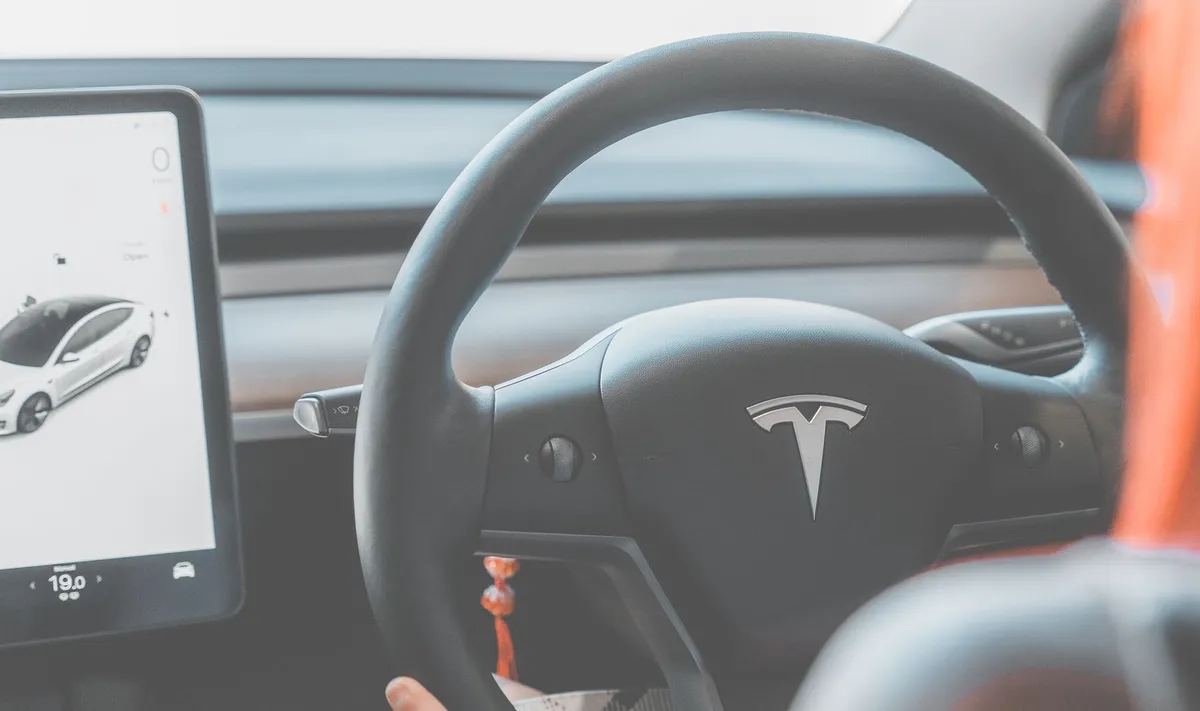
Tesla's Autopilot system is designed to assist drivers with steering, acceleration, and braking within their lanes. Meanwhile, the Full Self-Driving feature aims to enable vehicles to recognize and obey traffic signals, change lanes, and navigate complex driving scenarios. However, it is essential to note that both systems are classified as Level 2 automation, meaning they still require the driver to maintain active control of the vehicle. Tesla has repeatedly emphasized that drivers must keep their hands on the wheel and remain attentive at all times while using these features.
The Rise of Misuse Cases
Despite these clear warnings, many Tesla owners have been documented engaging in risky behavior, including taking their hands off the wheel for extended periods or even falling asleep. The troubling videos circulating online have prompted concerns about how users interpret the capabilities of these systems. According to Representative Krishnamoorthi, the NHTSA must investigate whether Tesla's safety measures are adequate, particularly when it comes to detecting driver engagement under varying conditions.
Regulatory Landscape: NHTSA’s Role and Recent Investigations
The NHTSA has been increasingly scrutinizing Tesla's FSD and Autopilot technologies, launching several investigations into the systems' behavior under real-world conditions. In 2023, Tesla recalled approximately 2 million vehicles to implement enhancements designed to ensure driver attentiveness during the use of Autopilot. This recall was a direct response to concerns about drivers misusing the technology, which can lead to dangerous situations on the road.
In March 2023, the NHTSA escalated its investigation into 3.2 million Teslas equipped with Full Self-Driving due to concerns that the system may fail to detect issues and alert drivers appropriately, particularly in low visibility scenarios. Meanwhile, a separate inquiry was opened into 2.9 million Tesla vehicles related to over 50 reports of traffic safety violations associated with the FSD system.
Public Safety Implications
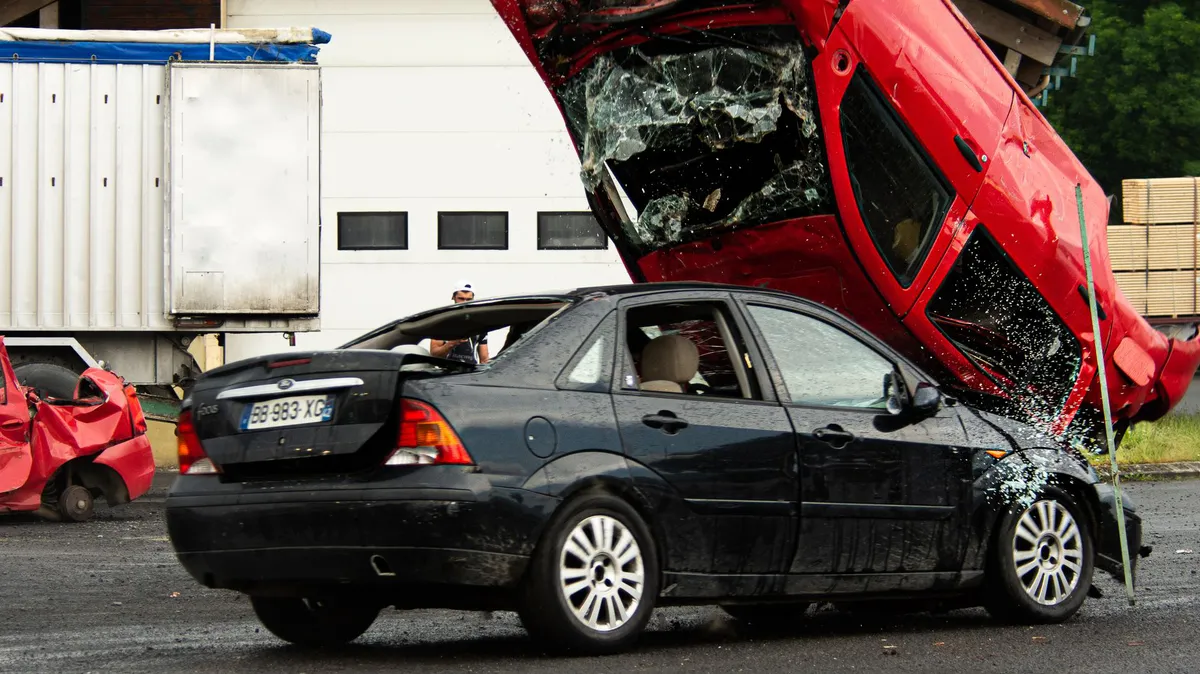
The potential dangers of inattentive driving cannot be overstated. According to the NHTSA, FSD and Autopilot have been linked to instances of vehicles behaving erratically, leading to traffic violations and even crashes. As technology evolves, it is crucial for manufacturers like Tesla to prioritize safety and transparency in their systems. The public must understand that while these technologies offer a glimpse into the future of transportation, they still necessitate responsible usage from drivers.
What Tesla Drivers Need to Know
For current and prospective Tesla owners, understanding the limitations and responsibilities associated with Autopilot and FSD is vital. Here are several key points to consider:
- Active Driver Engagement: Both systems require drivers to remain engaged and attentive. It is essential to keep your hands on the wheel and be prepared to take control at any moment.
- Understanding System Limitations: Familiarize yourself with the capabilities and limitations of Autopilot and FSD. These systems are designed to assist, not replace, human drivers.
- Awareness of Legal and Safety Regulations: Stay informed about any changes in regulations or safety standards related to autonomous driving technologies. Compliance with these regulations is crucial for safe driving.
- Reporting Safety Concerns: If you witness unsafe driving behavior or have concerns about the functionality of Tesla's systems, report these issues to the appropriate authorities.
Key Takeaways
- Growing reports of Tesla drivers sleeping while using Autopilot raise significant safety concerns.
- The NHTSA is actively investigating the safety and functionality of Tesla's autonomous driving systems.
- Tesla drivers must remain engaged and aware of the limitations of Autopilot and Full Self-Driving features.
- Public understanding and regulatory oversight are crucial in ensuring the safe integration of autonomous technologies on roads.
Frequently Asked Questions
What actions is the NHTSA considering regarding Tesla's Autopilot?
The NHTSA is currently investigating Tesla's Autopilot and Full Self-Driving systems due to concerns about their safety and effective functionality. This includes reviewing the safeguards that Tesla has in place to ensure that drivers remain engaged while using these systems. The agency's focus is on preventing misuse and ensuring that manufacturers are held accountable for the performance of their technologies on public roads.
How does Tesla's Autopilot differ from Full Self-Driving?
Tesla's Autopilot is primarily an advanced driver-assistance system (ADAS) that aids drivers in steering, braking, and acceleration within lanes, while Full Self-Driving aims to provide a higher level of automation, including navigating intersections and recognizing traffic signals. However, both systems are classified as Level 2 automation, requiring the driver to maintain full control and attention at all times.
What should Tesla owners do if they experience issues with Autopilot?
If Tesla owners encounter issues with Autopilot or Full Self-Driving, it is crucial to report these problems to Tesla's customer service. Additionally, they should document their experiences, including any video evidence of malfunctions or unsafe behavior. Such reports can contribute to ongoing investigations by the NHTSA and improve the safety of these systems.
Are there penalties for misusing Tesla's Autopilot system?
While there are no specific penalties at the federal level solely for misusing Tesla's Autopilot, drivers can face legal consequences if their actions lead to traffic violations or accidents. Misusing these systems could result in fines, insurance penalties, or liability in the event of an accident. It is imperative for drivers to adhere to safety guidelines and remain engaged while operating their vehicles.
Comments
Popular in Car Insurance
- Consumer Sues GEICO and LexisNexis Over Identity Theft Claims Data Error
- Addressing Self-Driving Cars' Interference with Emergency Services
- Florida Court Reverses PIP Ruling, Favoring State Farm in Key Dispute
- NHTSA Investigates Nearly 1 Million GM Vehicles for Engine Failures
- OpenRoad Insurance Expands Classic Car Coverage to 40 States