Ninth Circuit Asks California Supreme Court to Weigh in on USAA Case
The Ninth Circuit has referred a significant class action case involving USAA's rank-based auto insurance pricing for military members to the California Supreme Court. The outcome could affect nearly 200,000 policyholders and reshape how insurance rates are regulated in the state.
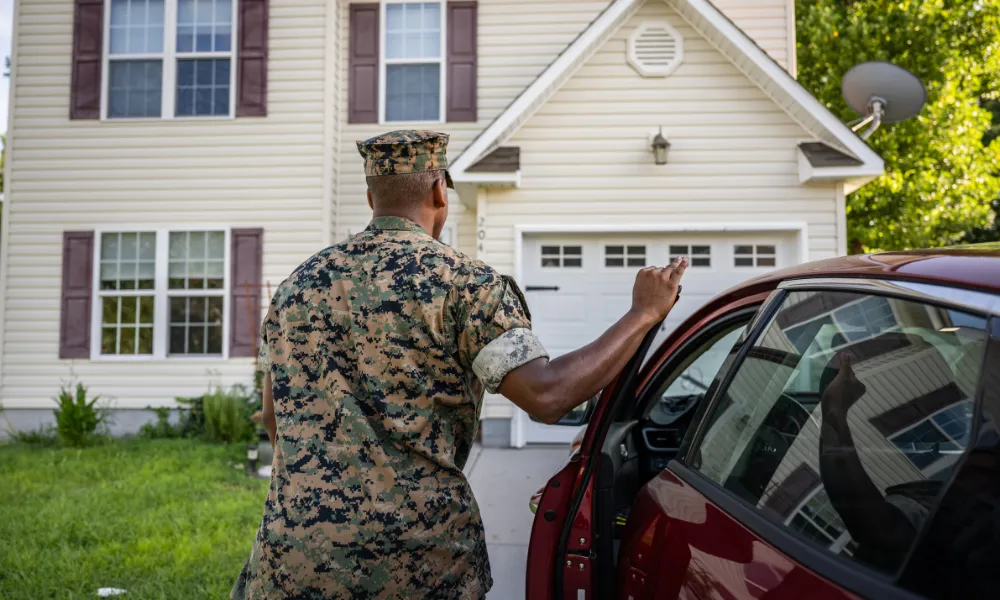
In a significant legal development for military members and their families, the U.S. Court of Appeals for the Ninth Circuit has sought guidance from the California Supreme Court on a contentious class action lawsuit targeting USAA's auto insurance pricing practices. This case, which revolves around how USAA, a company primarily serving military personnel, sorts its policyholders by rank, could potentially impact around 200,000 California policyholders. The Ninth Circuit’s decision to pause the appeal until the state’s highest court provides clarity underscores the complexities of insurance regulation and the rights of consumers under California law.
The heart of the dispute lies in USAA's practice of tiered pricing based on military rank, which has sparked allegations of discrimination against lower-ranking enlisted members. As the case unfolds, it raises critical questions about the balance between regulatory compliance and business practices in the insurance industry.
Understanding the Context: USAA’s Rank-Based Pricing
The USAA group, known for its commitment to serving military members and their families, employs a system that classifies drivers into distinct affiliates based on their military rank. Specifically, higher-ranking servicemembers, including officers and enlisted members in pay grades E-7 and above, are insured through United Services Automobile Association. Conversely, lower-ranking enlisted members in pay grades E-6 and below are covered by USAA General Indemnity Company.
The Financial Implications for Policyholders
The differentiation in coverage comes with significant financial implications. According to the Ninth Circuit’s order, the United Services affiliate offers more substantial “good driver” discounts compared to those available from USAA General Indemnity. This discrepancy has led to claims from current and former enlisted members, who argue that they are unfairly excluded from lower rates available to their higher-ranking counterparts.
- 200,000 California policyholders potentially affected by the dispute.
- Higher-ranking members receive better discounts than lower-ranking members.
- The case may influence insurance pricing practices across the state.
The Legal Framework: California Insurance Code
At the core of this dispute are two conflicting provisions within the California Insurance Code. Section 1861.16(b) mandates that insurers under common ownership must provide a “good driver” policy at the lowest rate available within their group. This provision was introduced as part of Proposition 103 in 1988, aimed at preventing companies from steering eligible drivers to more expensive affiliates.
On the other hand, Section 11628(f)(1) permits insurers to limit coverage specifically to military members and segments of the military. USAA's argument hinges on this latter provision, asserting that it exempts them from the lowest-rate requirement, allowing each affiliate to cater exclusively to certain ranks within the armed forces.
Judicial Interpretations and Their Consequences
The conflicting interpretations of these provisions have resulted in a divided legal landscape. Two federal district judges have provided opposing rulings on USAA’s attempts to dismiss the case. One judge denied the dismissal, indicating potential violations of the Insurance Code, while another granted summary judgment for USAA, concluding that the company did not need to comply with the lowest-rate rule.
This split in judicial opinion has prompted the Ninth Circuit to seek clarification from the California Supreme Court. The outcome of this clarification could have far-reaching implications, not only for the USAA case but also for the broader insurance industry, particularly concerning how discounts are applied and what constitutes fair pricing.

The Broader Implications: Potential Changes in Insurance Regulation
The second question certified by the Ninth Circuit addresses whether the two Insurance Code sections create a “filed-rate doctrine.” This doctrine, if applicable, could prohibit consumers from suing over rates that have already received regulatory approval. The panel noted that California’s appellate courts have been inconsistent in their interpretations of whether such a doctrine exists within the insurance context, and the state Supreme Court has yet to provide a definitive ruling.
If the court recognizes a filed-rate doctrine, it could shield insurers from certain liability claims, fundamentally altering the landscape of consumer protection in insurance. For policyholders, this could mean that challenges to rates based on perceived unfairness might not be actionable if the rates have been previously approved by a regulator.
Potential Outcomes and Consumer Rights
The Ninth Circuit's request for guidance does not determine the merits of the case; rather, it freezes the appeal until California's Supreme Court responds. This means that the questions of whether USAA's rank-based pricing violates California law and whether policyholders are entitled to refunds remain unresolved. However, the implications of the court’s eventual ruling could have significant consequences for both USAA and its policyholders.
For consumers, particularly the affected military members, staying informed about the case's developments is crucial. If the court rules in favor of the plaintiffs, it could lead to not only refunds for the affected policyholders but also a reevaluation of how USAA and potentially other insurers classify and price their policies based on rank or other arbitrary factors.

What Policyholders Should Do
For current or former USAA policyholders in California, it is essential to understand your rights and the potential implications of this case. Here are some steps you can take:
- Stay Informed: Keep track of updates related to the case and the California Supreme Court’s response.
- Review Your Policy: Understand the specifics of your coverage and how your rates are determined.
- Consult Legal Advice: If you believe you may be entitled to a refund or have been unfairly charged, consider consulting with a lawyer who specializes in insurance law.
As this case progresses, it may serve as a critical turning point not only for USAA but for the insurance industry at large, particularly in how it handles pricing for military members.

Key Takeaways
- The Ninth Circuit has paused its appeal on USAA's pricing case pending guidance from California's Supreme Court.
- The dispute centers on USAA's rank-based pricing system for military members, affecting approximately 200,000 policyholders.
- The case raises critical questions about compliance with California’s Insurance Code and consumer rights.
- A ruling could establish important precedents regarding filed-rate doctrines in insurance.
Frequently Asked Questions
What is the significance of the Ninth Circuit's request to the California Supreme Court?
The Ninth Circuit's request for clarification is significant because it addresses legal ambiguities surrounding USAA's rank-based pricing practices. The outcome could determine whether USAA's pricing structure violates California law and has broader implications for how insurance rates are regulated for military members and potentially other consumer groups.
Who can be affected by the outcome of this case?
Approximately 200,000 current and former USAA policyholders in California could be directly affected by the case, particularly lower-ranking enlisted members who may feel disadvantaged by the current pricing structure. The ruling could also set a precedent impacting military members across the country who may face similar pricing practices from other insurers.
What should I do if I am a USAA policyholder in California?
If you are a current or former USAA policyholder, it is important to stay informed about the case's developments and understand your rights. Reviewing your policy details, monitoring updates, and consulting with a legal professional if you believe you have been unfairly charged could help you navigate this situation effectively.
How might this case impact the insurance industry as a whole?
The case could have significant implications for the insurance industry, particularly regarding pricing practices based on arbitrary classifications like military rank. Depending on the California Supreme Court's ruling, insurers may need to reevaluate their pricing strategies to ensure compliance with state regulations, which could lead to more equitable pricing practices for consumers.
Comments
Ford Recalls 223,500 Vehicles Due to Fuel Tank Risks
Ford is recalling nearly 224,000 vehicles due to serious fuel tank issues that pose safety risks. This article explores the implications, what owners should know, and the broader context of vehicle recalls.
Related articles
Popular in Car Insurance
- Consumer Sues GEICO and LexisNexis Over Identity Theft Claims Data Error
- Addressing Self-Driving Cars' Interference with Emergency Services
- Florida Court Reverses PIP Ruling, Favoring State Farm in Key Dispute
- NHTSA Investigates Nearly 1 Million GM Vehicles for Engine Failures
- OpenRoad Insurance Expands Classic Car Coverage to 40 States