Misuse of Driver-Assistance Systems: A Growing Threat to Road Safety
A recent survey highlights that human error, particularly the misuse of driver-assistance technologies, poses the most significant risk to road safety. With increasing automation in vehicles, understanding these systems is crucial for both consumers and regulators.
The advent of advanced driver-assistance systems (ADAS) has revolutionized the way we think about driving, presenting both exciting possibilities and significant challenges. While these technologies promise to enhance safety and convenience, a recent survey indicates that their misuse by drivers represents the most pressing threat to road safety. As more vehicles become equipped with sophisticated automation features, understanding how these systems function—and their limitations—has never been more critical.
Conducted by Economist Enterprise, a division of The Economist Group, the survey gathered insights from over 1,000 transport specialists spanning various sectors, including policy, infrastructure, manufacturing, and technology. The findings reveal a growing consensus that human error, particularly in misunderstanding or misusing these advanced systems, is the primary driver of safety issues on the roads.
The Scope of the Problem
According to the survey results, an alarming 30% of transportation professionals identified human misunderstanding or misuse of driving assistance technologies as the leading cause of mobility safety issues. This statistic sheds light on the critical need for proper education and communication regarding these systems' capabilities and limitations.
Rising Distractions Inside Vehicles
In addition to misuse, the survey pointed to another significant concern: the distraction caused by in-vehicle features. Approximately 24% of respondents indicated that increasingly distracting technologies contribute to road safety risks. As automakers integrate more infotainment and connectivity features, the potential for driver distraction grows, further complicating the landscape of road safety.

Regulatory Reactions and International Concerns
The survey results come at a time when regulatory bodies across the globe are grappling with how best to manage the rise of automated driving systems. In the United States, concerns have been raised about the capabilities of systems like Ford's BlueCruise and Tesla's Full Self-Driving (FSD), which is seeking approval for wider rollout in Europe. Industry experts emphasize the urgent need for clear regulations and guidelines that govern the use of these technologies.
Global Perspectives and Responses
In China, for instance, regulators are contemplating stricter oversight in the wake of a fatal crash involving a Xiaomi vehicle equipped with advanced driver-assistance technology. This tragic incident underscores the pressing need for comprehensive regulations to ensure the safe deployment of such technologies. Meanwhile, in Europe, the Swedish transport authority has recommended voting against the rollout of Tesla's supervised self-driving software unless the company disables its ability to exceed legal speed limits. This highlights a growing recognition of the need for stringent oversight in the face of evolving automotive technologies.
Public Sentiment and Support for Stricter Regulations
Interestingly, the survey also polled over 5,000 road users, revealing that an overwhelming 88% of respondents support tougher road safety measures. This public sentiment aligns with the call for stricter regulations on driver-assistance technologies, as many individuals recognize the potential dangers associated with misuse and misunderstanding of these systems.

Implications for Automakers and Consumers
The findings of this survey have significant implications for both automakers and consumers. For manufacturers, there is an urgent need to ensure that their marketing communications accurately represent the capabilities of driver-assistance systems. A troubling two-thirds of survey respondents believed that advertising overstated these technologies' abilities, creating unrealistic expectations among consumers. This disconnect between perception and reality can lead to dangerous situations on the road.
Empowering Consumers with Knowledge
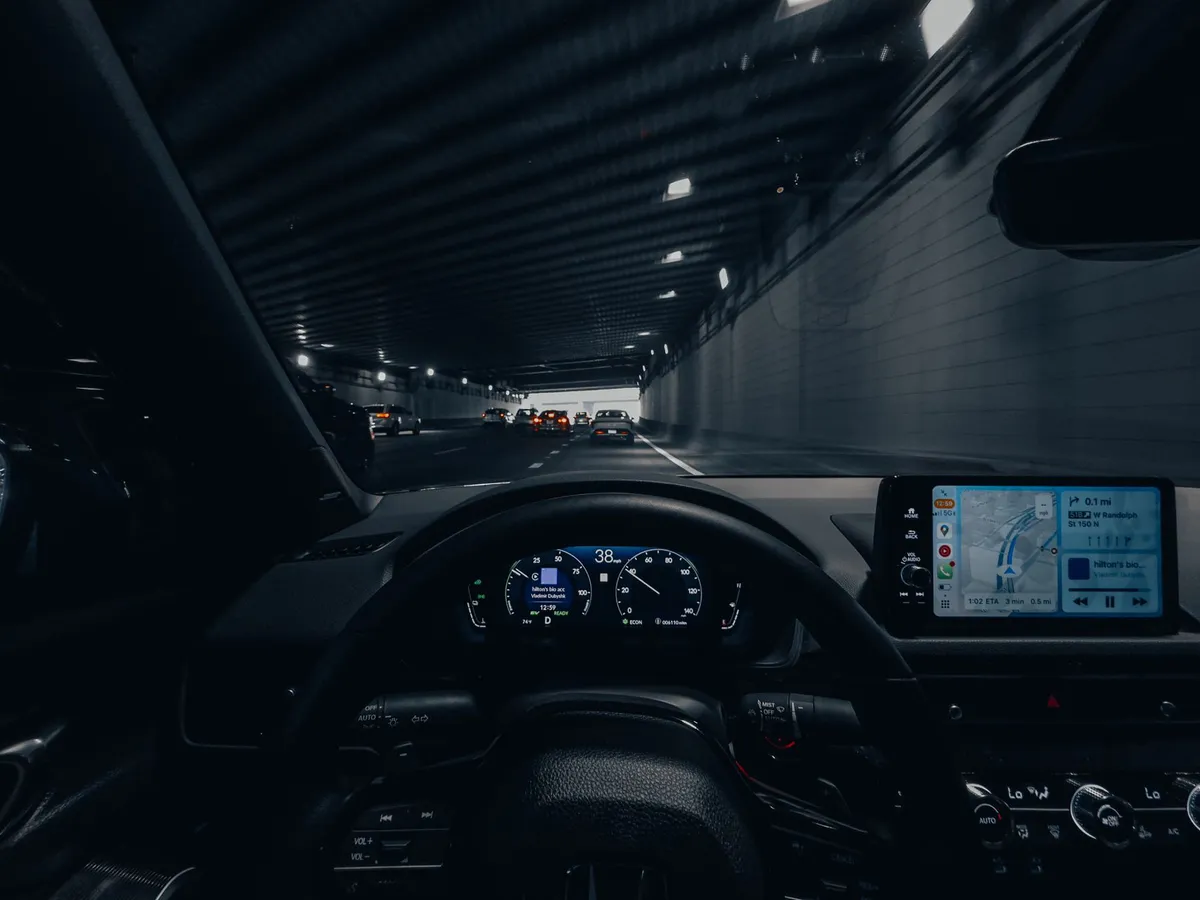
For consumers, understanding the limitations of driver-assistance technologies is paramount. While these systems can enhance safety and convenience, they are not substitutes for attentive driving. As features like lane-keeping assistance and adaptive cruise control become more common, drivers must remain engaged and aware of their surroundings. Educating oneself about the functionality of these systems—through manufacturer resources, user manuals, and training programs—can empower drivers to make informed decisions and reduce the risk of accidents.
Key Takeaways
- Human error is a leading cause of safety issues—30% of transport specialists attribute it to misuse of driver-assistance systems.
- Distractions from in-vehicle features account for 24% of concerns regarding road safety.
- Public support for tougher road safety measures is strong, with 88% advocating for stricter regulations.
- Manufacturers must ensure their marketing accurately reflects technology capabilities to avoid misleading consumers.
- Consumer education is essential to mitigate risks associated with driver-assistance systems.
Frequently Asked Questions
What are driver-assistance systems?
Driver-assistance systems are advanced technologies designed to enhance vehicle safety and assist drivers in various aspects of driving. These systems may include features like adaptive cruise control, lane-keeping assistance, automated parking, and collision avoidance systems. While they can help reduce the likelihood of accidents, they are not a substitute for attentive driving.
How can I ensure I use driver-assistance systems safely?
To use driver-assistance systems safely, it's crucial to understand their functionalities and limitations. Familiarize yourself with the features in your vehicle by consulting the owner’s manual and participating in any training offered by the manufacturer. Always remain vigilant and ready to take control of the vehicle, even when these systems are engaged. Remember that these technologies are designed to assist, not replace, human judgment.
What are the potential consequences of misusing these systems?
Misusing driver-assistance systems can lead to serious consequences, including accidents, injuries, and fatalities. If drivers engage in behaviors such as relying too heavily on these technologies or becoming distracted by in-car features, they may fail to react promptly to changing road conditions, which could result in dangerous situations on the road.
Are there any regulations governing driver-assistance technologies?
Regulations surrounding driver-assistance technologies vary by country and region. In the U.S., discussions are ongoing regarding the need for clearer guidelines and standards to ensure the safe deployment of these systems. Other countries, like China and Sweden, are also considering tighter regulations following incidents involving automated driving technologies. As the landscape evolves, regulatory bodies are increasingly focused on balancing innovation with safety.
Comments
Ohio Court Ruling Clarifies Sales Tax on Totaled Car Insurance Payouts
An Ohio appeals court has ruled that Farmers Insurance is not required to include sales tax in payouts for totaled cars, clarifying insurance policy language and state law. This ruling has significant implications for policyholders and the insurance industry in Ohio.

Related articles
Popular in Car Insurance
- Consumer Sues GEICO and LexisNexis Over Identity Theft Claims Data Error
- Addressing Self-Driving Cars' Interference with Emergency Services
- Florida Court Reverses PIP Ruling, Favoring State Farm in Key Dispute
- NHTSA Investigates Nearly 1 Million GM Vehicles for Engine Failures
- OpenRoad Insurance Expands Classic Car Coverage to 40 States