Regulatory Push for Autonomous Vehicle Safety: What You Need to Know
The U.S. government is implementing new safety rules for autonomous vehicles to improve their road performance and address safety concerns. This article explores the implications for manufacturers, consumers, and the future of self-driving technology.
The realm of autonomous vehicles has been touted as a revolutionary advancement in transportation, promising to reduce traffic accidents, enhance mobility, and reshape urban landscapes. However, the reality of self-driving technology has been marred by a series of safety incidents, prompting the U.S. government to step in with new regulatory measures. As the Trump administration seeks to finalize these rules, their impact on manufacturers, consumers, and the future of self-driving cars is profound.
Recent events have underscored the urgent need for comprehensive safety standards in the autonomous vehicle sector. The National Highway Traffic Safety Administration (NHTSA), led by Jonathan Morrison, is prioritizing the establishment of objective safety requirements that ensure manufacturers can confidently determine their vehicles' compliance. With self-driving cars still struggling to navigate complex situations that human drivers often handle with ease, this regulatory push is both timely and necessary.
The Rise of Autonomous Vehicles and Safety Concerns
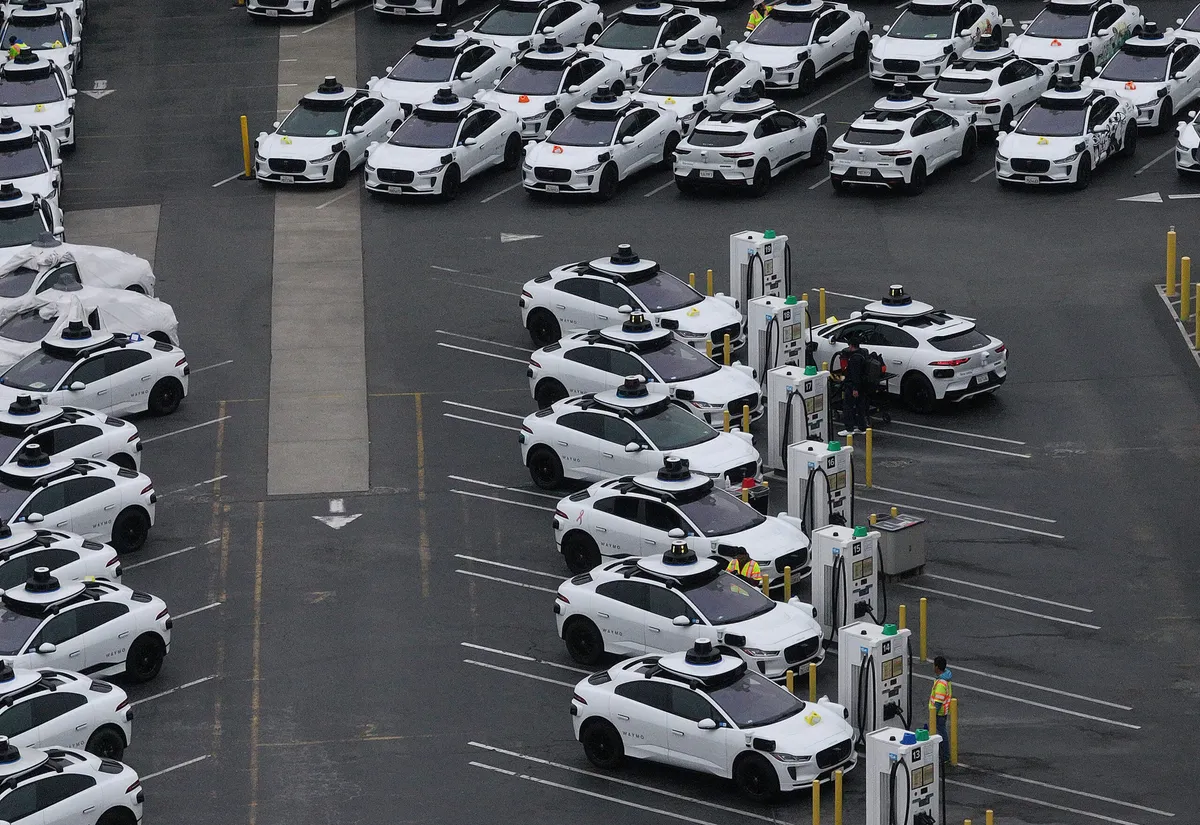
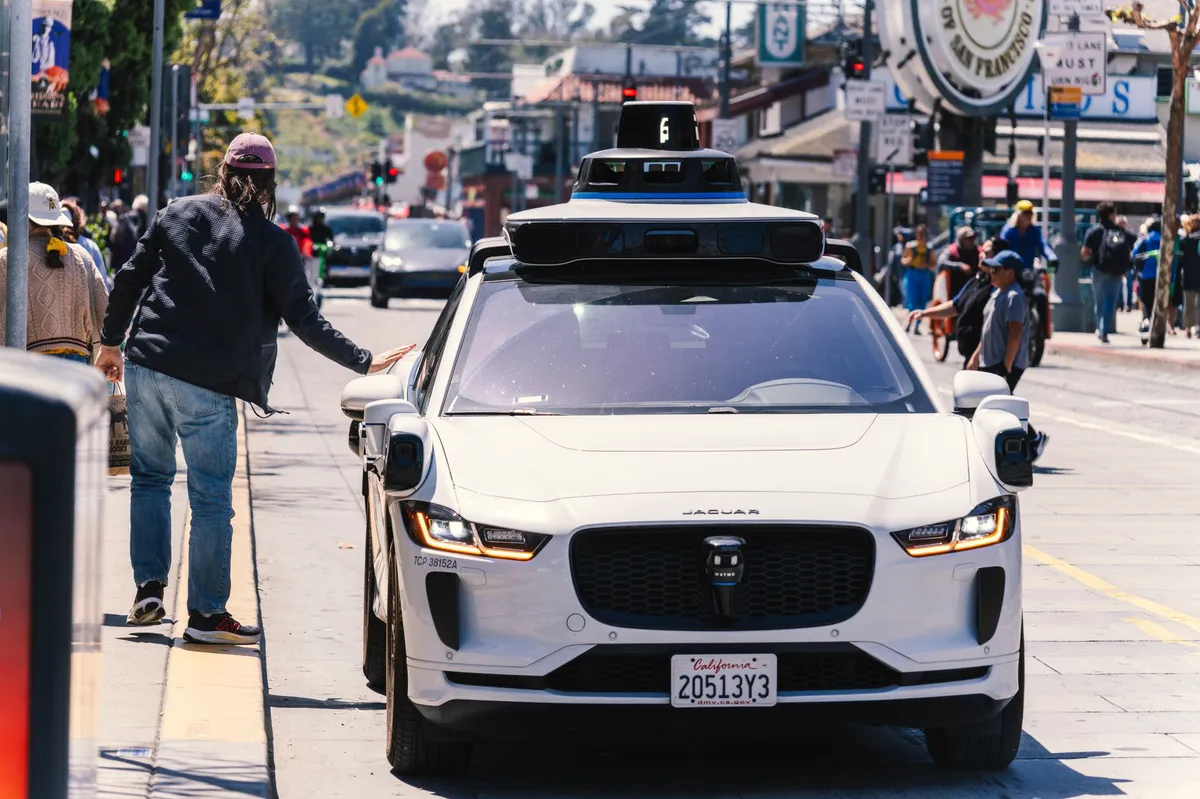
Autonomous vehicles have made significant strides in technology and public acceptance, yet their track record raises serious questions about safety. Incidents involving companies like Waymo and Tesla highlight the challenges faced by these vehicles in real-world scenarios. Waymo recently had to recall thousands of its robotaxi vehicles due to unsafe operation in construction zones, as well as failures to stop for school buses. Such occurrences have not only generated negative press but also raised concerns among consumers and regulators alike about the feasibility of fully autonomous driving.
Real-World Challenges for Self-Driving Cars
Self-driving technology encounters numerous challenges, including:
- Complex Traffic Situations: Autonomous vehicles often struggle with scenarios that require nuanced decision-making, such as merging into busy traffic or yielding to pedestrians.
- Emergency Response Interference: The NHTSA has noted instances where self-driving cars have interfered with emergency vehicles, raising alarm over their operational reliability in critical situations.
- Public Perception: High-profile accidents involving autonomous vehicles can sway public opinion against the technology, which is crucial for its acceptance and integration into everyday life.
NHTSA's Proposed Safety Regulations
In response to these challenges, NHTSA is actively working to establish new safety requirements tailored specifically to autonomous vehicles. This effort involves gathering input from industry stakeholders and the public to define “behavioral competencies” for self-driving cars. Morrison emphasized the need for tests that objectively measure performance, ensuring manufacturers can verify compliance with safety standards.
Key Focus Areas of the New Regulations
The new regulations will likely focus on several key areas:
- Behavioral Competencies: Establishing clear performance metrics that autonomous vehicles must meet in various driving conditions.
- Design Flexibility: Removing outdated requirements that pertain to human-operated vehicles, such as the necessity for manual brake pedals and mirrors, which may not be applicable for fully autonomous models.
- Emergency Response Protocols: Creating guidelines to ensure that autonomous vehicles can safely operate near emergency responders and do not obstruct their operations.

Implications for Manufacturers and Consumers
The proposed regulations will significantly impact both manufacturers and consumers. For manufacturers, the ability to design vehicles without the constraints of traditional human-operated vehicle requirements could lead to innovation and cost savings. For instance, Tesla's plans for its Cybercab, a fully autonomous robotaxi, hinge on the removal of the manual brake requirement, aligning with their vision for a hands-free experience.
For consumers, the establishment of clear safety standards can enhance confidence in autonomous technology. As these regulations are finalized and implemented, consumers may feel more secure about the safety of riding in self-driving vehicles, potentially leading to broader acceptance and integration of this technology into daily life.

The Road Ahead for Autonomous Vehicles
The path to widespread adoption of autonomous vehicles is complex and fraught with challenges, but proactive regulatory measures could facilitate a smoother transition. By addressing safety concerns head-on, the NHTSA aims to foster an environment where self-driving technology can thrive. However, the success of these initiatives will depend on ongoing collaboration between regulators, manufacturers, and the public.
Future Considerations
As the landscape of transportation evolves, several factors will shape the future of autonomous vehicles:
- Technological Advancements: Continued innovation in AI and machine learning will enhance the capabilities of autonomous vehicles, making them safer and more efficient.
- Public Policy: Ongoing adjustments to regulations will be necessary to keep pace with technological advancements and address new challenges as they arise.
- Consumer Education: Efforts to educate the public about the benefits and safety of autonomous technology will be crucial for fostering acceptance and trust.
Key Takeaways
- The U.S. government is implementing new safety regulations for autonomous vehicles to address safety concerns.
- NHTSA aims to establish objective performance metrics and remove outdated design requirements for self-driving cars.
- Manufacturers stand to benefit from design flexibility, while consumers may gain increased confidence in autonomous technology.
- The successful integration of autonomous vehicles will depend on collaboration between regulators, manufacturers, and the public.
Frequently Asked Questions
What are the main goals of the NHTSA's new regulations for autonomous vehicles?
The primary goals of the NHTSA's new regulations include establishing clear and objective safety standards for autonomous vehicles, addressing real-world operational challenges, and removing outdated requirements that pertain to human-operated vehicles. By focusing on these areas, the NHTSA aims to enhance the safety and reliability of self-driving technology.
How will these regulations impact the design of autonomous vehicles?
The new regulations are expected to allow manufacturers greater design flexibility by removing requirements such as manual brake pedals and mirrors, which are unnecessary for vehicles designed to operate without human drivers. This flexibility could lead to innovative designs that are optimized for autonomous operation.
What should consumers know about riding in autonomous vehicles?
As safety standards are established and implemented, consumers can expect increased confidence in the safety of autonomous vehicles. Understanding the capabilities and limitations of this technology will be crucial for consumers as they consider utilizing self-driving services in the future. Staying informed about regulatory changes and manufacturer commitments to safety will also help consumers make educated choices.
What role do manufacturers play in ensuring the safety of autonomous vehicles?
Manufacturers play a critical role in ensuring the safety of autonomous vehicles by adhering to the new regulatory standards set forth by the NHTSA. They must invest in technology that meets these standards, conduct rigorous testing to verify compliance, and remain transparent with consumers about the safety features and limitations of their vehicles. Collaboration with regulators and industry stakeholders is also essential for fostering a safe and reliable autonomous vehicle ecosystem.
Comments
Progressive Reports Growth Amid Softening Underwriting Margins
In its latest quarterly results, Progressive Corporation reveals a notable rise in premiums, driven by policy growth despite challenges in underwriting margins. This feature explores the implications for consumers and the broader insurance market.
Related articles
Popular in Car Insurance
- Consumer Sues GEICO and LexisNexis Over Identity Theft Claims Data Error
- Addressing Self-Driving Cars' Interference with Emergency Services
- Florida Court Reverses PIP Ruling, Favoring State Farm in Key Dispute
- NHTSA Investigates Nearly 1 Million GM Vehicles for Engine Failures
- OpenRoad Insurance Expands Classic Car Coverage to 40 States