The Hidden Costs of Speeding: Why Slower Driving Saves Time and Money
New research reveals that speeding costs drivers more in fuel and emissions while saving minimal time. Understanding these dynamics can lead to smarter driving habits and significant savings.

In the hustle and bustle of daily life, many drivers believe that pushing the pedal to the metal will get them to their destinations faster. However, a recent study from the University of Minnesota uncovers a surprising truth: speeding doesn’t save much time and can cost you significant amounts of money at the gas pump. As gas prices remain elevated, particularly in the summer months, it’s essential to understand the financial and environmental impacts of speeding.
The study, published in the journal Communications Sustainability, analyzed data from 120 million vehicle trips across the United States, focusing on driving behaviors, speed limits, and their corresponding fuel consumption. The findings suggest that by adhering to posted speed limits, U.S. drivers could collectively save millions of dollars and drastically reduce carbon emissions. In a time when fuel efficiency and environmental consciousness are paramount, this research highlights the need for a shift in driving habits.
The Financial Impact of Speeding
Driving faster than the speed limit not only increases fuel consumption but also heightens emissions from your vehicle. The University of Minnesota researchers found that more than 43% of trips analyzed included instances of speeding, with drivers exceeding speed limits for nearly 12% of their travel time. The study suggests that if these drivers adhered to speed limits, they could save an average of $22 million in fuel costs each day, alongside cutting down 6.7 million gallons of fuel and 57,000 metric tonnes of CO2 emissions.
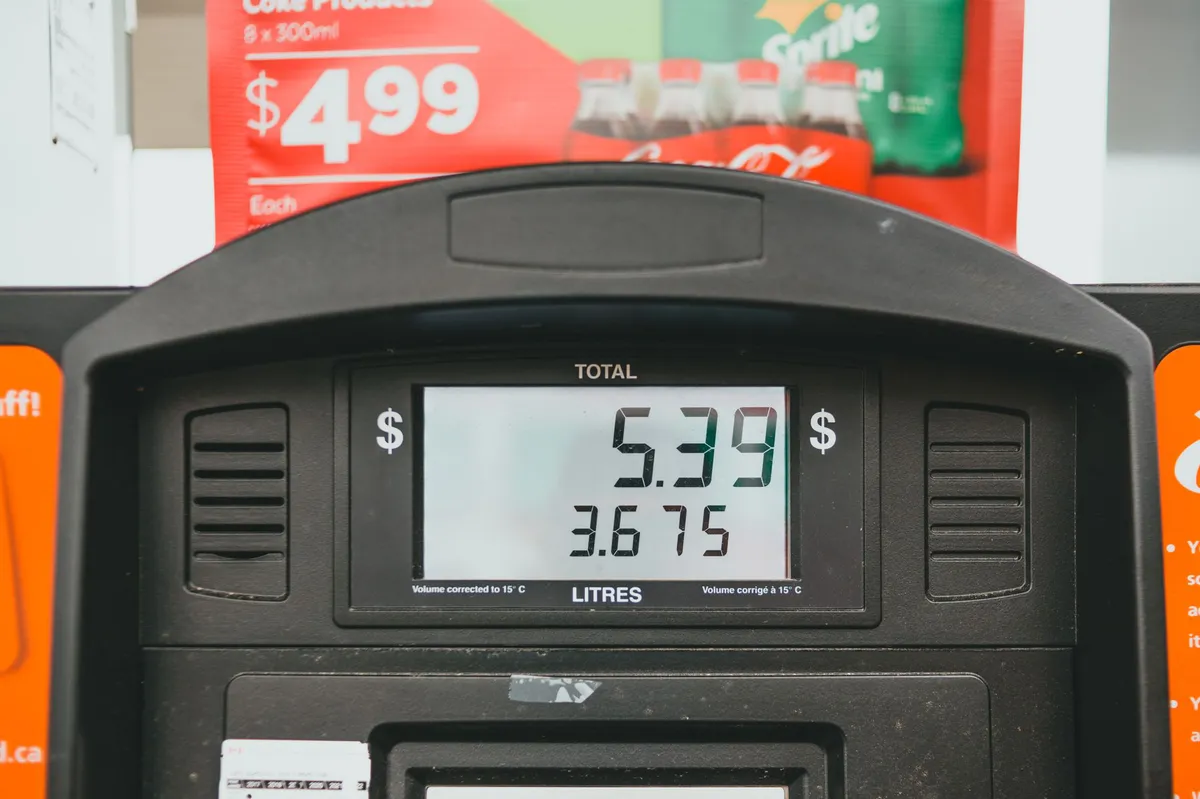
To put this into perspective, these savings are comparable to removing approximately 5.5 million cars from the roads. This figure is particularly striking given the current context of rising fuel prices, driven by geopolitical tensions and fluctuating oil markets, which have caused prices to soar above $4 per gallon in recent months.
Speeding and Time Savings: The Myth
Many drivers believe that speeding is a necessary evil to save time. However, the research indicates that the time saved is minimal. The average American driver travels about 28.6 miles daily. By speeding, they might cut their commute time by less than a minute—approximately 54 seconds. William Northrop, a mechanical engineering professor and co-author of the study, emphasizes that if your goal is to get to your destination safely and efficiently, then driving at or below the speed limit is the smarter choice.
This finding raises questions about the common perception of time management in driving. Drivers often prioritize perceived time savings over fuel efficiency and safety, leading to a dangerous cycle of speeding. Understanding the negligible time savings could be a game-changer for how we approach driving.
Environmental Considerations
The environmental implications of speeding extend far beyond individual drivers. Higher speeds increase fuel consumption and emissions, contributing to climate change and air quality issues. The study's findings underscore that slowing down can have a meaningful impact on carbon emissions, which is crucial as cities and states strive to meet climate goals.
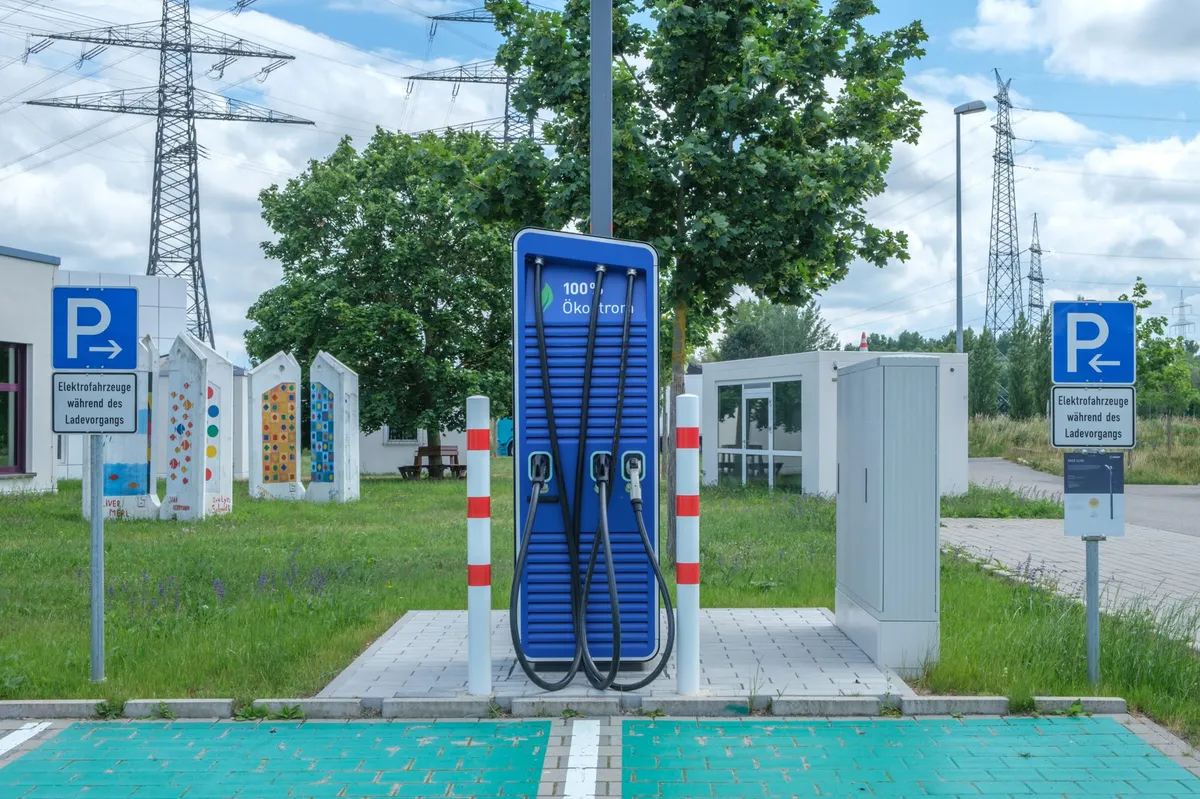
Interestingly, the research also evaluated the energy efficiency of electric vehicles (EVs) in California, finding that driving slower benefits electric cars too. With EV adoption steadily rising, this research serves as a reminder that all drivers—whether in traditional internal combustion engine vehicles or electric ones—can do their part to reduce their carbon footprint.
State-by-State Driving Patterns
The study also revealed significant regional disparities in speeding behavior across the United States. For instance, states like Nevada exhibited high rates of both speeding prevalence and speed excess, while Montana and Wyoming had lower instances of speeding. This variance highlights the need for tailored approaches to traffic safety and fuel efficiency based on regional driving patterns.
- Nevada: High speeding prevalence and excess speed.
- Florida, Georgia, North Carolina: High speeding prevalence, but not necessarily high speed excess.
- Montana, Wyoming, Idaho, South Dakota: Low speeding prevalence and speed excess.
Understanding these patterns can help local governments implement more effective traffic management strategies and public awareness campaigns to promote safe driving habits.
Practical Tips for Drivers
- Adhere to Speed Limits: It may seem trivial, but following posted speed limits can lead to significant savings in fuel costs and emissions.
- Plan Your Routes: Using navigation apps to choose the most efficient route can help reduce overall travel distance and time.
- Maintain Your Vehicle: Regularly servicing your car improves its efficiency, ensuring you get the best fuel economy.
- Reduce Unnecessary Weight: Removing excess cargo from your vehicle can improve fuel efficiency.
- Consider Driving an EV: If feasible, transitioning to an electric vehicle can further reduce emissions and fuel costs.
Key Takeaways
- Speeding costs U.S. drivers approximately $22 million daily in fuel.
- Adhering to speed limits can save nearly 6.7 million gallons of fuel each day.
- Speeding saves less than a minute on average per day, questioning its necessity.
- Driving slower benefits both internal combustion and electric vehicles.
- Regional driving patterns highlight the need for tailored traffic management strategies.
Frequently Asked Questions
How does speeding impact fuel efficiency?
Speeding significantly increases fuel consumption and emissions. As speed increases, vehicles typically require more fuel to maintain higher speeds, resulting in decreased efficiency. The research indicates that by adhering to speed limits, drivers can not only save money on fuel but also lower their carbon footprint.
What are some effective ways to improve fuel efficiency while driving?
Drivers can enhance fuel efficiency by following speed limits, maintaining their vehicles, and planning efficient routes. Additionally, reducing weight in the vehicle and considering an electric vehicle can lead to further savings and reduced emissions.
Do different states have different speeding behaviors?
Yes, the study revealed significant regional differences in speeding behaviors. States like Nevada and Florida have higher incidences of speeding, while others like Montana and South Dakota exhibit lower rates. This variance suggests that local governments may need to tailor their traffic safety and fuel efficiency initiatives based on these behaviors.
Why is this research important for drivers today?
This research is crucial as it highlights the intersection of personal driving habits with broader economic and environmental impacts. With rising fuel prices and growing concerns about climate change, understanding the costs of speeding can motivate drivers to adopt safer, more efficient driving practices that benefit both their wallets and the planet.
Comments
Popular in Car Insurance
- Consumer Sues GEICO and LexisNexis Over Identity Theft Claims Data Error
- Addressing Self-Driving Cars' Interference with Emergency Services
- Florida Court Reverses PIP Ruling, Favoring State Farm in Key Dispute
- NHTSA Investigates Nearly 1 Million GM Vehicles for Engine Failures
- OpenRoad Insurance Expands Classic Car Coverage to 40 States