New Car Door Safety Regulations: A Response to Tragic Incidents
In response to alarming incidents involving Tesla's door mechanisms, U.S. regulators are set to develop new safety standards aimed at preventing occupants from being trapped inside vehicles. This article explores the implications of these changes and what they mean for the automotive industry and consumers.
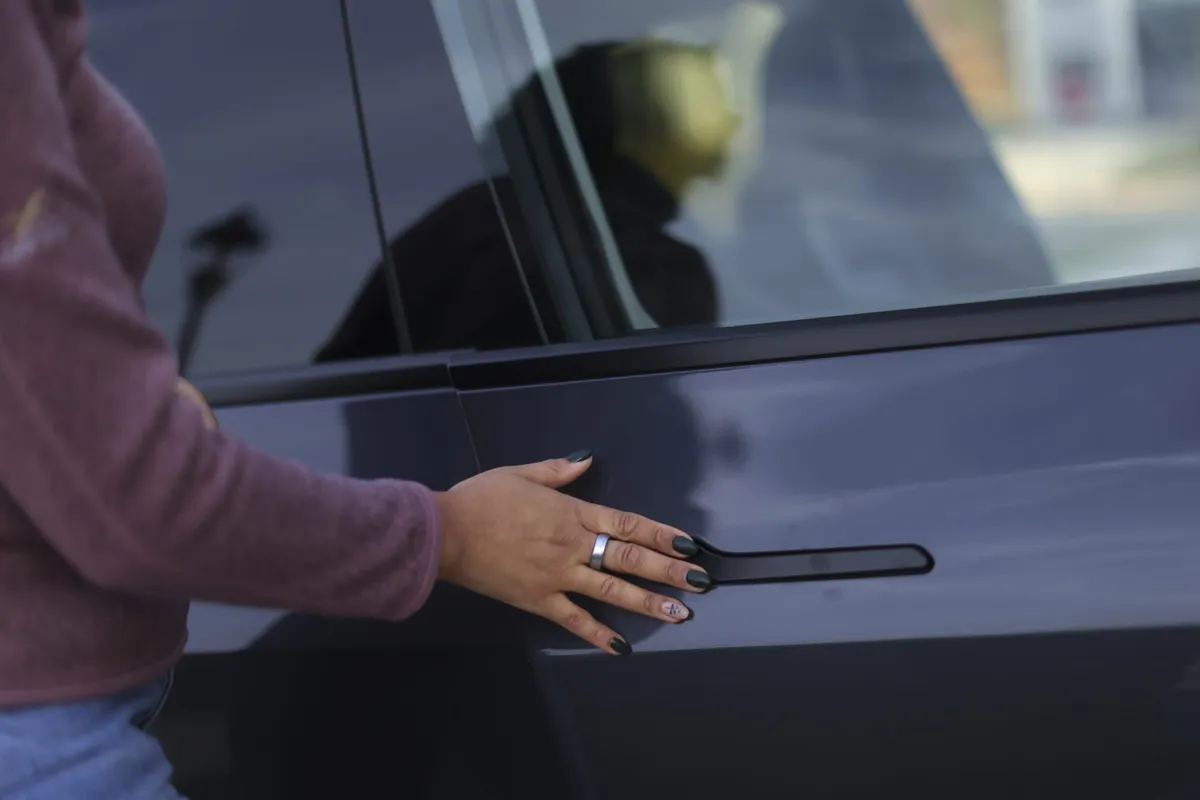
In an effort to enhance vehicle safety and prevent tragic incidents in which occupants are trapped, the U.S. National Highway Traffic Safety Administration (NHTSA) announced plans to develop new federal regulations focused on car door egress systems. This decision comes in the wake of serious safety concerns raised by a series of deadly events involving Tesla vehicles, where occupants found themselves unable to exit their cars following crashes or power failures. As the automotive industry evolves with advanced technology, the need for robust safety measures becomes increasingly critical.
The push for these regulations is primarily driven by petitions from safety advocates and engineers who have highlighted the risks associated with modern car door designs, particularly those that utilize electronic mechanisms. The NHTSA's decision to initiate rulemaking represents a significant step toward addressing what many perceive as a life-threatening gap in vehicle safety standards.
Understanding the Safety Concerns
The catalyst for the NHTSA's new rulemaking process is a troubling pattern of incidents involving Tesla and similar vehicles equipped with flush, electrically operated door handles. Reports indicate that at least 15 fatalities have occurred in a dozen documented cases where individuals could not open the doors of Tesla vehicles after crashes. In some cases, victims survived the initial impact only to face dire consequences due to the inability to escape from vehicles that subsequently caught fire.
The Role of Technology in Safety
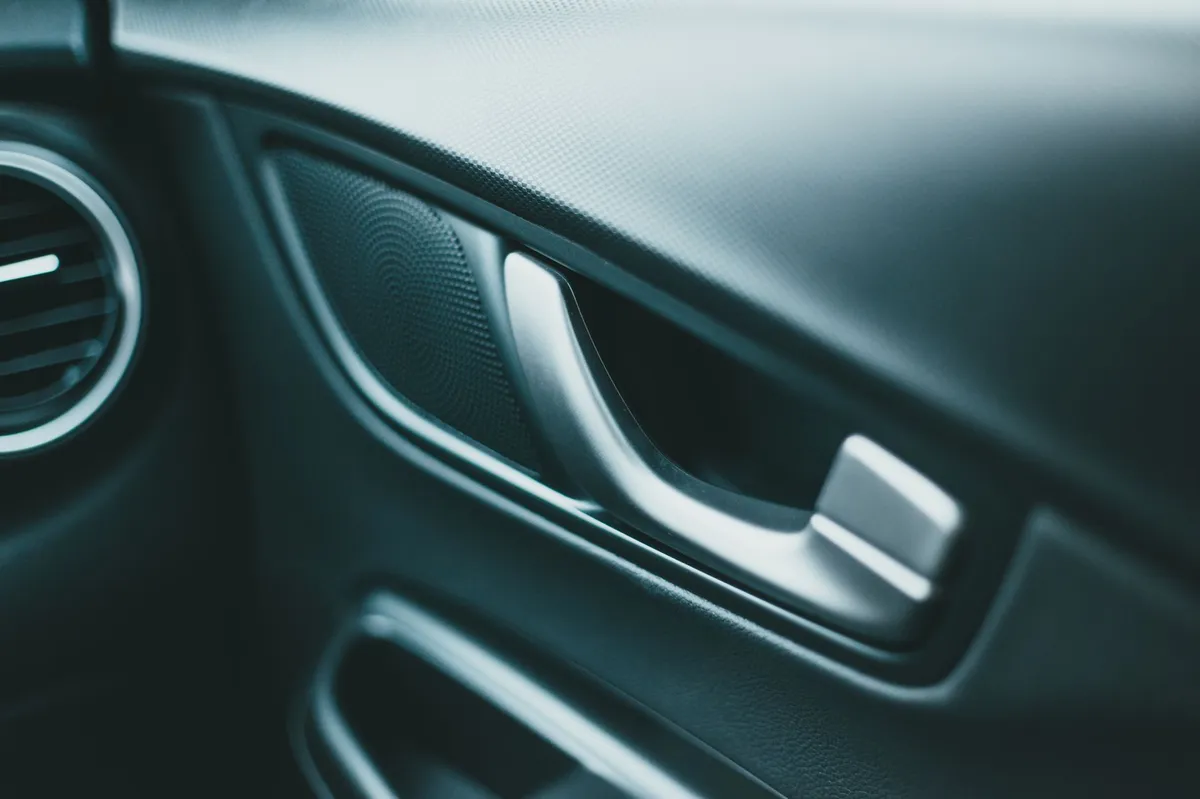
Electric cars have increasingly adopted sleek designs that integrate electronic door handles and latching systems. While these innovations can enhance the aesthetic appeal of vehicles, they also introduce complexities that can endanger occupants during emergencies. In particular, when a vehicle loses power after a collision, traditional manual door mechanisms may fail, leaving passengers trapped inside.
- 15 deaths: Reported fatalities linked to Tesla door failures.
- High-speed crashes: Victims survived impacts but could not escape.
- Electronic handles: Increasingly common but problematic in emergencies.
The Regulatory Landscape and Implications
The regulatory framework surrounding automotive safety is complex and often slow-moving. The NHTSA's announcement marks the beginning of a lengthy rulemaking process, which may take several years to finalize. Industry stakeholders typically respond cautiously to new mandates, voicing concerns regarding the associated costs of compliance. According to Michael Brooks, the executive director of the Center for Auto Safety, even if the rulemaking proceeds quickly, a final compliance deadline for manufacturers may not be established until 2030.
Legislative Actions
In addition to the NHTSA's forthcoming regulations, legislative measures are also being considered. Representative Robin Kelly, a Democrat from Illinois, has introduced a bill that would require manual door release mechanisms in new vehicles. This legislative push underscores the urgency of addressing safety vulnerabilities associated with electric door systems and aims to equip first responders with the means to access trapped individuals in emergency situations.
Industry Reactions and Future Outlook
The automotive industry has experienced significant scrutiny as electric vehicles become more mainstream. As safety concerns continue to mount, manufacturers are likely to face increased pressure to reevaluate their design choices. Tesla, a pioneer in electronic door technologies, has not publicly commented on the NHTSA's decision. However, the company has previously defended the safety of its vehicles against allegations of defects.
Potential Industry Pushback
While safety regulations are necessary to protect consumers, manufacturers often express concerns about the financial implications of compliance. Implementing new safety standards may involve significant costs related to redesigning vehicles, retraining staff, and updating manufacturing processes. As a result, some industry experts predict a potential pushback against these regulations, which could delay their implementation and effectiveness.
Consumer Awareness and Preparedness
The introduction of new regulations regarding car door safety will ultimately affect consumers. As these changes unfold, it is crucial for car buyers to stay informed about safety features, especially in electric vehicles. Knowing the functionality of door systems and the potential risks associated with them can empower consumers to make safer choices.
What Consumers Should Do
In light of these developments, consumers are encouraged to:
- Research vehicle safety ratings and features before making a purchase.
- Understand the mechanisms of door systems in electric vehicles.
- Advocate for safety measures by communicating with lawmakers about vehicle safety standards.

Key Takeaways
- The NHTSA is developing new regulations for car door safety following tragic Tesla incidents.
- At least 15 fatalities have been linked to problems with electronic door mechanisms.
- Legislation is being proposed to mandate manual door releases in new vehicles.
- Implementation of new regulations may take several years and will likely face industry pushback.
Frequently Asked Questions
What prompted the NHTSA to consider new car door safety regulations?
The NHTSA's decision to pursue new regulations was primarily influenced by documented incidents involving Tesla vehicles, where electronic door mechanisms failed during emergencies, resulting in fatalities. Advocates raised concerns about the safety implications of these technologies, highlighting a critical gap in current safety standards that needed to be addressed.
How long will it take for the new regulations to be implemented?
The rulemaking process can be lengthy, often taking several years to finalize. Experts suggest that even if the NHTSA acts swiftly, manufacturers may not be required to comply with any new regulations until 2030. This timeline reflects the complexities and challenges involved in establishing new federal safety standards.
What can consumers do to stay safe in electric vehicles?
Consumers should educate themselves about the safety features of electric vehicles, particularly the types of door mechanisms in use. Understanding how these systems function can help occupants respond effectively in emergencies. Additionally, consumers can advocate for stronger safety standards by staying informed and engaging with policymakers on the importance of vehicle safety.
Will manufacturers face penalties for non-compliance with new regulations?
Once the new regulations are finalized, manufacturers will be expected to comply with the updated safety standards. Failure to do so could result in penalties, including fines or restrictions on vehicle sales. The NHTSA has the authority to enforce compliance and ensure that auto manufacturers prioritize consumer safety in their designs.
Comments
Hybrids Surge as Electric Vehicles Lose Ground in California
In a surprising turn of events, hybrid vehicles are rapidly gaining popularity in California, traditionally a stronghold for electric vehicles (EVs). Factors such as rising gas prices and the end of federal subsidies for EVs have prompted consumers to seek more affordable and versatile options.
Related articles
Popular in Car Insurance
- Consumer Sues GEICO and LexisNexis Over Identity Theft Claims Data Error
- Addressing Self-Driving Cars' Interference with Emergency Services
- Florida Court Reverses PIP Ruling, Favoring State Farm in Key Dispute
- NHTSA Investigates Nearly 1 Million GM Vehicles for Engine Failures
- OpenRoad Insurance Expands Classic Car Coverage to 40 States