Michigan Supreme Court Redefines Child Custody Impact on Auto Insurance Claims
In a landmark decision, the Michigan Supreme Court has redefined the criteria for determining which auto insurer is liable for injury claims involving children of divorced parents. This ruling overturns a previous precedent and emphasizes the importance of actual living arrangements over custody orders.

In a significant shift for auto insurance liability involving children of divorced parents, the Michigan Supreme Court has issued a ruling that fundamentally alters the framework for determining which insurer is responsible for covering injury claims. This decision, rendered on July 22, 2026, overturns a previous ruling from 2013 known as Grange, which had established a rigid approach based predominantly on custody orders. The implications of this ruling extend beyond legal circles, affecting families navigating custody arrangements and the insurance industry as a whole.
The case that sparked this judicial reconsideration began with a tragic incident on January 8, 2020, when a 15-year-old girl was severely injured in a car accident. As a passenger in her father's vehicle, driven by her brother, she was involved in a crash caused by icy conditions. The accident necessitated emergency back surgery, thrusting the family into a complex legal battle over insurance liability. With her parents divorced since 2011, the investigation into the child's living situation became central to determining which auto insurer would be responsible for her medical expenses.

The Previous Framework: The Grange Decision
Under Michigan's no-fault insurance system, the insurer responsible for covering Personal Injury Protection (PIP) benefits—such as medical costs after a crash—is typically the one associated with the household where the injured party is deemed to be
Comments
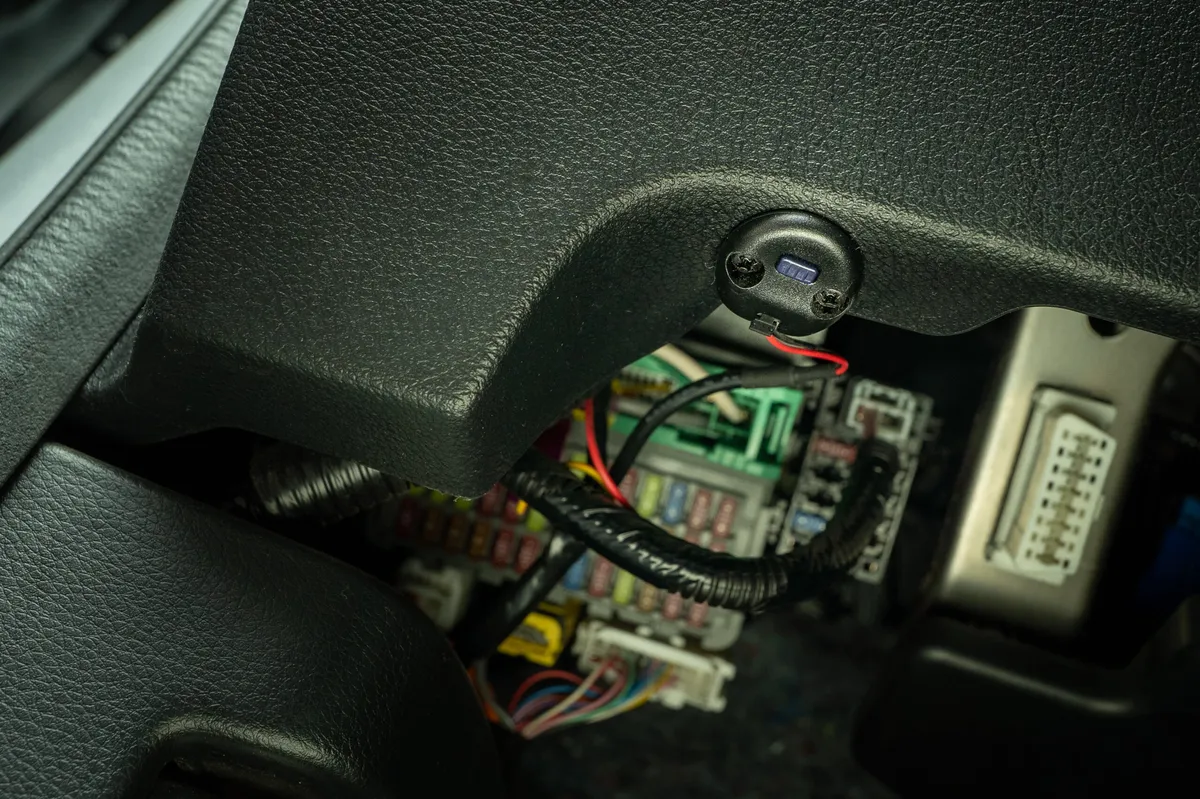
Vulnerability Alert: 2.2 Million Cars at Risk from Bluetooth Anti-Theft Systems
A recent study reveals that over 2 million cars equipped with Bluetooth anti-theft systems are vulnerable to remote hacking, raising concerns for car owners and manufacturers alike.
Related articles

Popular in Car Insurance
- Consumer Sues GEICO and LexisNexis Over Identity Theft Claims Data Error
- Addressing Self-Driving Cars' Interference with Emergency Services
- Florida Court Reverses PIP Ruling, Favoring State Farm in Key Dispute
- NHTSA Investigates Nearly 1 Million GM Vehicles for Engine Failures
- OpenRoad Insurance Expands Classic Car Coverage to 40 States