Florida Policyholder Challenges Progressive Over Underinsured Motorist Claim
A Florida woman is suing Progressive, claiming the insurer refused to pay $132,000 in damages following an arbitration ruling. This case raises critical questions about the binding nature of arbitration in underinsured motorist claims.
In a notable legal battle unfolding in Florida, a policyholder is taking on Progressive Insurance over a significant underinsured motorist claim. The case, filed in the U.S. District Court for the Southern District of Florida, revolves around a tragic accident that resulted in substantial personal injury claims and raises critical questions about the obligations of insurers in arbitration processes. The plaintiff argues that Progressive is liable for a $132,000 shortfall following a binding arbitration ruling that determined her damages to be $200,000, a sum that Progressive has thus far refused to pay.
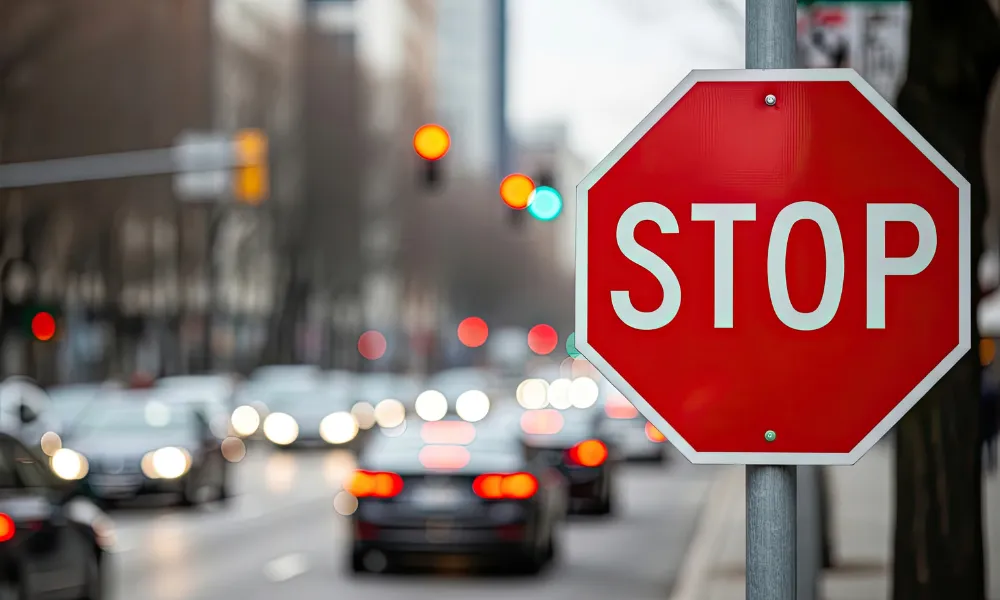
The events leading to this lawsuit began on February 15, 2025, when the policyholder was a passenger in a pickup truck that was struck by a van that ran a stop sign. This collision not only led to her personal injuries but also resulted in a wrongful death claim and numerous personal injury claims against two liability insurance policies. The total available coverage from the at-fault driver was estimated to be $4 million, comprising $500,000 in primary coverage and $3 million in excess coverage, alongside another $500,000 policy behind the pickup truck involved in the accident. However, the damages exceeded these limits, prompting the case to enter Florida’s limited-coverage process under Section 624.155(6).
Understanding the Limited-Coverage Process
Florida's Section 624.155(6) is designed to manage situations where competing claims exceed the available insurance coverage. In such cases, insurers may resolve disputes through an interpleader action or binding arbitration. This process allows claimants to receive prorated shares of the available coverage, ensuring that all parties involved are compensated, albeit at reduced amounts.
In this instance, despite the arbitrator determining the policyholder’s personal injury damages to be $200,000, the total claims from all parties led to each claimant receiving only 33.55% of their determined damages. For the policyholder, this resulted in a payout of $67,348.27, leaving her with a significant gap of $132,651.73 that she sought to recover from her own insurance.

Progressive's Underinsured Motorist Coverage
The policyholder was covered under her parents' Progressive policy, which included uninsured motorist coverage of up to $200,000 per insured. Under the terms of this coverage, a vehicle is considered underinsured if its bodily injury liability limits are less than the damages an insured is legally entitled to recover. Following the arbitration, the policyholder demanded the remaining amount of $132,651.73 from Progressive on October 21, 2025. However, Progressive initially denied the claim, arguing that it was not bound by the arbitration since it did not attend the proceedings.
In January 2026, Progressive offered a mere $2,000, suggesting that the policyholder was already overcompensated based on the arbitration’s findings. This position raised significant concerns about the insurer’s approach to the arbitration process and its obligations under the contract. The policyholder's complaint argues that allowing Progressive to challenge the arbitration results would not only undermine her recovery but also disrupt the arbitration's findings for all involved claimants.
The Legal Implications of Arbitration in Insurance Claims
The crux of this case rests on the legal question of whether an underinsured motorist carrier like Progressive is bound by an arbitration it did not participate in. Arbitration is generally considered a binding resolution mechanism, designed to provide a definitive outcome without the need for a lengthy court process. However, this case illustrates the complexities that can arise when multiple parties and competing claims are involved.
From a legal standpoint, the case will test the limits of an insurance company’s responsibilities in the arbitration process. If the court rules in favor of the policyholder, it could set a precedent regarding insurers' obligations to accept arbitration outcomes, even if they were not present. Conversely, if the ruling favors Progressive, it may embolden insurers to challenge arbitration findings more frequently, potentially leaving policyholders vulnerable.

Claims Handling and Consumer Protection
This lawsuit also shines a light on broader issues of claims handling and consumer protection within the insurance industry. Policyholders often rely on the terms of their insurance coverage to provide a safety net in times of need. When disputes arise, particularly involving arbitration, it is essential for consumers to understand their rights and the processes in place to protect them.
- Know Your Coverage: Policyholders should familiarize themselves with the specific terms of their insurance policies, including the limits of coverage and the conditions under which claims can be made.
- Document Everything: Keeping meticulous records of all communications with insurers can be crucial if disputes arise. This documentation can serve as vital evidence in legal proceedings.
- Consult Legal Experts: If faced with a denied claim or contentious arbitration outcomes, seeking legal counsel can provide clarity on your rights and options.
As the litigation progresses, it will serve as a critical reminder to policyholders about the importance of understanding their insurance contracts and the implications of arbitration.

Key Takeaways
- The policyholder is suing Progressive for $132,000 after an arbitration ruling determined her damages to be $200,000.
- Florida's limited-coverage process allows insurers to resolve competing claims through arbitration, affecting the payouts to claimants.
- The legal outcome may set a precedent regarding the binding nature of arbitration for underinsured motorist carriers.
- Policyholders should be proactive in understanding their coverage and documenting communications with insurers.
Frequently Asked Questions
What is underinsured motorist coverage?
Underinsured motorist coverage is an insurance policy provision that protects drivers when they are involved in an accident with a driver who has insufficient insurance to cover the damages. This type of coverage helps fill the gap when the at-fault party's liability limits are lower than the actual damages incurred by the policyholder.
What are the potential outcomes of this case?
The case could result in one of two primary outcomes. If the court rules in favor of the policyholder, Progressive may be required to pay the full amount of the arbitration award, thereby affirming the binding nature of arbitration despite the insurer's absence. Conversely, a ruling in favor of Progressive could allow insurers to avoid responsibility for arbitration outcomes, potentially impacting future claims for other policyholders.
How can policyholders protect themselves in insurance disputes?
Policyholders can protect themselves by thoroughly understanding their insurance policies, including the coverage limits and claims process. Keeping detailed records of all interactions with their insurer and seeking legal advice when disputes arise can also be beneficial. Being proactive in these areas can help ensure that their rights are upheld in any claims process.
What is the role of arbitration in insurance claims?
Arbitration serves as an alternative dispute resolution process that allows parties to resolve their claims without going to court. In insurance claims, arbitration can expedite the resolution process and provide a binding outcome. However, the complexities of multiple claims and insurers’ participation can introduce challenges, as seen in this case.
Comments
New Jersey Court Ruling Expands Lyft Insurance Coverage for Uninsured Pedestrians
A New Jersey appeals court has ruled that Lyft's insurance must cover medical costs for uninsured pedestrians injured by its drivers. This landmark decision addresses a previously unanswered question about ride-share liability policies.

Related articles
Popular in Car Insurance
- Consumer Sues GEICO and LexisNexis Over Identity Theft Claims Data Error
- Addressing Self-Driving Cars' Interference with Emergency Services
- Florida Court Reverses PIP Ruling, Favoring State Farm in Key Dispute
- NHTSA Investigates Nearly 1 Million GM Vehicles for Engine Failures
- OpenRoad Insurance Expands Classic Car Coverage to 40 States