NHTSA Investigates Tesla Over Suspension Failures Affecting 1.2 Million Vehicles
The NHTSA has launched a preliminary investigation into 1.2 million Tesla vehicles due to reported suspension failures that could jeopardize driver control. This article explores the implications of this investigation and what Tesla owners should know.
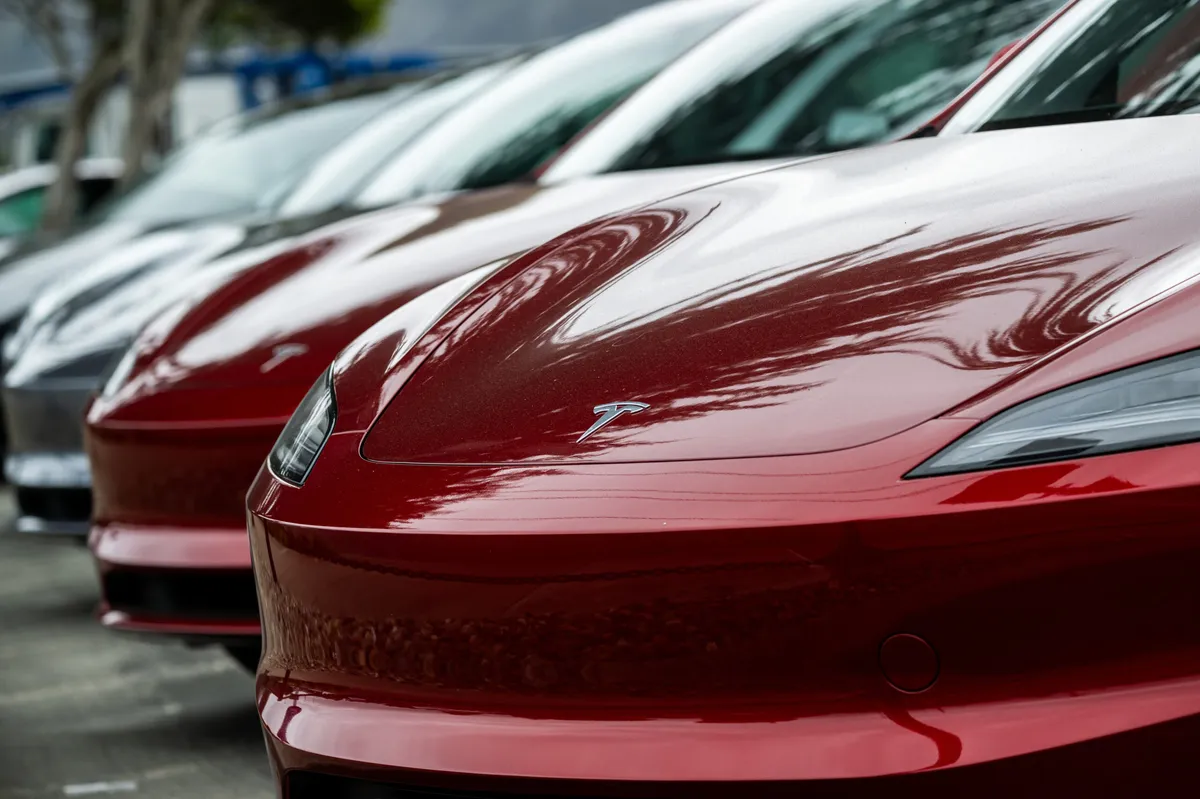
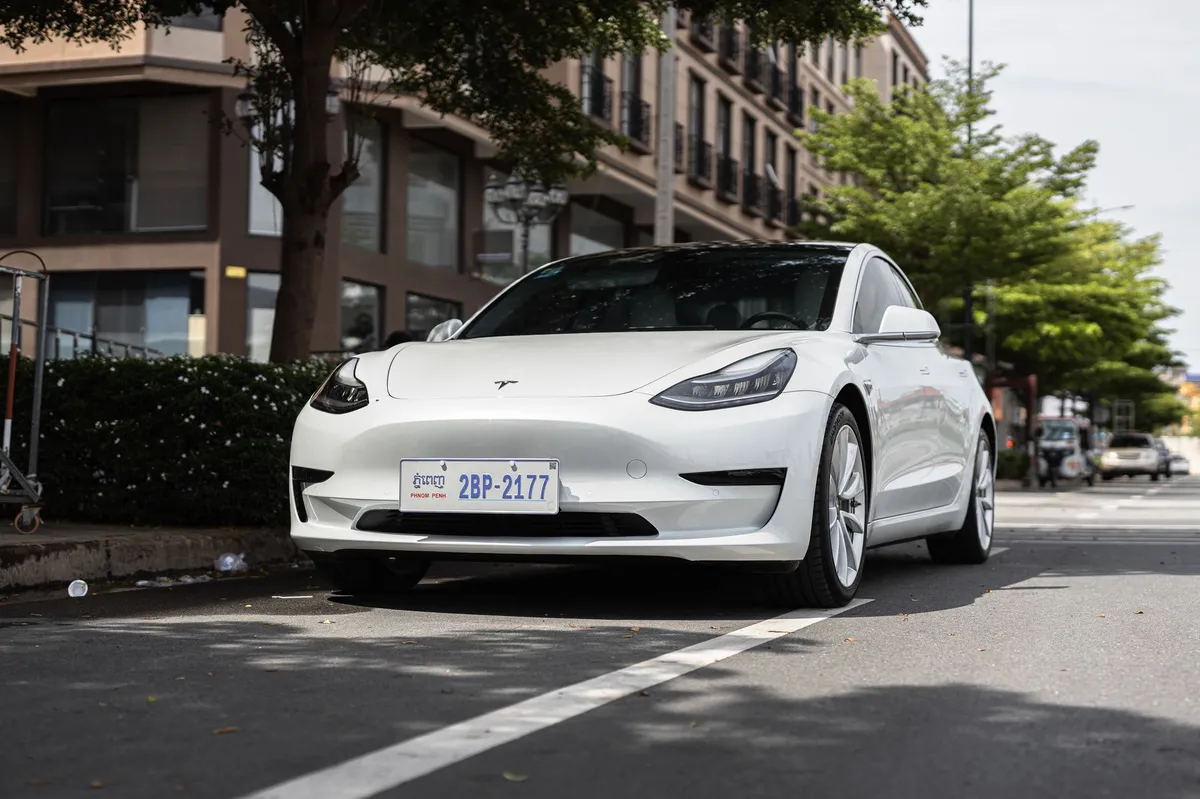
On July 31, 2026, the National Highway Traffic Safety Administration (NHTSA) announced a significant investigation into approximately 1.2 million Tesla vehicles. This inquiry arises from 156 complaints concerning suspension failures that could potentially lead to a loss of steering control. The affected models include the popular Model 3 and Model Y, with production years spanning from 2018 to 2023. As Tesla continues to push the envelope in electric vehicle technology, this latest development raises critical questions about vehicle safety, regulatory oversight, and consumer trust.
The NHTSA's preliminary evaluation is the first step in a multi-stage defect investigation process. This could ultimately lead to a recall if the agency identifies a safety-related defect. The gravity of the situation is underscored by the nature of the complaints: drivers have reported that the front lower lateral link in their vehicles detached suddenly, rendering the cars undriveable and necessitating towing. While there have been no reports of crashes, injuries, or fatalities directly linked to these defects, the potential risks involved have alarmed regulators and consumers alike.
Understanding the Suspension Issue
The suspension system of a vehicle is critical for maintaining control and stability. It comprises various components that connect the vehicle's body to its wheels, ensuring a smooth ride while absorbing shocks from the road. The front lower lateral link is a pivotal part of this system, playing a crucial role in steering and vehicle direction. If this component fails, it can lead to catastrophic outcomes, including loss of steering control.
Reported Complaints
According to the NHTSA, most complaints indicated that there was no advance warning prior to the suspension failure. A few drivers reported hearing unusual noises before the detachment occurred, suggesting that there might be some early indicators that could help prevent such incidents. However, the lack of consistent warning signs adds another layer of concern for owners of affected vehicles.
Previous Recalls and Investigations
This is not Tesla's first encounter with suspension issues. The company has previously issued recalls due to lower lateral link detachments. In 2021, Tesla recalled approximately 2,800 Model 3 vehicles due to a production issue. A subsequent recall in 2023 involved 422 Model 3 vehicles that experienced similar failures. The current investigation, however, appears to extend beyond these prior recalls, raising questions about the underlying causes and whether they are linked to the same production issues or a new defect entirely.
The Importance of Regulatory Oversight
The role of the NHTSA is paramount in ensuring vehicle safety standards are met. Their investigative process involves examining the underlying cause of defects, the scope of the issue, and its potential severity. This can help regulators determine whether a recall is necessary and what corrective actions should be taken. For Tesla, the scrutiny from regulatory bodies is significant, especially as the company has been known to track chronic failures internally while often attributing them to driver abuse.
Consumer Implications and What Tesla Owners Should Know
For Tesla owners, the ongoing investigation may lead to significant implications. Here are some key points to understand:
- Potential Recalls: If the NHTSA determines that a safety defect exists, a recall could be issued, which would require Tesla to address the issue at no cost to vehicle owners.
- Vehicle Safety: Affected owners should remain vigilant for any signs of problems with their suspension systems, such as unusual noises or changes in handling.
- Insurance Considerations: Owners might want to consult with their auto insurance providers regarding coverage for any potential damages resulting from suspension failures, especially if a recall is initiated.
- Staying Informed: Regularly checking for updates from Tesla and the NHTSA can help owners stay informed about the status of the investigation and any recommended actions.

Key Takeaways
- The NHTSA is investigating 1.2 million Tesla vehicles over suspension failures.
- 156 complaints have been filed, mostly without prior warning signs.
- The investigation could lead to recalls if safety defects are confirmed.
- Tesla has a history of previous recalls related to similar issues.
- Owners should monitor their vehicles for signs of suspension problems and stay updated on the investigation's outcomes.
Frequently Asked Questions
What should I do if I own a Tesla Model 3 or Model Y?
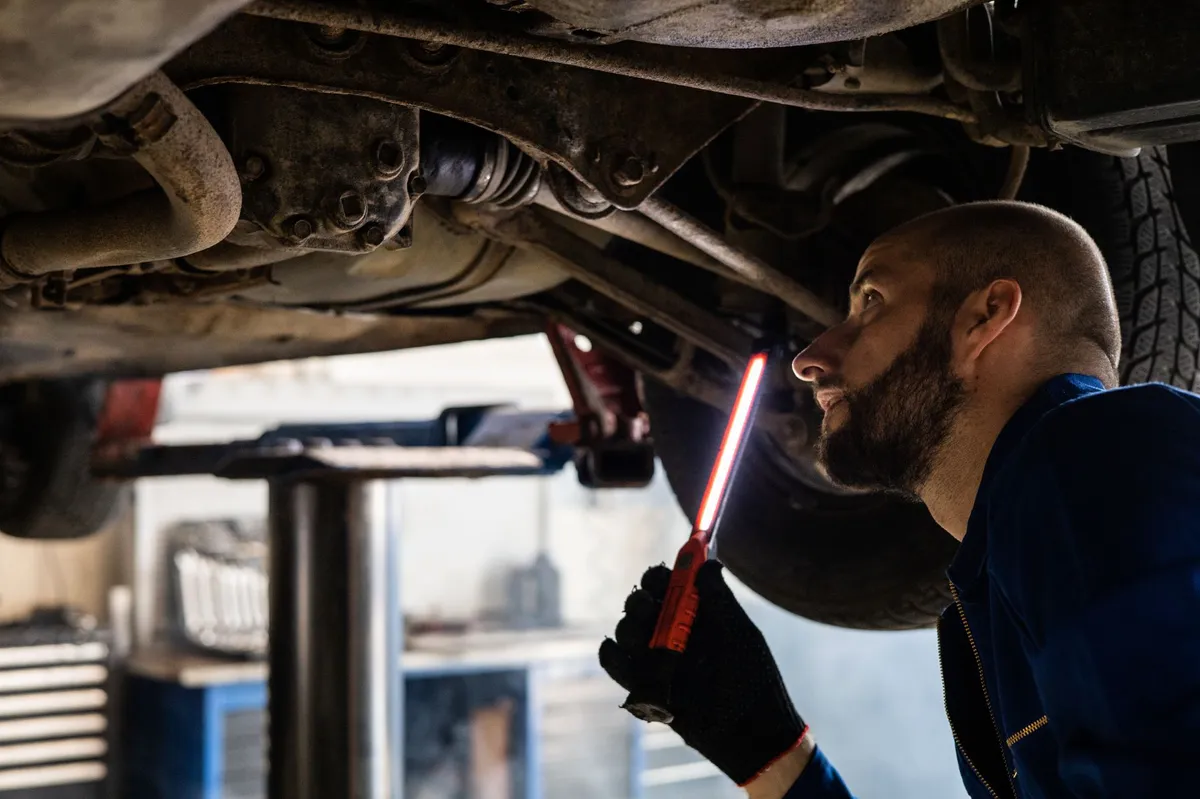
If you own a Tesla Model 3 (2018-2020) or Model Y (2021-2023), it is essential to stay informed about the NHTSA investigation. Regularly check Tesla's official website and the NHTSA's site for updates regarding your vehicle. You may also want to have your vehicle inspected by a qualified mechanic if you notice any unusual noises or handling issues. Additionally, consider contacting your auto insurance provider to understand your coverage in case of any suspension-related incidents.
How does a preliminary investigation by the NHTSA work?
A preliminary investigation by the NHTSA is the initial phase of a defect investigation process. It involves gathering information about the potential defect, assessing the scope of the issue, and determining its severity. If the NHTSA finds sufficient evidence of a safety-related defect, it can escalate the investigation to a more formal phase, which may lead to a recall. The entire process is crucial in ensuring that vehicles on the road meet safety standards and that manufacturers take responsibility for addressing defects.
What are the potential consequences for Tesla if defects are confirmed?
If the NHTSA confirms defects related to the suspension issues, Tesla could face several consequences. These may include mandatory recalls, which would require the company to repair or replace defective components at no cost to vehicle owners. Additionally, the company may face increased scrutiny from regulators, potential fines, and damage to its reputation as a leading manufacturer of electric vehicles. Such outcomes could also impact consumer trust and sales figures in the long term.
Are there any safety measures I can take while driving a potentially affected vehicle?
If you suspect that your vehicle may be affected by the suspension issues under investigation, it is vital to monitor your vehicle's performance regularly. Pay attention to any changes in handling, unusual noises, or vibrations. If you experience any concerning symptoms, it is advisable to stop driving the vehicle and have it inspected by a qualified professional. Ensuring that your vehicle's suspension system is functioning correctly is critical for your safety and that of others on the road.
Comments
Stellantis Issues Major Recall of 1.5 Million Ram 1500 Trucks
Stellantis has announced a recall affecting over 1.5 million Ram 1500 pickup trucks due to a critical seat belt issue. This article explores the implications of the recall and what affected owners should know.
Related articles
Popular in Car Insurance
- Consumer Sues GEICO and LexisNexis Over Identity Theft Claims Data Error
- Addressing Self-Driving Cars' Interference with Emergency Services
- Florida Court Reverses PIP Ruling, Favoring State Farm in Key Dispute
- NHTSA Investigates Nearly 1 Million GM Vehicles for Engine Failures
- OpenRoad Insurance Expands Classic Car Coverage to 40 States