NHTSA Flags Safety Risks in Older Ford Models: What Drivers Need to Know
The NHTSA has upgraded its investigation into safety risks associated with older Ford models, raising concerns over potential engine failures. Here’s what affected drivers should understand about the implications and next steps.
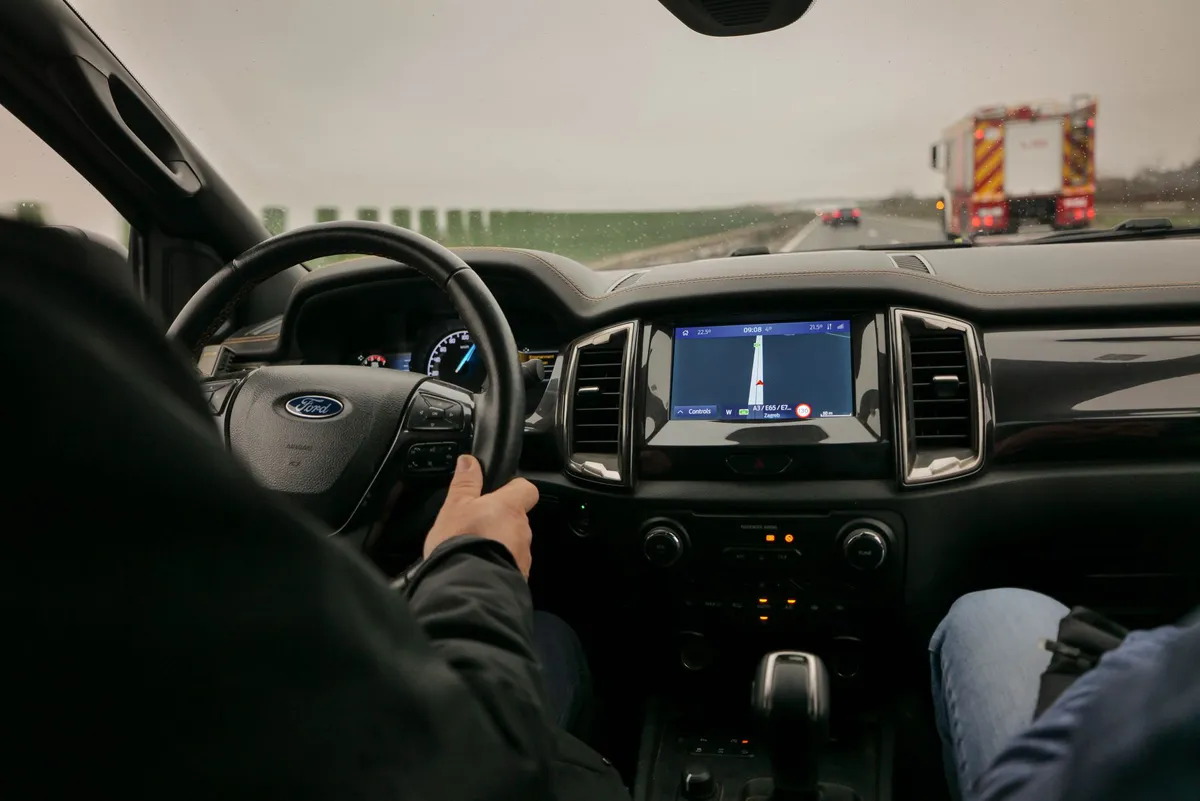
In a recent announcement that raises significant safety concerns for drivers of older Ford vehicles, the National Highway Traffic Safety Administration (NHTSA) has upgraded its investigation into specific models due to alarming reports of potential engine failures. With approximately 135,000 Ford Fiesta, Focus, and EcoSport vehicles affected, the findings suggest that these cars and SUVs may pose unreasonable safety risks, particularly related to their timing belts. This article delves into the core issues identified by the NHTSA, the implications for affected drivers, and the steps that can be taken to ensure safety.
Understanding the Safety Risks
The NHTSA's investigation, which includes models produced between 2014 and 2021, focuses on the 1.0L engine variants of these vehicles. The concerns stem from reports indicating that the timing belt material may degrade over time, leading to debris that can clog the oil pump's pick-up screen. This clogging can drastically reduce engine oil pressure, resulting in potential engine seizure or complete power loss while driving.
According to the NHTSA, there have been at least 355 reported incidents where drivers experienced a low engine oil pressure warning light shortly before their vehicles lost power. These incidents have occurred despite drivers adhering to routine oil maintenance schedules. The severity of the issue was highlighted by a Wilmington, Delaware driver who described their 2017 Ford Focus losing all power on a major highway, creating a dangerous situation.

Impact of Engine Failure
The potential consequences of these timing belt failures are not only dangerous but can also be financially burdensome. Data from the NHTSA indicates that the average failure mileage is approximately 70,000 miles, with 98% of failures occurring before the 150,000-mile mark, which is the suggested timing belt replacement interval. Engine repairs for such failures can range widely, often costing thousands of dollars.
For instance, a complete engine replacement could cost anywhere from $3,000 to $5,000 or more, depending on the vehicle model and labor costs in the area. This financial burden can be significant, especially for drivers who may have already invested in regular maintenance and repairs.
Ford's Response and Customer Support
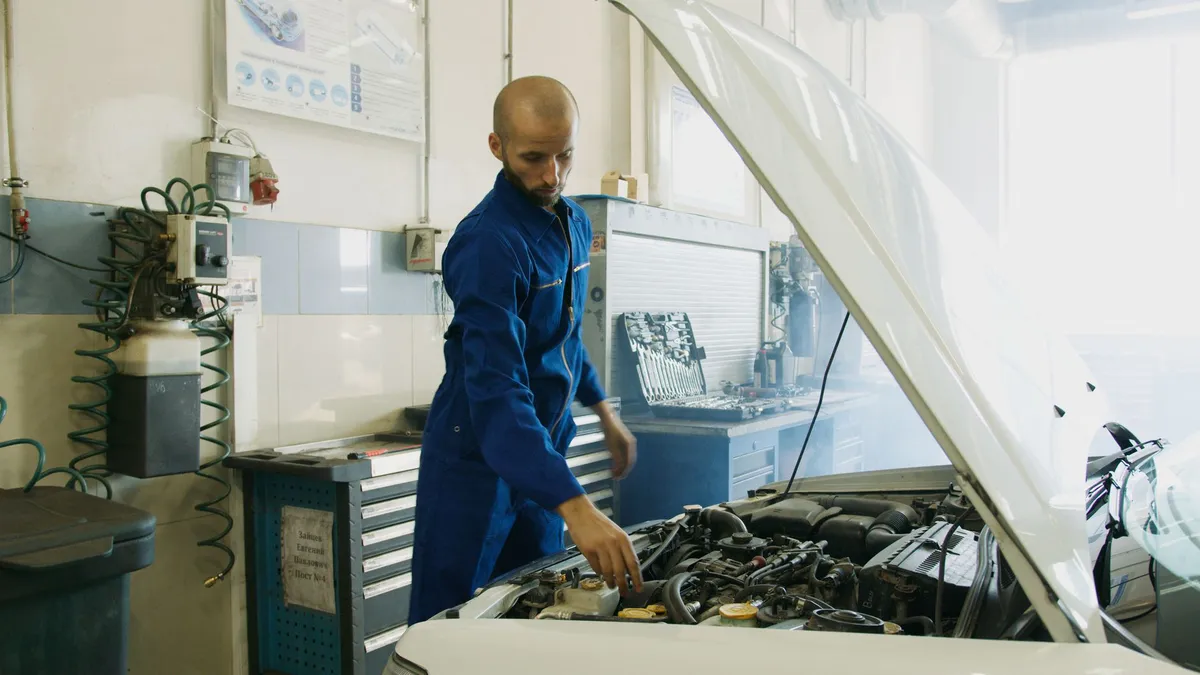
In response to the escalating situation, Ford has acknowledged the issue but has not yet issued a formal recall. Instead, the company has introduced a non-safety customer satisfaction program aimed at vehicles equipped with the 1.0L Fox Classic Timing Belt. This program includes a reduction in the maintenance interval for timing belt replacements from the standard 150,000 miles to 100,000 miles or six years.
Furthermore, Ford has offered reimbursement options for eligible customers who have previously incurred costs related to engine repairs or replacements due to timing belt issues. However, it remains unclear which specific vehicles are included in this customer satisfaction program, leaving many drivers uncertain about their coverage.
The Role of the NHTSA
The NHTSA's upgrade of the investigation to an engineering analysis is crucial, as it is a procedural step that could lead to a formal recall if the safety risks are deemed significant enough. The agency's statement emphasized that they believe there is an unreasonable risk to motor vehicle safety based on their analysis of failure rates, data provided by Ford, and other relevant information.
As the investigation progresses, it’s vital for drivers to stay informed about potential updates. The NHTSA frequently updates its website with information on vehicle recalls and safety alerts, making it a valuable resource for concerned vehicle owners.

What Affected Drivers Should Do
For drivers of the affected Ford models, proactive measures are essential to ensure safety and minimize financial risks. Here are some steps that drivers can take:
- Stay Informed: Regularly check the NHTSA website for updates on the investigation and any potential recalls.
- Monitor Vehicle Performance: Keep an eye on dashboard warning lights, particularly the oil pressure warning. If you experience any unusual noises or loss of power, consult a mechanic immediately.
- Document Maintenance Records: Maintain detailed records of all maintenance performed, as these may be needed for warranty claims or reimbursement from Ford.
- Consider Extended Warranties: If you have concerns about potential costs associated with repairs, explore options for extended warranties that may cover engine issues.
Key Takeaways
- The NHTSA has identified safety risks in older Ford models, particularly related to timing belt failures.
- Affected vehicles include certain Ford Fiesta, Focus, and EcoSport models from 2014 to 2021.
- Ford is offering a customer satisfaction program but has not yet issued a recall.
- Drivers should stay vigilant and monitor their vehicles for warning signs of engine issues.
Frequently Asked Questions
What should I do if my Ford vehicle experiences a loss of power?
If your Ford vehicle experiences a sudden loss of power, it is crucial to pull over to a safe location as soon as possible. Once safely parked, turn off the engine and check for warning lights on the dashboard. If the oil pressure warning light is illuminated, do not attempt to drive the vehicle further. Contact a qualified mechanic to assess the situation and determine the necessary repairs.
How can I find out if my vehicle is affected by the NHTSA investigation?
You can check if your vehicle is part of the NHTSA investigation by visiting their official website and entering your vehicle identification number (VIN). This will provide you with information on any recalls or safety alerts related to your specific vehicle model. Additionally, you can contact Ford customer service for assistance.
Is Ford offering any assistance for repairs related to this issue?
Yes, Ford has announced a customer satisfaction program that provides reimbursement options for eligible customers who have incurred costs related to engine repairs or replacements due to timing belt issues. However, it is essential to keep detailed documentation of any repairs performed to facilitate the reimbursement process.
Comments
Popular in Car Insurance
- Consumer Sues GEICO and LexisNexis Over Identity Theft Claims Data Error
- Addressing Self-Driving Cars' Interference with Emergency Services
- Florida Court Reverses PIP Ruling, Favoring State Farm in Key Dispute
- NHTSA Investigates Nearly 1 Million GM Vehicles for Engine Failures
- OpenRoad Insurance Expands Classic Car Coverage to 40 States