Safety Concerns Rise for Older Ford Vehicles: NHTSA Issues Warning
The NHTSA has raised alarms about safety risks in older Ford models due to potential timing belt failures. This article explores the implications for owners, potential recalls, and what drivers should know.
The National Highway Traffic Safety Administration (NHTSA) has recently escalated its investigation into safety risks associated with certain older Ford vehicles, specifically targeting models such as the Ford Fiesta, Ford Focus, and Ford EcoSport. The agency has revealed that these cars, which feature 1.0L engines produced between 2014 and 2021, may be at risk of experiencing critical timing belt failures. Such failures can lead to a sudden loss of power or engine seizure, presenting an alarming risk for drivers and passengers alike.
The NHTSA's decision to upgrade its probe into approximately 135,000 vehicles signifies a serious escalation in its scrutiny of Ford's practices and the potential dangers posed by these vehicles. Reports indicate that there have been at least 355 documented incidents where drivers experienced a low engine oil pressure warning light, often just moments before their vehicle lost all power or began to exhibit severe engine distress. This troubling trend raises significant concerns about the reliability and safety of these vehicles on the road.
The Nature of the Safety Risks
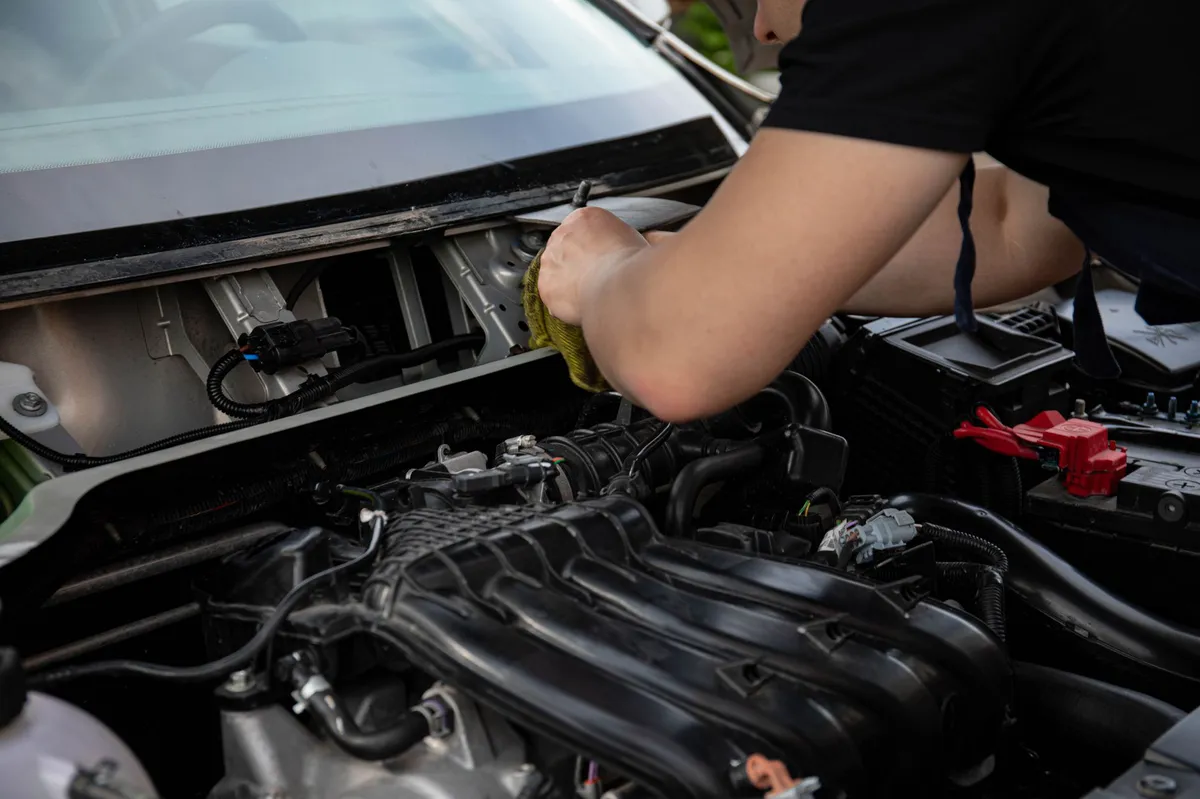
According to the NHTSA, the crux of the safety issue lies in the degradation of timing belt material, which can create debris that clogs the mesh oil pump pick-up screen. This clogging can lead to reduced engine oil pressure, a critical factor that can precipitate engine failure. Whistleblower accounts from drivers paint a grim picture, with some reporting that their vehicles behaved erratically before a complete failure, including one instance where a driver on a Wilmington, Delaware highway described their 2017 Ford Focus losing all power and sounding akin to “a tank.”
The investigation indicates that these failures can occur without any prior warning, despite adherence to regular oil maintenance schedules. This is particularly concerning given that failure rates were noted to peak at around 70,000 miles, with a staggering 98% of reported failures occurring before the recommended timing belt replacement interval of 150,000 miles. Such statistics highlight the potential for significant financial burdens on drivers who may face costly repairs or even complete engine replacements.
Ford's Response and Customer Relief Options
In response to these alarming findings, Ford has taken some steps to address customer concerns. In June 2026, the automaker informed the NHTSA that it would implement a non-safety customer satisfaction program for all global vehicles equipped with a 1.0L Fox Classic Timing Belt. This program includes a reduction of the maintenance interval for timing belt replacements to 100,000 miles or six years, whichever comes first. Furthermore, Ford has stated that it will offer reimbursement to eligible customers who have previously incurred expenses for engine repairs or replacements due to timing belt-related issues.
However, the specifics of which U.S. vehicles are included in this customer satisfaction program remain unclear, leaving many owners uncertain about their rights and options. It is imperative for owners of affected Ford models to reach out to their dealerships for clarification and to explore any potential compensation they may be eligible for.
Understanding the Implications of a Recall
The upgrade of the NHTSA's investigation to an engineering analysis is a critical step, as it sets the groundwork for possibly compelling Ford to initiate a recall. If the agency determines that a substantial safety risk exists, it can mandate that Ford address the issue through a formal recall process. For consumers, this could mean a variety of outcomes:
- Free Repairs: Affected vehicles may be eligible for free repairs or replacements as part of the recall process.
- Vehicle Buybacks: In some cases, manufacturers may choose to buy back affected vehicles from owners.
- Extended Warranties: Ford may offer extended warranties or coverage options for parts affected by the timing belt issue.
- Compensation: Owners may receive compensation for previous repairs related to the defect.
It is essential for vehicle owners to stay informed about developments concerning the recall, as safety issues like these can significantly impact the value of their vehicle, as well as their insurance premiums.

What Affected Drivers Should Do
For drivers who own one of the affected Ford models, awareness and proactive measures are crucial. Here are some steps to consider:
- Monitor Vehicle Alerts: Pay attention to your dashboard warning lights, especially the oil pressure light. If it illuminates, take immediate action to avoid potential engine damage.
- Contact Ford or Your Dealership: Reach out to Ford or your local dealership to inquire about your vehicle’s status regarding the customer satisfaction program and understand your options.
- Document Maintenance Records: Keep meticulous records of any maintenance performed on your vehicle, as this documentation may be necessary if a recall is issued or if compensation is sought.
- Stay Informed: Regularly check the NHTSA website and local news for updates on the investigation and potential recalls.
Being informed and proactive can save you from future headaches and expenses.
Key Takeaways
- NHTSA has identified safety risks in older Ford models due to potential timing belt failures.
- Approximately 135,000 Ford vehicles are under investigation, with reports of engine power loss.
- Ford has introduced a customer satisfaction program to address timing belt issues, but specifics remain unclear.
- Drivers should monitor warning lights and stay informed about recall developments.
Frequently Asked Questions
What should I do if my Ford vehicle experiences a low oil pressure warning light?
If your Ford vehicle's low oil pressure warning light illuminates, it is crucial to take immediate action. Safely pull over to the side of the road, turn off the engine, and allow the vehicle to cool. Continuing to drive could result in catastrophic engine damage. Contact a qualified mechanic or your dealership for a thorough inspection and diagnosis.
How do I know if my vehicle is part of the NHTSA investigation?
To find out if your vehicle is part of the NHTSA investigation, you can visit the NHTSA website and use their VIN (Vehicle Identification Number) lookup tool. Enter your VIN to see if there are any recalls or investigations associated with your vehicle model. Additionally, you can contact Ford customer service for more information.
What compensation options are available if my vehicle has already incurred repair costs?
If you have incurred repair costs related to timing belt issues in your affected Ford vehicle, you may be eligible for reimbursement through Ford's customer satisfaction program. It is advisable to keep all receipts and documentation of past repairs, as this will assist in your claim process. Contact your local Ford dealership or customer service for guidance on how to proceed.
Will a recall impact my car insurance premiums?
A recall can potentially impact your car insurance premiums. If a vehicle is deemed unsafe and a recall is issued, insurance companies may adjust premiums based on the increased risk associated with the vehicle. It is advisable to speak with your insurance agent to understand how a recall may affect your specific policy and what steps you can take to mitigate any potential premium increases.
Comments
Texas Driver Takes Allstate to Court Over Liability Dispute
A Texas driver has filed a lawsuit against Allstate, claiming the insurer incorrectly identified the at-fault party in a car accident and failed to cooperate during the claims process.

Related articles
Popular in Car Insurance
- Consumer Sues GEICO and LexisNexis Over Identity Theft Claims Data Error
- Addressing Self-Driving Cars' Interference with Emergency Services
- Florida Court Reverses PIP Ruling, Favoring State Farm in Key Dispute
- NHTSA Investigates Nearly 1 Million GM Vehicles for Engine Failures
- OpenRoad Insurance Expands Classic Car Coverage to 40 States