El Niño: The Strongest Weather Phenomenon in Decades
The U.S. Climate Prediction Center warns that the current El Niño could be the strongest in 75 years, impacting weather patterns and economies globally. This article explores what this means for the U.S. and beyond.
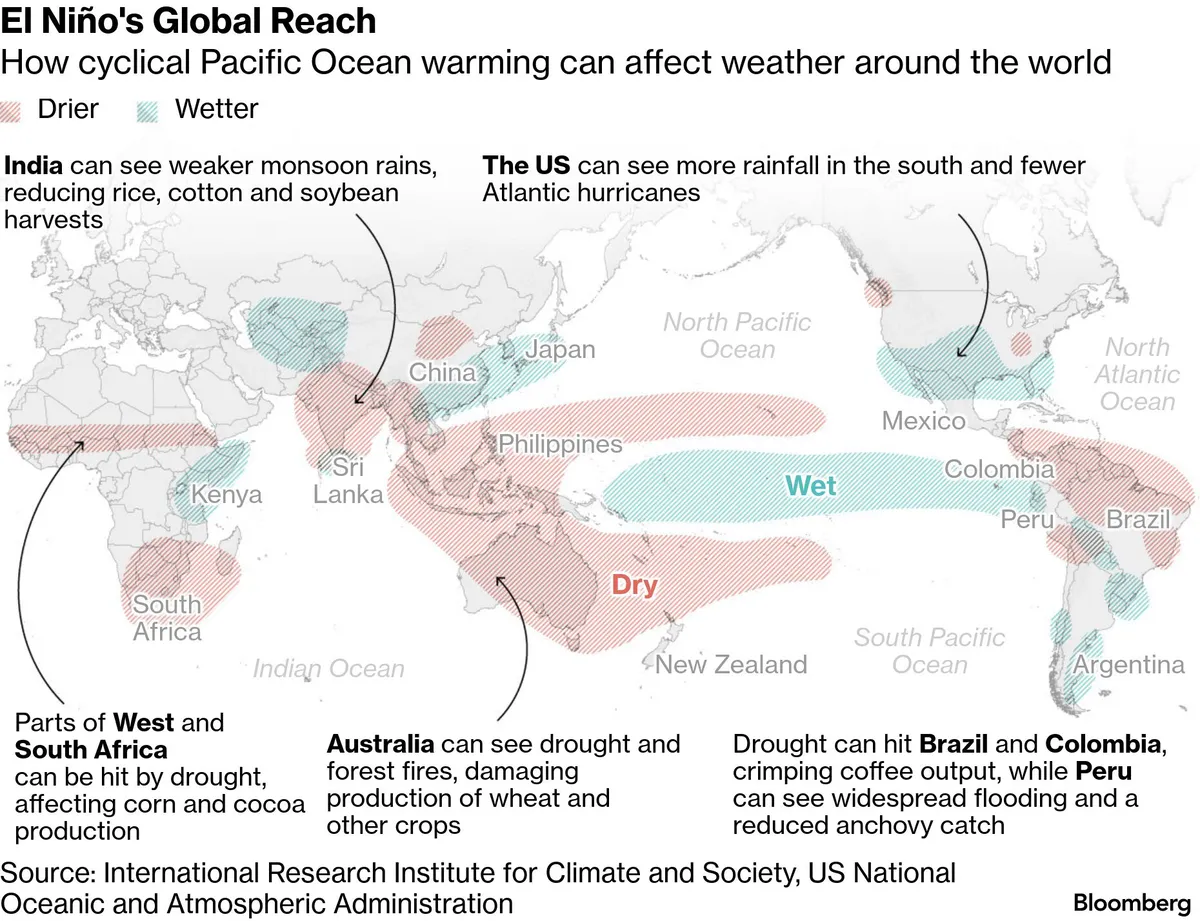
The weather phenomenon known as El Niño has made headlines recently as experts at the U.S. Climate Prediction Center forecast that the current event could be the most powerful seen in over 75 years. With sea surface temperatures rising significantly across the central and eastern equatorial Pacific Ocean, this year’s El Niño is expected to have far-reaching implications for weather patterns, agriculture, and economies not just in the United States, but around the globe.
As we navigate through the effects of climate change, understanding the nuances of El Niño is crucial. This phenomenon, characterized by warmer ocean temperatures, can disrupt global weather systems, leading to extreme weather conditions such as droughts, floods, and hurricanes. The current forecasts indicate an 81% chance of this El Niño ranking among the largest events on record, raising concerns about its potential impact on various sectors and communities.

The Mechanics of El Niño
El Niño occurs when the trade winds weaken and warm water accumulates in the central and eastern Pacific Ocean. This phenomenon typically develops every two to seven years and can last for several months. The current El Niño has already shown signs of strength, with sea surface temperatures reported at 1°C (1.8°F) or more above normal in many regions, and some areas reaching temperatures as high as 2.7°C above average.
Experts note that while El Niño events can lead to predictable weather patterns, the impacts can vary greatly depending on location. For instance, in the U.S., El Niño typically brings wetter winter conditions to the southern states, while the northern regions may experience warmer and drier conditions. This variability can influence everything from agricultural production to energy consumption and disaster preparedness.
Global Impacts and Economic Consequences
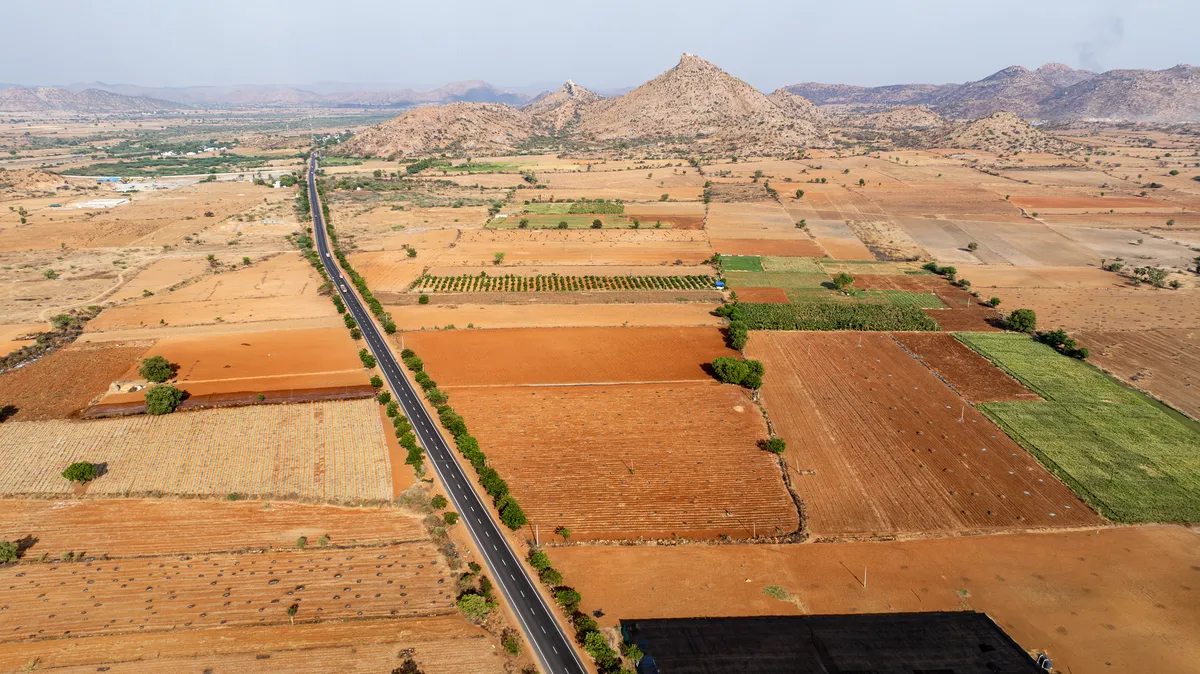
The effects of El Niño extend far beyond U.S. borders. Countries like India have already reported significant impacts, with the phenomenon contributing to depleted water reservoirs and increased pressure on their power grids during peak demand periods. Data from India’s power ministry indicates that generation from hydroelectric plants fell nearly 21% compared to last year, marking the steepest decline since early 2024. This has raised alarms about energy shortages in a nation grappling with extreme heat.
The economic ramifications of El Niño are profound. Farmers may face crop failures due to unexpected droughts or excessive rainfall, impacting food supply and prices. Industries reliant on stable weather conditions, such as agriculture, fishing, and insurance, must prepare for volatility. For example:
- Agriculture: Farmers may experience lower yields and increased costs.
- Insurance: Companies might see a rise in claims due to weather-related damage.
- Energy: Demand for energy may spike, leading to higher prices.
Weather Predictions and the Hurricane Season
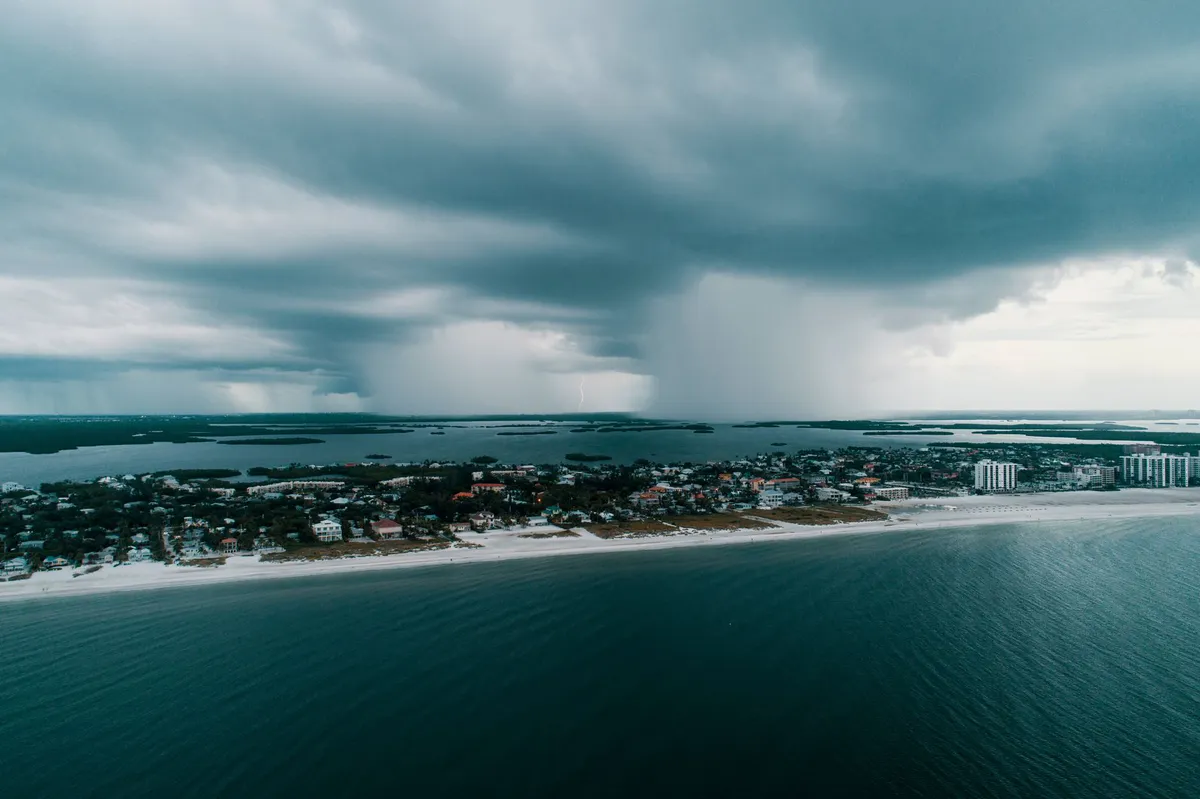
As we enter the hurricane season, El Niño's influence on tropical storm activity is a vital concern. The Climate Prediction Center has indicated that El Niño tends to increase wind shear in the Caribbean, which can disrupt the formation of hurricanes. However, this year’s forecast has led to a decrease in anticipated named storms in the Atlantic, with AccuWeather Inc. revising its predictions to between 8 to 14 storms, a drop from earlier estimates of 11 to 16.
This reduction is significant considering that the 30-year average for named storms is 14. The lower storm count can provide some relief, but it does not eliminate the potential for destructive weather events. Even a single powerful storm can cause extensive damage, underscoring the importance of preparedness and response strategies for both communities and businesses.
Preparedness: What Individuals and Businesses Can Do
As El Niño continues to develop, it’s crucial for individuals and businesses to take proactive steps in preparing for its potential impacts. Here are some recommendations:
- Stay Informed: Regularly check weather forecasts and updates from reliable sources.
- Create an Emergency Plan: Develop contingency plans for severe weather events, including evacuation routes and emergency supplies.
- Review Insurance Policies: Ensure that your insurance coverage adequately addresses potential risks associated with extreme weather.
- Engage in Community Preparedness: Participate in local initiatives aimed at disaster preparedness and response.
Key Takeaways
- The current El Niño is projected to be the strongest in 75 years, with significant implications for global weather patterns.
- Economic impacts are expected across various sectors, particularly in agriculture and energy.
- Preparedness strategies are essential for individuals and businesses to mitigate risks associated with extreme weather.
- Monitoring forecasts and engaging in community preparedness can enhance resilience against El Niño-related disruptions.
Frequently Asked Questions
What is El Niño and how does it form?
El Niño is a climate event characterized by the warming of ocean surface temperatures in the central and eastern Pacific Ocean. It forms when the trade winds weaken, allowing warm water to accumulate. This phenomenon can disrupt normal weather patterns and lead to extreme weather events globally.
How does El Niño affect weather in the U.S.?
In the U.S., El Niño typically brings wetter winters to the southern states, while the northern regions may experience warmer and drier conditions. The varying impacts can influence agriculture, water supply, and disaster response strategies.
What should people do to prepare for the impacts of El Niño?
Individuals and businesses should stay informed about weather forecasts, create emergency plans, review insurance policies, and participate in community preparedness initiatives to mitigate risks associated with extreme weather events.
How can El Niño influence hurricane activity?
El Niño tends to increase wind shear in the Caribbean, which can disrupt the formation of hurricanes. This year’s forecast suggests a lower number of storms than usual, but even a single intense storm can have devastating impacts.
Comments
Popular in Guides
- Texas Hill Country Floods: Lessons Learned and Warning Systems Tested
- Meta's Controversial AI 'Nudify' Ads: A Deep Dive into the Scandal
- July 2026: The Hottest Month in U.S. History and Its Implications
- Record-Breaking Heat: The Impact of July 2026 on Climate and Insurance
- Understanding Amazon's New User Agreement: What It Means for Consumers