Meta's Controversial AI 'Nudify' Ads: A Deep Dive into the Scandal
New revelations show that Meta's platforms, Facebook and Instagram, have been promoting controversial AI 'nudify' ads from a Chinese partner, raising ethical concerns and questions about user safety.
In a shocking revelation, the nonprofit Tech Transparency Project (TTP) has unearthed evidence that Meta Platforms Inc.'s Facebook and Instagram have been serving thousands of ads for AI-powered 'nudify' applications—services that can digitally alter images to portray individuals in sexually suggestive contexts. This alarming breach of advertising policies, facilitated by Chinese advertising partner GatherOne Inc., has ignited a firestorm of criticism regarding Meta's commitment to user safety and ethical advertising practices.
The report highlights a staggering 7,600 ads for mobile applications that utilize artificial intelligence to transpose women’s faces onto naked bodies or create sexualized videos. Among these ads, one particularly troubling app was flagged for enabling the sharing of content that some users have described as child pornography. Such revelations raise pressing concerns over the potential harms posed by AI technologies in the hands of unscrupulous operators.
The Role of GatherOne and Its Compliance Claims
GatherOne, a Beijing-based company, acts as an intermediary between Chinese firms looking to advertise on Meta’s platforms and the tech giant itself. Despite its claims of compliance with Meta’s advertising policies and a stated zero-tolerance stance against non-consensual content, the volume and nature of the ads served raise significant questions about the efficacy of Meta’s oversight mechanisms.
Meta's Advertising Guidelines
Meta’s advertising policies categorically prohibit sexually suggestive content and applications that aim to strip individuals of their clothing through digital means. However, TTP’s findings suggest a troubling inconsistency in enforcement. Katie Paul, director of TTP, criticized Meta for appearing to prioritize advertising revenue over user safety, asserting that the company's actions contradict its public statements regarding its commitment to curbing deepfake and nudify content.

The Impact of AI Nudify Ads
The implications of these ads extend far beyond mere policy violations. They tap into a larger discourse surrounding the ethical use of AI and the potential for technology to be weaponized against individuals, particularly women and minors. More than half of 557 teenagers surveyed by George Mason University reported using nudification tools to create images, with over a third identifying themselves as victims of such technology.
Legislative Responses
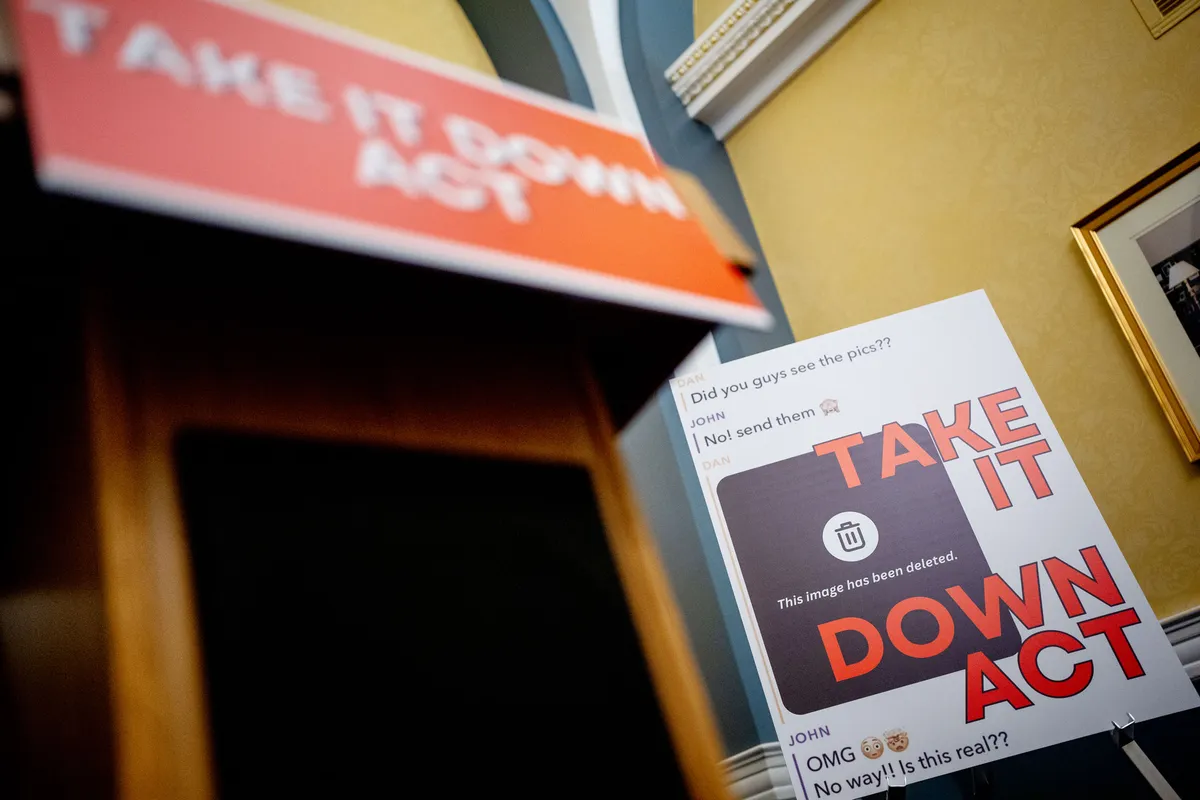
In response to the rising concerns surrounding non-consensual intimate imagery and synthetic media, legislative measures like the Take It Down Act have been enacted. This law criminalizes the publication of non-consensual sexual content and mandates the removal of such material from social media platforms. The Federal Trade Commission has commenced enforcement of this law, emphasizing the need for accountability among tech companies.

Meta’s Revenue and Ethical Dilemmas
Despite the controversies, Meta’s financial ties to China remain robust. In 2024, the company reported $18.4 billion in sales from China, accounting for 11% of its total global revenue. This financial dependency complicates Meta’s ethical landscape, as the company must balance profit motives with the responsibility to protect users from harmful content.
The Double-Edged Sword of Global Advertising
The situation exemplifies the challenges faced by tech companies operating in a global landscape where regulation and cultural standards vary widely. Companies like GatherOne facilitate access to international markets for Chinese firms, often at the expense of stringent compliance with local laws and ethical guidelines. This raises critical questions about the responsibility of platforms like Meta in vetting the content they allow through their advertising networks.
- Over 7,600 ads for AI nudify apps served on Meta's platforms.
- Chinese partner GatherOne claims compliance with advertising standards.
- Survey shows over half of teens have used nudification tools.
- The Take It Down Act aims to combat non-consensual intimate imagery.
- Meta's China revenue was $18.4 billion in 2024, highlighting its financial stakes.
Key Takeaways
- Meta has been criticized for serving AI nudify ads despite its policies.
- The role of GatherOne raises questions about advertising compliance.
- Legislation is evolving to combat non-consensual digital content.
- Teen usage of nudification tools underscores the urgency of the issue.
- Meta's financial interests complicate its ethical responsibilities.
Frequently Asked Questions
What are AI nudify apps and how do they work?
AI nudify apps utilize artificial intelligence technologies to manipulate images, often allowing users to superimpose faces onto naked bodies or create sexualized content without consent. These apps raise serious ethical and legal concerns, particularly regarding the potential for exploitation and harassment.
What actions has Meta taken in response to these ads?
Meta has stated that it actively removes ads that violate its policies and has taken steps to ban specific nudify apps like BAfter, which was linked to problematic content. However, critics argue that the volume of such ads suggests a failure in oversight and enforcement.
How does the Take It Down Act impact social media platforms?
The Take It Down Act criminalizes the distribution of non-consensual sexual content and requires social media platforms to remove such content promptly. This legislation aims to enhance accountability among tech companies and protect users from harmful digital practices.
What can users do to protect themselves from AI nudify tools?
Users should be vigilant about the apps they use and the content they share online. It’s crucial to report any instances of non-consensual imagery and to utilize privacy settings to limit exposure to unwanted content. Awareness and education are key to navigating the digital landscape safely.
Comments
Popular in Guides
- Texas Hill Country Floods: Lessons Learned and Warning Systems Tested
- El Niño: The Strongest Weather Phenomenon in Decades
- July 2026: The Hottest Month in U.S. History and Its Implications
- Record-Breaking Heat: The Impact of July 2026 on Climate and Insurance
- Understanding Amazon's New User Agreement: What It Means for Consumers