Texas Hill Country Floods: Lessons Learned and Warning Systems Tested
In the wake of devastating floods in Texas Hill Country, new warning systems are being tested. This article explores the improvements made, the challenges faced, and what residents need to know.
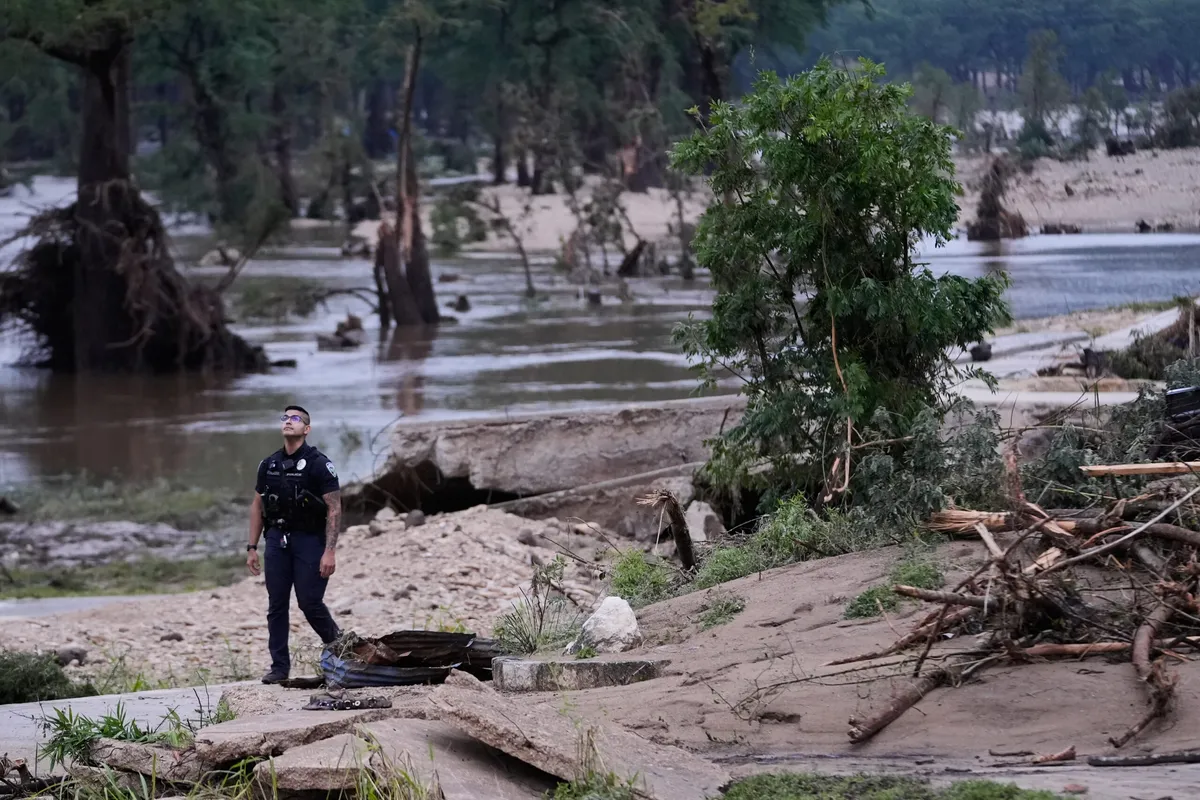
The Texas Hill Country has long been known for its picturesque landscapes and small-town charm, but it is also notorious for its susceptibility to devastating floods. Following the catastrophic floods of July 2025, which claimed over 100 lives, local officials and state lawmakers vowed to implement significant changes to the region's emergency response and warning systems. Fast forward to July 2026, and the area is once again grappling with flash floods, but this time, the community's response has improved thanks to better preparation and new technologies.
As heavy rains swept through the Hill Country, residents experienced the implementation of enhanced flood warning systems, including newly installed sirens and a more proactive alert system. While these changes certainly saved lives, the recent events also highlighted ongoing challenges that still exist in effectively communicating urgent information in a vast, rural landscape.
Evaluating the Impact of Flood Warning Systems
In the aftermath of the 2025 floods, which resulted in 136 fatalities—28 of whom were children at a sleepaway camp—local agencies were scrutinized for their lack of preparedness. Many missed opportunities to issue timely alerts, leading to tragic outcomes. The Texas legislature responded by funding enhanced warning systems and bolstering infrastructure.
Positive Changes in Alert Protocols
This year, residents in areas prone to flooding, such as Kerr County, reported a markedly different experience. Flood sirens were activated, and early warnings were sent out via mobile phones, text messages, and other channels. For example, Kerr County issued four alerts before the recent floods, a stark contrast to the previous year when officials hesitated to “cry wolf” due to concerns about false alarms. As resident Suzanne Sutphin Gschwind noted, the difference was palpable: “Last year, we got no alarms. We had no idea what was going on. This year, it was very different.”

Limitations in Communication
Despite these improvements, not all residents received notifications. The National Weather Service issued 38 alerts during a recent 48-hour period, including 24 flood warnings and 14 tornado warnings. However, localized information, which can be crucial in determining evacuation needs, was often missing from these alerts. Some residents, like Jaclyn Gonzales in Uvalde, received warnings from friends rather than official channels, illustrating a gap in the alert system. “It was the shock of the water to my feet that made me really wake up,” Gonzales recounted, emphasizing the need for timely and effective communication.
Investments in Infrastructure and Technology
The Texas government has made significant investments to enhance flood response capabilities. New flood sirens have been installed in multiple counties, and additional funding is available for more counties to implement similar systems. State Senator Paul Bettencourt, who championed funding for these sirens, noted that the combination of outdoor sirens and cellphone alerts greatly improved the response to recent flooding. “It’s an enormous improvement over a year ago,” he said.
Private Sector Innovations
In addition to government initiatives, private companies are stepping in to address gaps in emergency responses. Ian Cunningham’s company, River Sentry, has installed flood sirens at privately owned sites, including RV parks. Their sirens are triggered by rising water levels, providing timely alerts to visitors. Similarly, Hohonu, a technology firm, has developed water-level sensors that facilitate real-time data sharing, significantly improving the decision-making process for emergency responders.

Community Response and Preparedness
The recent floods have prompted notable changes in community preparedness, with local law enforcement and emergency services taking a more proactive approach. In Zavala County, officers went door-to-door to disseminate evacuation information, demonstrating the importance of community engagement in emergency situations. Additionally, many residents have expressed a willingness to take warnings seriously, even if it means erring on the side of caution.
The Role of Technology in Emergency Management
Technological advancements have played a crucial role in improving emergency response. Apps like Watch Duty, originally designed for fire tracking, have expanded to include flood monitoring features. These innovations not only help authorities but also empower residents with real-time information, making them active participants in their safety.
Key Takeaways
- Improved Warning Systems: Enhanced flood sirens and alert protocols have been implemented since the 2025 floods.
- Community Engagement: Local agencies are taking a proactive approach to disseminate evacuation orders.
- Technological Innovations: Private companies are developing solutions to fill gaps in emergency response.
- Need for Localized Alerts: Many residents still face challenges in receiving timely, localized information during emergencies.
Frequently Asked Questions
What improvements have been made to flood warning systems in Texas Hill Country?
Following the tragic floods of 2025, Texas has implemented several key improvements to its flood warning systems. These include the installation of new flood sirens, a more proactive approach to issuing alerts, and funding for technology that enhances real-time data sharing. Local officials are now more willing to issue warnings to avoid repeating past mistakes.
How can residents ensure they receive timely alerts during floods?
Residents can sign up for local emergency notification systems, such as CodeRED, to receive alerts via text messages and phone calls. Additionally, staying informed through local news outlets and weather apps can provide essential updates during severe weather events. It’s recommended to prepare an emergency plan that includes evacuation routes and essential supplies.
What role does technology play in flood management?
Technology plays an increasingly vital role in flood management by providing real-time data that assists emergency responders. Innovations such as water-level sensors and alert apps help communities monitor conditions and respond more effectively. These tools enable citizens to receive timely information, making them better prepared for emergencies.
Are there still challenges in the flood warning system?
Yes, despite advancements, challenges remain in ensuring that all residents receive timely and localized alerts. Some areas still lack adequate coverage, and not all residents may be aware of how to access or sign up for emergency notification systems. Continuous improvements and community education are essential for enhancing overall preparedness.
Comments
Popular in Guides
- El Niño: The Strongest Weather Phenomenon in Decades
- Meta's Controversial AI 'Nudify' Ads: A Deep Dive into the Scandal
- July 2026: The Hottest Month in U.S. History and Its Implications
- Record-Breaking Heat: The Impact of July 2026 on Climate and Insurance
- Understanding Amazon's New User Agreement: What It Means for Consumers