Employers Pull Back on GLP-1 Weight Loss Drug Coverage: What It Means for Employees
As more employers drop coverage for GLP-1 medications used for weight management, employees face rising costs and potential disruptions in their healthcare. Understanding this trend is crucial for those affected.
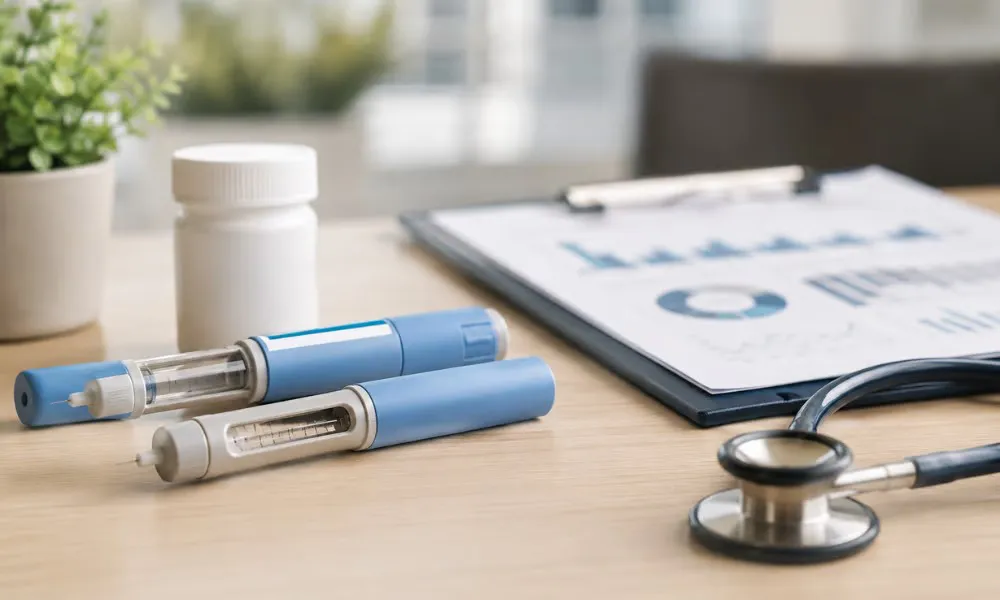
In recent years, glucagon-like peptide-1 (GLP-1) medications have gained significant traction in the weight management landscape, offering promising results for individuals striving to lose weight. However, a troubling trend is emerging as more employers are choosing to drop coverage for these expensive drugs. According to a report from the Business Group on Health, the percentage of employers that provide GLP-1 coverage for weight management has decreased from 72% in 2025 to just 60% in 2026. With open enrollment approaching, this shift raises critical concerns for employees who rely on these medications to support their weight loss journeys.
The increasing reluctance of employers to cover GLP-1 medications is not merely a reflection of their effectiveness but a response to their staggering costs. Brand-name GLP-1 injectables can range from $1,000 to $1,500 per month, with employers typically covering a substantial portion of these expenses. The financial burden posed by these medications has prompted many organizations to reevaluate their healthcare benefits as they strive to manage rising costs. This article delves into the implications of this trend, what employees can expect, and how they should navigate the changes.
Understanding the Decline in GLP-1 Coverage
The Business Group on Health's findings indicate a significant shift in employer attitudes towards GLP-1 weight management coverage. With an increasing number of employers—14%—either dropping or planning to drop this coverage by 2027, the trend points to a growing concern regarding the overall cost of healthcare benefits.
Cost Considerations
Eileen Pincay, a pharmacy practice leader at benefits consultancy Segal, highlights that the primary driver behind this change is cost. The reality is stark: while GLP-1 medications have proven effective and are in high demand among employees, their exorbitant price tags make them unsustainable for many employers. As the healthcare industry faces escalating drug costs, which are projected to rise by 12%, employers are left with the challenging task of balancing employee needs with financial viability.

The Impact on Employees and Coverage Changes
As employers reevaluate their healthcare offerings, the ramifications for employees can be significant. Many who rely on GLP-1 medications for weight management may suddenly find themselves facing out-of-pocket expenses that can exceed $1,000 a month. This abrupt shift has the potential to create friction within the workforce, particularly for those who are accustomed to having these costs covered by their employers.
Some employers are not completely dropping coverage but are opting to tighten eligibility requirements. This includes implementing higher body mass index (BMI) thresholds or stricter clinical criteria for those seeking approval for GLP-1 medications. Brenna Shebel, vice president at Business Group on Health, notes that while there is a retreat in coverage, it is more about increased scrutiny of healthcare spending rather than an outright abandonment of GLP-1 medications.
Communication is Key
As open enrollment approaches, it is vital for employers who have made changes to their GLP-1 coverage to communicate these alterations clearly and transparently to their employees. For those who have dropped coverage, a mere mention in a summary plan description is insufficient. Employees need comprehensive explanations regarding the changes to avoid confusion and dissatisfaction. The medical community has acknowledged the high public profile of GLP-1 drugs, and the sudden shift from a covered benefit to an out-of-pocket expense can be jarring for many employees.

Alternative Approaches by Employers
While some employers are moving away from GLP-1 weight management coverage, others continue to provide access but are modifying how they manage that coverage. For instance, some are employing strategies like prior authorization requirements and tighter eligibility criteria to control costs while still offering some level of access to these medications.
Moreover, employers are exploring direct-to-employer drug arrangements that bypass traditional pharmacy benefit managers. Such arrangements can lead to more favorable pricing and streamlined access to medications for employees. However, they require thorough plan document reviews and careful coordination with carriers or pharmacy benefit managers (PBMs), often facilitated through insurance brokers.
The Broader Healthcare Landscape
The decline in GLP-1 coverage is indicative of larger trends within the healthcare sector. Pharmacy costs now account for approximately 25% of employers' total healthcare expenditures, which underscores the urgent need for solutions to manage these rising costs. Employers are increasingly scrutinizing every dollar spent on healthcare, leading to a more cautious approach to benefits offerings.
- Cost Management: Employers are compelled to find ways to manage rising healthcare costs, often at the expense of comprehensive coverage.
- Heightened Scrutiny: The focus on scrutinizing healthcare spending has resulted in tighter controls over which medications are covered.
- Employee Communication: Clear communication regarding changes to drug coverage is essential to prevent employee dissatisfaction and confusion.
- Alternatives Emerging: Some employers are looking into alternative arrangements for coverage that can help mitigate costs.

Key Takeaways
- Employer coverage for GLP-1 weight loss drugs is declining, impacting many employees.
- Cost is the primary factor driving the reduction in coverage, as employers face rising healthcare expenses.
- Clear communication from employers about changes in coverage is crucial for employee satisfaction.
- Some employers are tightening eligibility for GLP-1 coverage rather than eliminating it entirely.
- Alternative drug arrangements may provide a solution for some employers looking to control costs.
Frequently Asked Questions
What are GLP-1 medications, and how do they work?
GLP-1 medications, or glucagon-like peptide-1 receptor agonists, are a class of drugs that mimic the effects of the GLP-1 hormone, which is naturally produced in the body to regulate appetite and glucose levels. These medications have been shown to aid in weight loss by increasing feelings of fullness, slowing gastric emptying, and reducing food intake. They are often prescribed for individuals with obesity or those seeking to manage their weight effectively.
Why are employers dropping GLP-1 weight loss coverage?
Employers are primarily dropping GLP-1 weight loss coverage due to the high cost of these medications. With brand-name injectables costing between $1,000 and $1,500 per month, many organizations find it challenging to justify the expense in light of rising healthcare costs. The decision to eliminate coverage is often a cost management strategy as employers seek to maintain affordable benefits for their workforce.
What can employees do if their GLP-1 coverage is dropped?
If employees find themselves facing a loss of GLP-1 coverage, they should first seek clarity from their employers regarding the changes. Understanding the reasons behind the decision and exploring alternative options is crucial. Employees might also consider discussing their situation with their healthcare providers, who may be able to suggest lower-cost alternatives or other treatments for weight management. Additionally, employees can use the open enrollment period to review and compare other health plans that might offer better coverage for their needs.
Are there alternatives to GLP-1 medications for weight management?
Yes, there are several alternatives to GLP-1 medications for weight management. These can include lifestyle changes such as diet and exercise, over-the-counter weight loss aids, and other prescription medications that may be less expensive. It is essential for individuals to consult with their healthcare providers to determine the best approach for their specific circumstances and health goals. Exploring these options can help individuals maintain their weight loss efforts even if GLP-1 coverage is not available.
Comments
Vanderbilt Lawsuit Challenges Gender-Affirming Care Denials
A Vanderbilt University faculty member's lawsuit against the institution highlights critical issues surrounding insurance claim denials for gender-affirming procedures. This case may redefine employer responsibilities and protections under federal law.

Related articles
Popular in Health Insurance
- Humana's Medicare Advantage Growth and Strategic Developments: Q2 2026 Insights
- FDA Calls for Enhanced Oversight in Infant Formula Supply Chain
- Abbott Laboratories Faces Cybersecurity Challenges: What It Means for Healthcare
- Surge in Cyclosporiasis Cases in Michigan: A Deep Dive into the Outbreak
- Liberty Mutual Targets New York Clinics in $1.5M No-Fault Billing Scheme Lawsuit