FDA Reverses Positive Cyclospora Test in Lettuce Outbreak: What You Need to Know
The FDA has retracted a positive test linking Taylor Farms' lettuce to a cyclospora outbreak, highlighting challenges in food safety investigations. This article delves into the implications of this reversal and what it means for consumers and suppliers alike.
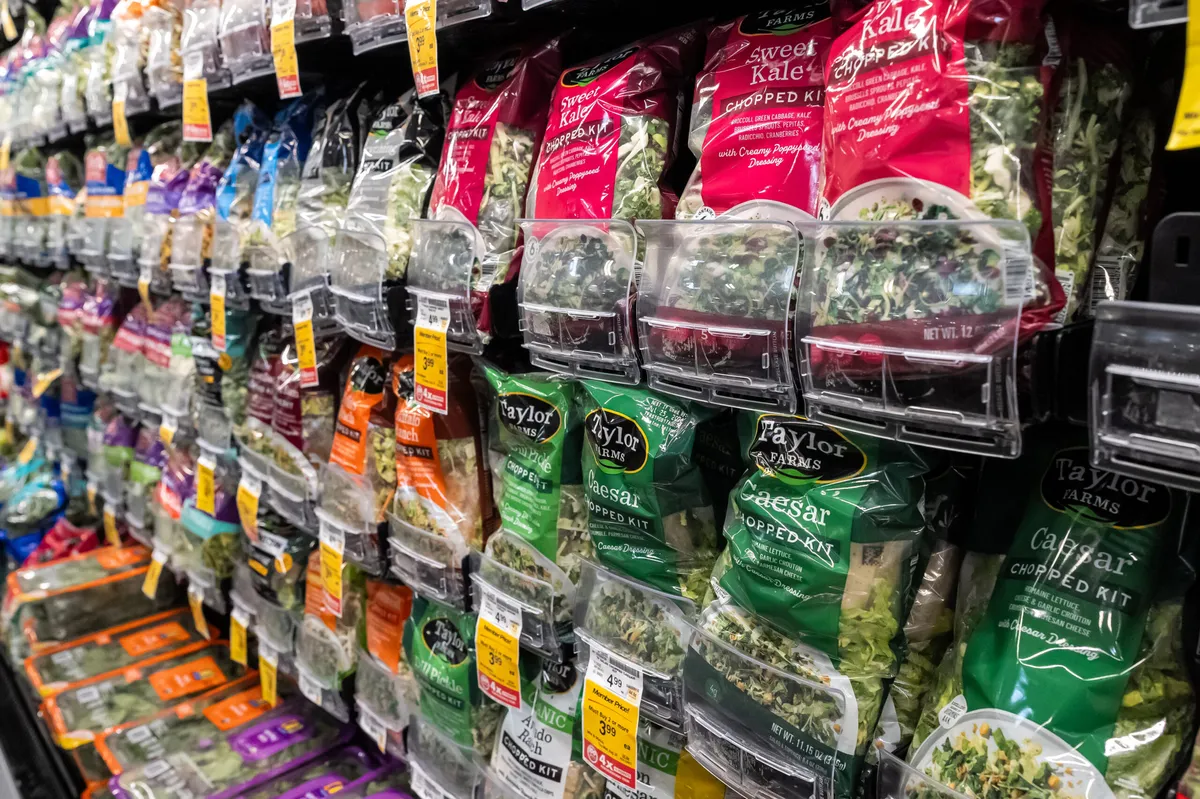
The recent cyclospora outbreak linked to lettuce has seen a significant development as the Food and Drug Administration (FDA) walked back an earlier claim of a positive test associated with Taylor Farms' products. Initially, the FDA announced a positive result indicating that cyclospora, a microscopic parasite responsible for gastrointestinal illness, was detected in lettuce not currently under recall. This raised concerns that the recall might expand, affecting more consumers. However, by the following day, the FDA re-evaluated the test results and determined the initial finding was a false positive.
This situation underscores the complex nature of foodborne illness investigations, particularly with cyclospora, which poses significant challenges in detection and tracing. As health officials continue to investigate the source of the outbreak, the implications for consumers, retailers, and food suppliers remain considerable.
Understanding the Cyclospora Outbreak
Cyclosporiasis, the illness caused by the cyclospora parasite, has resulted in widespread infections across the United States, with the Centers for Disease Control and Prevention (CDC) reporting cases in 34 states. As of mid-July 2026, Michigan has reported over 5,000 confirmed cases, making it the state with the highest incidence.
The symptoms of cyclosporiasis can be severe and include:
- Severe diarrhea
- Nausea
- Stomach cramps
- Fatigue
Symptoms can appear anywhere from a few days to two weeks after ingestion, complicating efforts to trace back to the source of the infection. Given the short shelf-life of lettuce, which may only last a week or two, identifying the specific batch that caused the outbreak is particularly challenging.
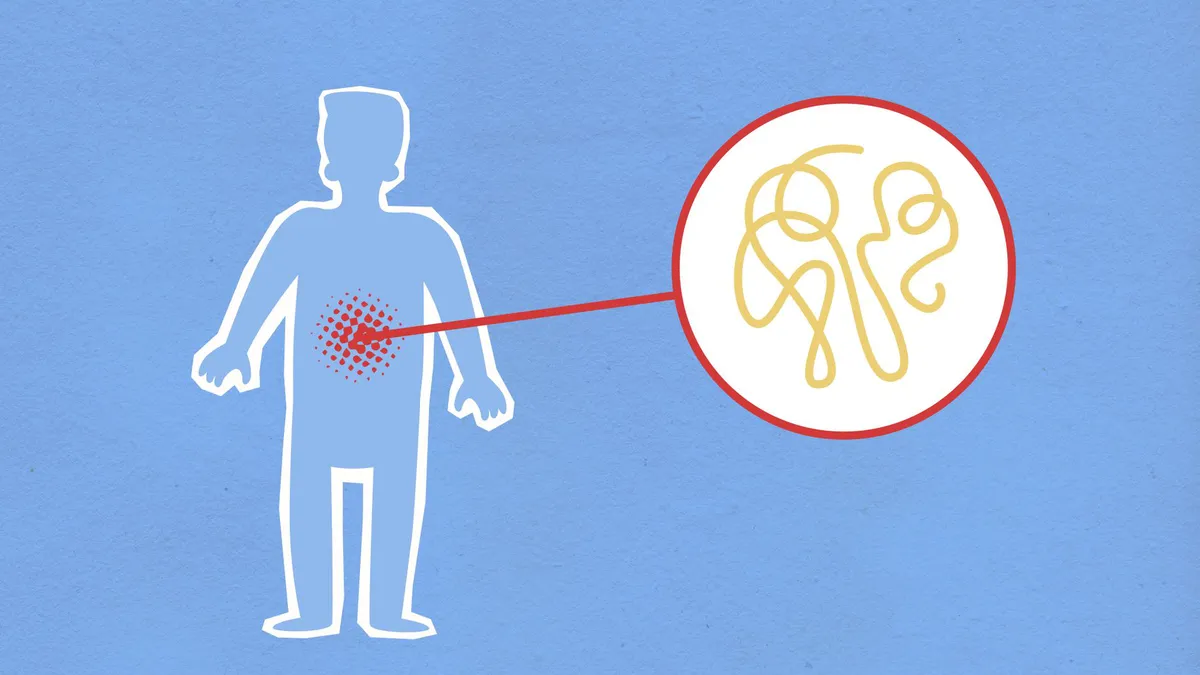
Challenges in Testing and Tracing
The FDA’s retraction of the positive test reflects the difficulty in detecting cyclospora in both environmental samples and food products. According to Stephen Ostroff, a former deputy FDA Commissioner, the absence of positive test results does not necessarily exonerate a supplier in instances of foodborne illness outbreaks. This is especially true for cyclospora, which can be notoriously elusive.
The FDA employs a combination of three data types to investigate foodborne outbreaks:
- Epidemiologic data: This includes information about the affected individuals, their symptoms, and their food consumption history.
- Traceback data: This involves tracking the food supply chain to identify potential sources of contamination.
- Food and environmental testing: This refers to laboratory tests conducted on food products and environmental samples to confirm the presence of pathogens.
In the case of Taylor Farms, while the FDA has not identified any positive test results for their products, health officials are still focusing on the supplier due to the epidemiological evidence linking their lettuce to the outbreak. The investigation is ongoing, and suppliers must remain vigilant regarding food safety practices.

Retailer Response and Consumer Safety
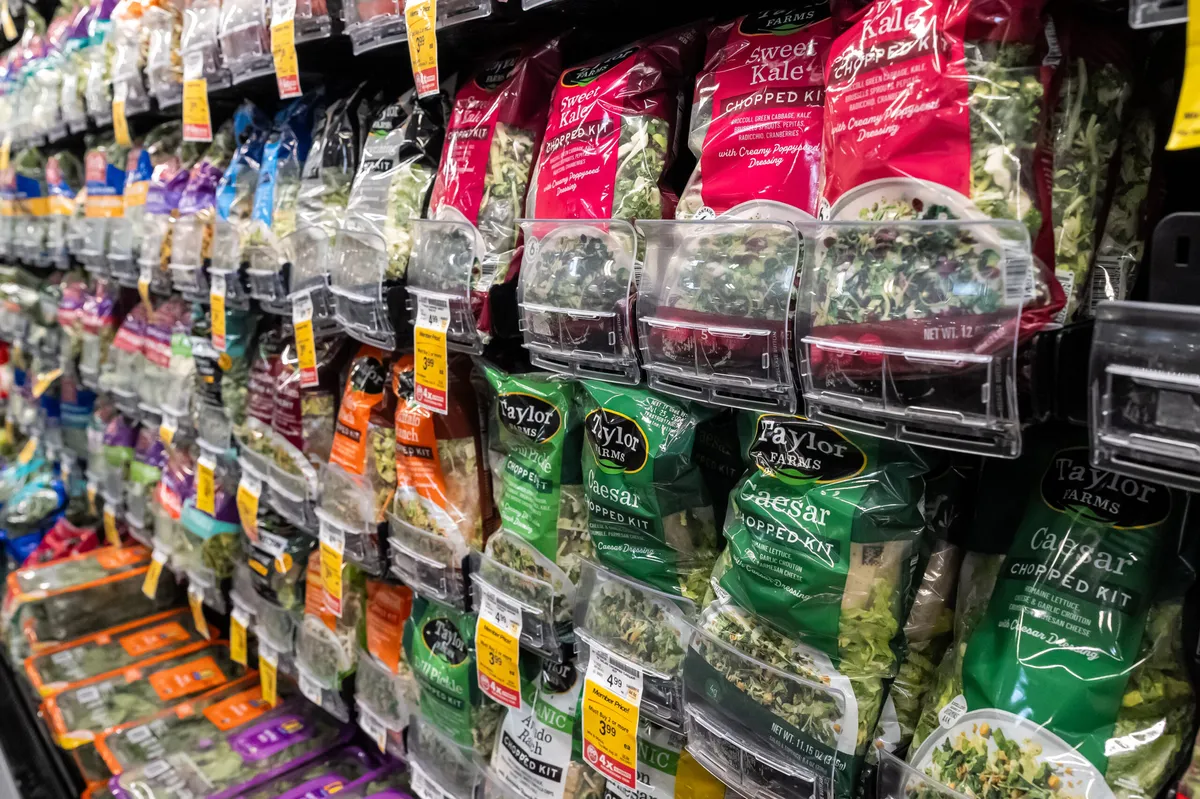
In response to the potential risks associated with the outbreak, retailers are taking steps to protect their customers. Notably, Walmart has removed specific bagged salad products containing Taylor Farms lettuce from its shelves. Similarly, Taco Bell, which sources lettuce from Taylor Farms, acted swiftly to adjust its supply chain, removing all affected products from its restaurants within 72 hours of the initial report.
The rapid response from these retailers highlights the importance of consumer safety and the need for transparency in the food supply chain. As the investigation continues, health officials are advising consumers to remain vigilant and report any gastrointestinal symptoms that may arise after consuming lettuce products.
Implications for Food Suppliers and Regulators
The cyclospora outbreak and the subsequent FDA retraction of the positive test raise critical questions about the accountability of food suppliers and the regulatory framework overseeing food safety. With the FDA's complex testing protocols and the challenges posed by cyclospora, suppliers must invest in robust food safety measures to mitigate risks. This includes enhanced tracking systems, regular testing of products, and comprehensive training for employees on safe handling practices.
Furthermore, regulators must maintain transparency and communication with the public during investigations to foster trust. The FDA’s quick retraction of the positive test demonstrates an effort to provide accurate information to consumers and stakeholders, which is crucial in maintaining confidence in the food supply.
Key Takeaways
- The FDA has retracted a positive test linking Taylor Farms' lettuce to a cyclospora outbreak, indicating it was a false positive.
- Cyclosporiasis is a serious gastrointestinal illness affecting thousands across the US, with Michigan being the most impacted state.
- Investigations into foodborne illnesses rely on a combination of epidemiologic, traceback, and testing data.
- Retailers like Walmart and Taco Bell are taking proactive measures to protect consumers by removing potentially affected products.
- Food suppliers must prioritize safety protocols and transparency to prevent future outbreaks.
Frequently Asked Questions
What is cyclospora, and how is it transmitted?
Cyclospora is a microscopic parasite that causes cyclosporiasis, a gastrointestinal illness characterized by symptoms such as severe diarrhea, nausea, and stomach cramps. The parasite is typically transmitted through contaminated food or water, particularly fresh produce like lettuce. Proper washing and handling of food can reduce the risk of infection.
How can consumers protect themselves from foodborne illnesses?
Consumers can take several steps to protect themselves from foodborne illnesses, including thoroughly washing fruits and vegetables, cooking foods to the appropriate temperatures, and staying informed about recalls and outbreaks. It's also wise to report any symptoms of foodborne illnesses to healthcare providers to facilitate tracking and investigation.
What should I do if I have symptoms after eating lettuce?
If you experience gastrointestinal symptoms after consuming lettuce or any other food, it is essential to seek medical attention. Your healthcare provider can conduct tests to determine the cause of your symptoms and provide appropriate treatment. Additionally, reporting your illness to local health authorities can help in identifying potential outbreaks.
What role does the FDA play in food safety?
The FDA is responsible for ensuring the safety and security of the nation's food supply. This includes regulating food products, conducting inspections, and investigating foodborne illness outbreaks. The agency also provides guidance to food suppliers on best practices for food safety and works to improve the effectiveness of food safety regulations.
Comments
FDA Retracts Positive Test Amid Ongoing Lettuce Recall Crisis
The FDA recently retracted a positive test linking Taylor Farms' lettuce to a cyclospora outbreak, yet the investigation continues as illnesses spread across the U.S. This evolving situation underscores challenges in tracing foodborne illnesses.
Related articles


Popular in Health Insurance
- Humana's Medicare Advantage Growth and Strategic Developments: Q2 2026 Insights
- FDA Calls for Enhanced Oversight in Infant Formula Supply Chain
- Abbott Laboratories Faces Cybersecurity Challenges: What It Means for Healthcare
- Surge in Cyclosporiasis Cases in Michigan: A Deep Dive into the Outbreak
- Liberty Mutual Targets New York Clinics in $1.5M No-Fault Billing Scheme Lawsuit