FDA Retracts Positive Test Amid Ongoing Lettuce Recall Crisis
The FDA recently retracted a positive test linking Taylor Farms' lettuce to a cyclospora outbreak, yet the investigation continues as illnesses spread across the U.S. This evolving situation underscores challenges in tracing foodborne illnesses.
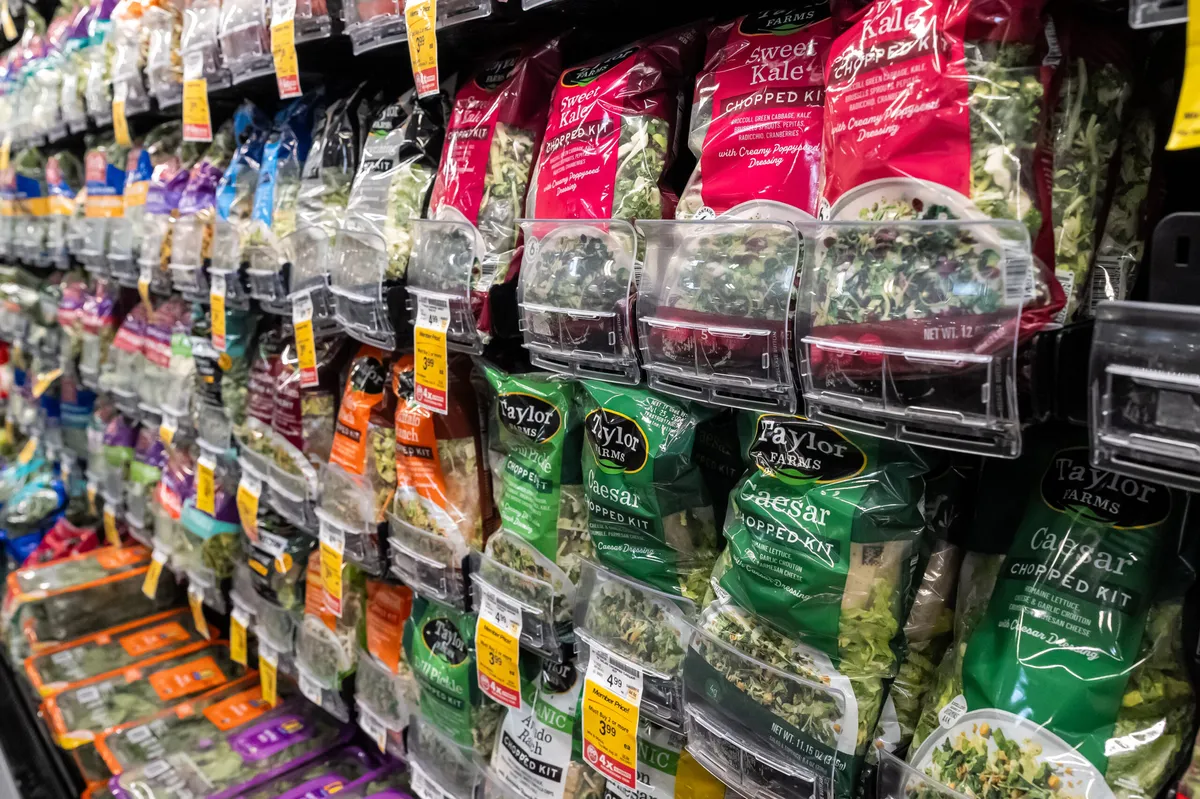
The recent announcement from the Food and Drug Administration (FDA) regarding the cyclospora outbreak linked to Taylor Farms' lettuce highlights the complexities and challenges of food safety in the United States. The FDA's initial report indicated a positive test for cyclospora in Taylor Farms lettuce, prompting an urgent investigation and recall. However, just a day later, the agency retracted this claim, stating that the initial result was a false positive. This development has significant implications for public health and the food supply chain, as the outbreak continues to affect consumers across multiple states.
As of mid-July 2026, over 5,000 cases of cyclosporiasis have been reported in the U.S., with Michigan leading the count. The cyclospora parasite, which causes gastrointestinal illness, poses serious health risks, including severe diarrhea and nausea. The retraction by the FDA does not necessarily absolve Taylor Farms from scrutiny, as health officials explore alternative avenues for tracing the outbreak. This situation serves as a crucial reminder of the ongoing battle against foodborne illnesses and the importance of rigorous food safety practices.
Understanding Cyclospora and Its Health Implications
Cyclosporiasis is caused by ingesting food or water contaminated with the Cyclospora cayetanensis parasite. Symptoms can include:
- Severe diarrhea
- Nausea
- Abdominal cramps
- Fatigue
- Loss of appetite
Symptoms can appear one to two weeks after exposure, complicating efforts to trace outbreaks back to specific sources. The illness can last from a few days to several months, particularly in individuals with weakened immune systems.
Why Tracking Cyclospora Is Challenging
Detecting cyclospora in food items is notoriously difficult, as noted by former Deputy FDA Commissioner Stephen Ostroff. The short shelf life of fresh produce like lettuce means that by the time symptoms appear, the contaminated product may no longer be available for testing. The FDA utilizes three primary data types in foodborne outbreak investigations: epidemiologic data, traceback investigations, and food/environmental testing. Each of these components plays a crucial role in identifying the source of an outbreak, but the inherent complexities of testing for cyclospora may hinder these efforts.

The Role of Taylor Farms and Industry Response
Taylor Farms has been a focal point in this ongoing investigation. Despite the FDA's retraction, health officials continue to examine the company's produce closely. Taylor Farms has acted swiftly in response to the crisis, removing products from a Mexico farm distributed to 27 states. This proactive measure reflects the company's commitment to consumer safety, although it also underscores the potential for significant financial repercussions and reputational damage in the event of confirmed contamination.
Impact on Retailers and Consumers
Retail giants, including Walmart, have also responded by pulling affected products from their shelves. For instance, Walmart confirmed the removal of four bagged iceberg lettuce salad products manufactured by Taylor Farms. The widespread nature of the outbreak has prompted Taco Bell, owned by Yum! Brands Inc., to act quickly, ensuring that all potentially contaminated lettuce products were removed from their restaurants across the country. These swift actions are vital in preventing further illnesses but also reveal the interconnectedness of supply chains and the ripple effects of foodborne illness outbreaks.
Regulatory Framework and Future Implications
The FDA's dual role in both protecting public health and supporting the food industry can lead to complexities during outbreak investigations. The agency's recent misstep in reporting a positive test emphasizes the need for meticulous testing protocols and transparent communication with the public. In times of crisis, the accuracy of information is paramount to maintaining consumer trust and ensuring safety.
Potential Changes in Food Safety Regulations
In response to ongoing foodborne illness challenges, there may be calls for stricter regulations surrounding food safety testing and traceability. Enhanced tracking mechanisms and more robust testing protocols could help mitigate the risk of future outbreaks. Additionally, the food industry may need to invest in improved supply chain transparency to better respond to consumer safety concerns.
Key Takeaways
- The FDA retracted a positive cyclospora test linked to Taylor Farms, but the investigation continues.
- Over 5,000 cases of cyclosporiasis have been reported across the U.S., primarily in Michigan.
- Detecting cyclospora in food is challenging, complicating outbreak investigations.
- Retailers like Walmart and Taco Bell have removed affected products to protect consumers.
- This incident highlights the need for improved food safety regulations and practices.
Frequently Asked Questions
What is cyclospora, and how does it affect health?
Cyclospora is a microscopic parasite that causes cyclosporiasis, a gastrointestinal illness characterized by severe diarrhea, nausea, and abdominal cramps. The illness can be particularly severe for individuals with weakened immune systems, and symptoms can last for varying lengths of time, complicating detection and reporting.
How does the FDA investigate foodborne illness outbreaks?
The FDA employs a combination of epidemiologic data, traceback investigations, and food/environmental testing to identify the sources of foodborne illness outbreaks. This multi-faceted approach is essential for accurately tracing the origin of contamination and preventing further cases.
What should consumers do if they suspect contaminated food?
Consumers who suspect they have consumed contaminated food should seek medical attention, especially if they experience severe symptoms. Reporting suspected illness to local health departments can aid in tracking outbreaks and preventing further cases. It’s also essential to stay informed about product recalls and safety alerts through trusted sources.
Comments
Surge in Cyclosporiasis Cases in Michigan: A Deep Dive into the Outbreak
Michigan faces a significant health crisis as cyclosporiasis cases exceed 6,000. This article explores the outbreak, its causes, and the implications for public health and consumers.

Related articles

Popular in Health Insurance
- Humana's Medicare Advantage Growth and Strategic Developments: Q2 2026 Insights
- FDA Calls for Enhanced Oversight in Infant Formula Supply Chain
- Abbott Laboratories Faces Cybersecurity Challenges: What It Means for Healthcare
- Surge in Cyclosporiasis Cases in Michigan: A Deep Dive into the Outbreak
- Liberty Mutual Targets New York Clinics in $1.5M No-Fault Billing Scheme Lawsuit