Understanding the Latest Cyclospora Outbreak: What You Need to Know
The FDA is investigating a new outbreak of cyclospora, linked to rising cases across the Midwest. Learn about the implications for consumers and businesses.

The summer of 2026 has ushered in yet another wave of health concerns as the US Food and Drug Administration (FDA) investigates a significant outbreak of cyclospora, a parasite known for causing severe gastrointestinal distress. As of July 22, 2026, the FDA has reported 72 cases of infections linked to an unidentified source, adding to a troubling trend of rising cyclospora cases across the Midwest. With previous outbreaks tied to contaminated lettuce from Taylor Farms, the current situation is stirring alarm among consumers and investors alike.
As the cyclospora parasite is known to thrive in warmer weather, the frequency and intensity of outbreaks typically increase during the summer months. This year, the Centers for Disease Control and Prevention (CDC) has noted thousands of infections across 41 states, signaling a public health challenge that extends beyond mere discomfort. The implications of this outbreak resonate through various sectors, affecting everything from consumer confidence to market performance for food-related companies.
What is Cyclospora and How Does it Spread?
Cyclospora cayetanensis is a microscopic parasite that can cause a disease known as cyclosporiasis. Symptoms typically include severe diarrhea, stomach cramps, nausea, and fatigue, which can last for several weeks if untreated. The parasite is often transmitted through contaminated food or water, particularly fresh produce. Outbreaks are not uncommon, especially in the summer months when conditions for the parasite's growth are optimal.
Sources of Infection
Common sources of cyclospora infections include:
- Contaminated fruits and vegetables: Items like salad greens, berries, and herbs are often implicated.
- Unwashed produce: Inadequate washing can leave behind residual parasites.
- Contaminated water: Drinking or using water that has not been treated can also pose a risk.
The recent outbreak underscores the importance of food safety measures, particularly as consumers increasingly seek fresh produce during the warmer months.
Impact on Food Industry and Consumer Confidence
The fallout from the cyclospora outbreak has immediate ramifications for the food industry. Major food chains such as Sweetgreen and Chipotle have seen their stock prices dip significantly, even though they are not directly linked to the current outbreak. Sweetgreen’s shares fell more than 13%, while Chipotle’s dropped over 4%. This market reaction highlights how sensitive investors are to food safety concerns, with businesses in the sector facing the dual challenge of maintaining health standards and ensuring consumer trust.
Historical Context of Cyclospora Outbreaks
Historically, cyclospora outbreaks have been sporadic but impactful. The summer months typically see an uptick in cases, with outbreaks often traced back to specific food items. For instance, in previous years, salads and other fresh produce have frequently been at the center of cyclospora contamination events. Each outbreak serves as a reminder of the vulnerabilities in the food supply chain and the continuing challenges in maintaining food safety.
Regulatory Response and Food Safety Measures
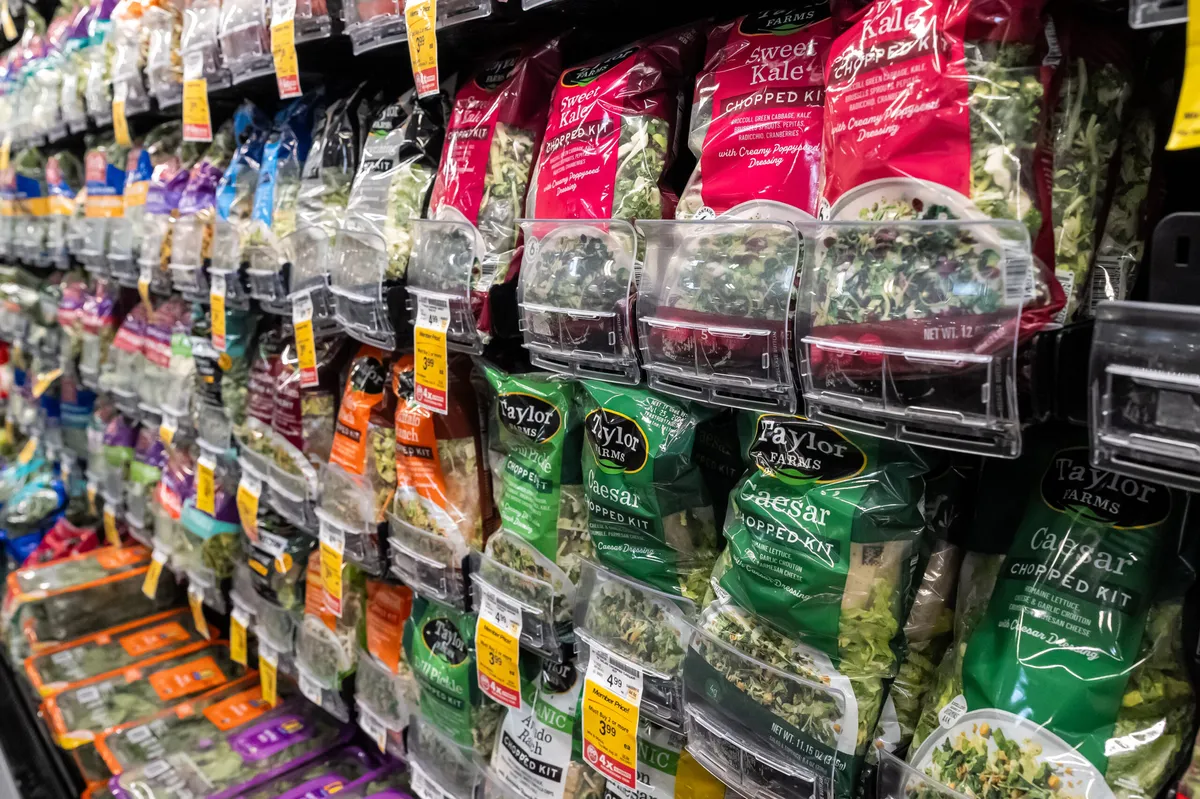
The FDA is tasked with ensuring food safety across the United States, and its response to the cyclospora outbreak includes thorough investigations and product recalls. The agency’s rapid response is crucial in identifying sources of contamination and preventing further infections. In the case of Taylor Farms, the company proactively recalled potentially contaminated lettuce, illustrating the importance of swift action in mitigating health risks.
Preventative Measures for Consumers
Consumers can take several steps to protect themselves from cyclospora and other foodborne illnesses:
- Wash all fruits and vegetables: Thoroughly rinse produce under running water before consumption.
- Stay informed: Follow updates from the FDA and CDC regarding food recalls and safety advisories.
- Report symptoms promptly: If experiencing gastrointestinal symptoms, consult a healthcare provider and report to local health authorities.
By taking these precautions, consumers can significantly reduce their risk of contracting cyclospora and other foodborne pathogens.

Conclusion: Navigating the Current Landscape
The ongoing investigation into the cyclospora outbreak serves as a critical reminder of the complexities surrounding food safety in the United States. With thousands of individuals potentially affected and significant market repercussions for food companies, the need for robust food safety protocols and consumer vigilance has never been more pronounced. As the investigation unfolds, staying informed and proactive can help consumers navigate the challenges presented by this health crisis.
Key Takeaways
- Cyclospora is a parasite causing severe gastrointestinal symptoms, typically transmitted through contaminated food and water.
- The FDA is investigating an outbreak linked to 72 cases, with significant concern for consumer health.
- Shares of major food chains have dropped due to market reactions to the outbreak, highlighting the fragility of consumer confidence.
- Consumers should practice diligent food safety measures, including washing produce and remaining aware of food recalls.
Frequently Asked Questions
What should I do if I suspect I have cyclosporiasis?
If you suspect you have cyclosporiasis, it is important to seek medical attention promptly. A healthcare provider can conduct tests to confirm the presence of the parasite and prescribe appropriate treatment. Early intervention can alleviate symptoms and prevent complications, especially for individuals with weakened immune systems.
How does the FDA investigate outbreaks like this?
The FDA employs a comprehensive approach to investigating outbreaks of foodborne illnesses. This includes collecting data from affected individuals, tracing the source of contamination, and conducting inspections of food production facilities. The agency collaborates with state and local health departments, as well as food companies, to identify contamination sources and implement recalls when necessary.
Are there long-term effects of cyclospora infection?
While most individuals recover from cyclosporiasis without long-term effects, some may experience prolonged symptoms, including fatigue and gastrointestinal disturbances. In rare cases, especially among immunocompromised individuals, severe complications can arise. It is essential to monitor symptoms and consult a healthcare provider if they persist.
Comments
Taylor Farms Under Fire: Navigating the Cyclosporiasis Outbreak Response
Taylor Farms faces scrutiny over its delayed response to a serious cyclosporiasis outbreak linked to its iceberg lettuce. As the crisis unfolded, the company's communication and actions raised questions about food safety and corporate responsibility.
Related articles
Popular in Health Insurance
- Humana's Medicare Advantage Growth and Strategic Developments: Q2 2026 Insights
- FDA Calls for Enhanced Oversight in Infant Formula Supply Chain
- Abbott Laboratories Faces Cybersecurity Challenges: What It Means for Healthcare
- Surge in Cyclosporiasis Cases in Michigan: A Deep Dive into the Outbreak
- Liberty Mutual Targets New York Clinics in $1.5M No-Fault Billing Scheme Lawsuit