Taylor Farms Under Fire: Navigating the Cyclosporiasis Outbreak Response
Taylor Farms faces scrutiny over its delayed response to a serious cyclosporiasis outbreak linked to its iceberg lettuce. As the crisis unfolded, the company's communication and actions raised questions about food safety and corporate responsibility.
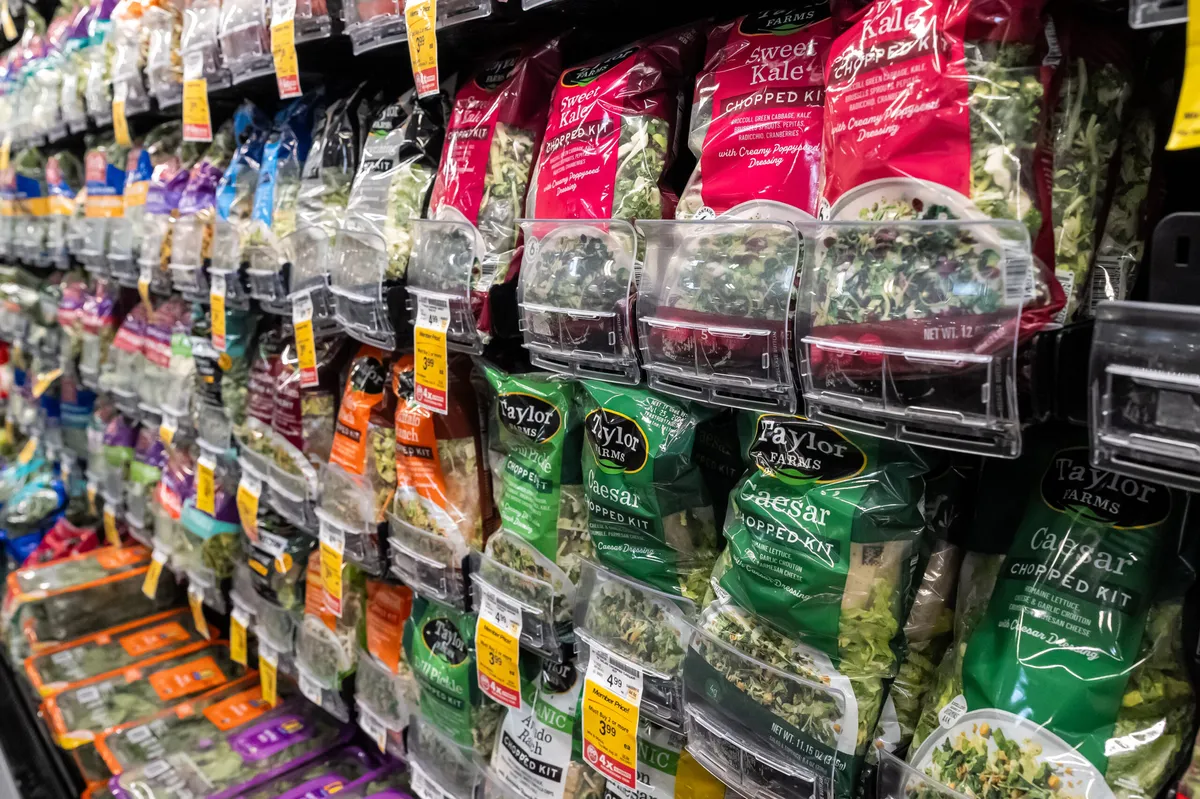
The recent outbreak of cyclosporiasis, a parasitic gastrointestinal illness, has sent shockwaves throughout the United States, particularly affecting consumers who have enjoyed meals at Taco Bell. At the center of this public health crisis lies Taylor Farms, a major player in the fresh produce industry, which has found itself embroiled in controversy over its response to this alarming outbreak. With thousands falling ill and over 300 hospitalized, the company’s handling of the situation has raised critical questions about food safety protocols and corporate responsibility.
Initially, the U.S. Food and Drug Administration (FDA) linked Taylor Farms' iceberg lettuce to the outbreak, leading to a call for a voluntary recall. However, what followed was a series of events that highlighted the complexities of food safety in America, the regulatory framework governing it, and the potential ramifications for consumers and businesses alike. As the days unfolded, the public was left in a state of confusion, while Taylor Farms struggled to manage its communications and public relations amidst increasing scrutiny.

The Cyclosporiasis Outbreak: A Growing Concern
Cyclosporiasis is caused by the parasite Cyclospora cayetanensis, which is often transmitted through contaminated food or water. Symptoms can include severe diarrhea, stomach cramps, nausea, and fatigue, potentially leading to hospitalization in severe cases. According to the CDC, the current outbreak has affected individuals across 34 states, with health officials urgently working to identify the source of the contamination.
In this instance, officials quickly traced a significant number of cases back to consumers who had eaten at Taco Bell, where the common ingredient appeared to be iceberg lettuce supplied by Taylor Farms. As the evidence mounted, the urgency for a recall became apparent, yet the response from Taylor Farms was less than swift.
Delayed Response: Missed Deadlines and Confusion
On July 21, the FDA had already set a deadline for Taylor Farms to initiate a voluntary recall of the affected iceberg lettuce. However, the company failed to act promptly, leading to significant confusion. Initially, the communications from Taylor Farms implied that the recall was not necessary, which only added to the chaos and public concern.
According to a U.S. health official, the delay in response contributed to a lack of clarity for consumers, many of whom were unsure whether the lettuce they had purchased was tainted. The controversy escalated when Taylor Farms attempted to challenge the scientific evidence behind the FDA’s claims. This back-and-forth not only extended the time before any formal action was taken but also left consumers in the dark about the safety of their food.

Communication Breakdown: The Role of Social Media
In an era where information travels fast, social media can be a double-edged sword for corporations. Taylor Farms found itself in a precarious position as its posts on platforms like X (formerly Twitter) attempted to clarify its stance on the outbreak. However, a post claiming a false positive from FDA lab tests was quickly deleted after the FDA publicly rebuked the company for spreading misleading information.
Former FDA official Susan Mayne remarked on the inadequacy of the recall notice, describing it as “the most obtuse recall notice” she had ever seen. Taylor Farms’ initial reluctance to clearly communicate the details of the recall only served to further erode consumer trust. In the food industry, where safety and transparency are paramount, such missteps can have lasting consequences.
The Impact of Corporate Relationships and Politics
Beyond the immediate health concerns, the relationship between Taylor Farms and political figures has drawn scrutiny. The company has a history of contributing to political campaigns, including a significant donation to a PAC supporting former President Donald Trump. This connection raised eyebrows during the outbreak, with some questioning whether it influenced the response from regulatory agencies.
Following the FDA's initial warning, the White House became involved, seeking clarity on the evidence linking Taylor Farms to the outbreak. This interaction highlighted the complexities of regulatory oversight in the food industry, where corporate interests and public health can sometimes clash. As the situation unfolded, the involvement of government officials seemed to complicate the response, leading to further delays in communication.
Consumer Safety and the Future of Food Regulations
As Taylor Farms eventually issued a recall of all iceberg lettuce sourced from central Mexico, the implications of this incident raised significant questions about food safety practices in the U.S. The company, which has prided itself on its commitment to safety and quality, now faces a public relations crisis that could tarnish its reputation.
Food safety is not just a regulatory issue; it is a consumer trust issue. When companies fail to act swiftly and transparently in times of crisis, it can lead to long-term damage to their brand and consumer confidence. The FDA's response to this outbreak will likely prompt further scrutiny of existing food safety regulations and the effectiveness of recall protocols.
Key Takeaways
- Immediate Action Required: Timely recalls are crucial to protect public health and prevent further illness.
- Transparency is Key: Clear and accurate communication from companies can help maintain consumer trust.
- Regulatory Scrutiny: This outbreak may lead to enhanced oversight of food safety regulations and recall processes.
- Corporate Responsibility: Companies must prioritize consumer safety over corporate image during public health crises.
Frequently Asked Questions
What is cyclosporiasis, and how does it spread?
Cyclosporiasis is an intestinal infection caused by the parasite Cyclospora cayetanensis, often linked to consumption of contaminated food or water. Common symptoms include severe diarrhea, stomach cramps, nausea, and fatigue. The parasite thrives in warm, humid conditions, making fresh produce a common source of infection, particularly if not washed properly.
How can consumers protect themselves from foodborne illnesses?
Consumers can reduce their risk of foodborne illnesses by practicing safe food handling techniques. This includes washing hands before preparing food, thoroughly washing fruits and vegetables under running water, cooking foods to appropriate temperatures, and keeping raw and cooked foods separate to avoid cross-contamination.
What should I do if I think I have consumed contaminated food?
If you suspect you have eaten contaminated food and experience symptoms such as diarrhea, stomach cramps, or fever, it's essential to seek medical attention. Healthcare providers can help diagnose and treat the illness. Additionally, reporting the incident to local health authorities can aid in tracking outbreaks and preventing further cases.
What are the implications of this outbreak for food safety regulations?
This outbreak may prompt a reevaluation of current food safety regulations, particularly regarding how recalls are issued and communicated. Enhanced oversight and stricter enforcement of safety protocols could emerge as regulatory agencies strive to prevent similar incidents in the future. Increased transparency and collaboration between food producers and government agencies will be critical in rebuilding consumer trust.
Comments
Understanding the Latest Cyclospora Outbreak: What You Need to Know
The FDA is investigating a new outbreak of cyclospora, linked to rising cases across the Midwest. Learn about the implications for consumers and businesses.

Related articles
Popular in Health Insurance
- Humana's Medicare Advantage Growth and Strategic Developments: Q2 2026 Insights
- FDA Calls for Enhanced Oversight in Infant Formula Supply Chain
- Abbott Laboratories Faces Cybersecurity Challenges: What It Means for Healthcare
- Surge in Cyclosporiasis Cases in Michigan: A Deep Dive into the Outbreak
- Liberty Mutual Targets New York Clinics in $1.5M No-Fault Billing Scheme Lawsuit