Aflac's Growth Amid Rising Claims Costs: What It Means for Employers and Brokers
Aflac reported strong growth in US supplemental health sales, but rising claims costs are squeezing margins. As employer health benefit costs surge, brokers face challenges in managing client expectations and coverage decisions.
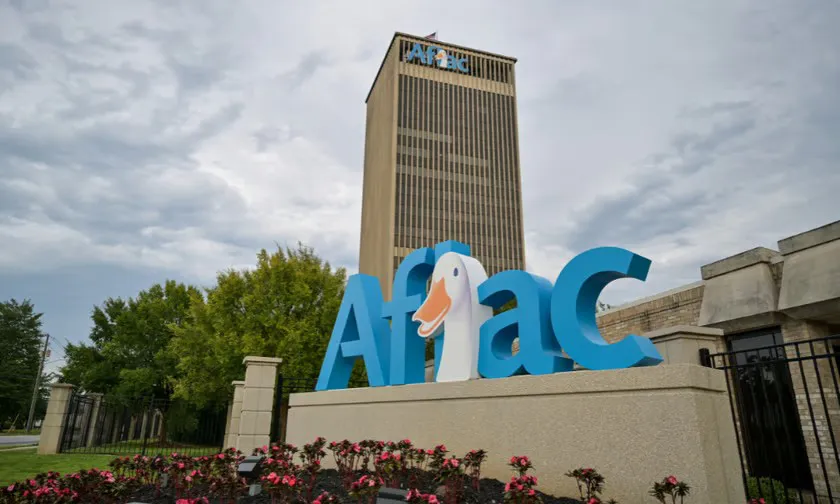
In the evolving landscape of supplemental health insurance, Aflac Incorporated has emerged with notable growth figures from its U.S. operations. For the second quarter of 2026, the company reported a 2.3% increase in net earned premiums, totaling $1.5 billion. This growth is particularly significant given the backdrop of soaring claims costs that are reshaping the insurance market. As employers grapple with the highest health benefit cost increases in 15 years, the implications for both insurance carriers and brokers require careful consideration.
Despite the positive sales figures, the reality of rising claims costs is squeezing profit margins, leading to a drop in pretax adjusted earnings by 4.6% to $370 million. The benefits and claims ratio climbed to 49.5% of net earned premiums, indicating that while sales are increasing, so too are the costs associated with fulfilling claims. This duality of growth amid rising costs presents both challenges and opportunities for brokers and employers navigating the complexities of employee benefits.
A Deep Dive into Rising Claims Costs
The surge in claims costs is not isolated to Aflac; it reflects a broader trend affecting the entire insurance industry. According to Mercer’s 2025 National Survey of Employer-Sponsored Health Plans, health benefit costs are projected to rise by 6.5% per employee in 2026, marking the steepest increase in over a decade. This trend is forcing employers to reassess their health plans and, in many cases, shift more financial responsibility onto employees.
The Impact of Employer Strategies
Employers are increasingly raising deductibles and altering plan structures as a strategy to manage their own rising health care spending. This shift has a direct correlation with the growing demand for supplemental health insurance products. As employees find themselves responsible for higher out-of-pocket costs, the appeal of supplemental benefits—like those offered by Aflac—grows significantly. This creates a cyclical pattern: as primary plans become more expensive and less comprehensive, the demand for supplemental coverage increases.
- Net Premiums: Aflac's U.S. net earned premiums increased by 2.3% to $1.5 billion.
- Claims Ratio: The benefits and claims ratio rose to 49.5%, up from 47.3%.
- Sales Growth: New annualized premium sales rose by 2.6% to $349 million.
- Profit Margins: Aflac's pretax adjusted profit margin narrowed from 22.5% to 20.9%.

The Role of Brokers in Client Education
The responsibility now falls on brokers to effectively communicate these changing dynamics to their clients. A proactive approach is essential. Brokers should emphasize to their clients that as employers increase employee financial responsibility through higher deductibles, their employees are likely to seek supplemental coverage to fill the gaps. This creates a scenario where claims utilization increases, which in turn affects renewal pricing and profit margins.
Communication Strategies
A broker who can articulate these trends provides a defensible, evidence-based rationale for any increases in insurance premiums. For instance, discussing how the increase in claims usage is a direct response to elevated out-of-pocket costs can help clients understand the necessity for supplemental coverage. Conversely, waiting for clients to inquire about price hikes can lead to confusion and dissatisfaction, making the broker's role even more critical.
Aflac’s Performance Metrics: A Closer Look
Over the first half of 2026, Aflac's U.S. net earned premiums rose by 2.9% to $3.1 billion. However, pretax adjusted earnings fell slightly, down 1.7% to $733 million, indicating the pressures of rising costs on profitability. The company also returned $1.3 billion to shareholders, primarily through share repurchases and dividends, which signals confidence in its long-term strategy despite short-term profitability challenges.
International Performance
Aflac's performance isn't limited to the U.S. market. Its Japan segment reported pretax adjusted earnings of 118.2 billion yen, with a profit margin increase to 34.3%. However, due to currency fluctuations, this represented a 6.2% decline in dollar terms. This highlights the importance of being aware of external economic factors that can impact overall corporate profitability.

Future Trends in Supplemental Health Insurance
The ongoing shifts in employer-sponsored health plans and the accompanying rise in claims costs suggest that the supplemental health insurance market will continue to expand. Aflac, as the leading provider in this space, is well-positioned to capitalize on these trends, especially as it continues to innovate in its product offerings.
Innovating for the Future
With a keen focus on evolving employer and employee needs, Aflac is pursuing a strategy that includes not only enhancing its supplemental products but also ensuring they are accessible and valuable. As organizations look for ways to retain talent amidst increasing healthcare costs, supplemental insurance may become a key component of overall employee compensation packages. Brokers should keep this trend on their radar and prepare clients for the potential need for more comprehensive benefit offerings.

Key Takeaways
- Aflac's U.S. supplemental health sales are growing, yet claims costs are rising sharply.
- Brokers must proactively educate clients about the relationship between employer cost-shifting and demand for supplemental coverage.
- The insurance market is experiencing significant shifts, with implications for both profitability and employee benefits.
- Aflac remains committed to enhancing its offerings while managing rising claims costs.
- External factors, such as currency fluctuations, can impact overall company performance.
Frequently Asked Questions
What are voluntary benefits, and why are they important?
Voluntary benefits are insurance products that employees can choose to purchase through their employer, often at a group rate. They include supplemental health insurance, dental and vision plans, and disability coverage. These benefits are important because they provide employees with additional financial protection against unforeseen health expenses, especially as employers shift more costs to workers through higher deductibles and copays.
How can brokers effectively communicate changes in insurance costs to clients?
Brokers can communicate changes effectively by providing clear data and explanations about the factors driving premium increases. This includes discussing the rising claims costs due to higher employee deductibles and the resulting demand for supplemental coverage. Presenting this information in a transparent manner helps build trust and understanding between brokers and their clients.
What trends are shaping the supplemental health insurance market?
Several trends are influencing the supplemental health insurance market, including rising health plan costs, shifting financial responsibility from employers to employees, and an increasing demand for comprehensive benefits. Additionally, the growing awareness of the importance of supplemental coverage in filling gaps in primary health insurance is prompting both employers and employees to consider these products more seriously.
What should employers consider when evaluating their employee benefits packages?
Employers should consider the overall cost of their benefits packages, employee needs, and market trends when evaluating their offerings. Understanding the financial pressures on employees can guide employers in selecting benefits that provide value and enhance employee satisfaction. They should also assess how supplemental benefits can complement primary health plans to create a more comprehensive benefits package that meets the diverse needs of their workforce.
Comments
FDA Enhances Regulation of Food Additives to Ensure Safety
The FDA's new proposed rule aims to increase oversight of food additives, mandating that food manufacturers notify the agency of their Generally Recognized as Safe (GRAS) designations. This move is part of a broader initiative to enhance consumer confidence in food safety.
Related articles


Popular in Health Insurance
- Humana's Medicare Advantage Growth and Strategic Developments: Q2 2026 Insights
- FDA Calls for Enhanced Oversight in Infant Formula Supply Chain
- Abbott Laboratories Faces Cybersecurity Challenges: What It Means for Healthcare
- Surge in Cyclosporiasis Cases in Michigan: A Deep Dive into the Outbreak
- Liberty Mutual Targets New York Clinics in $1.5M No-Fault Billing Scheme Lawsuit