FDA Enhances Regulation of Food Additives to Ensure Safety
The FDA's new proposed rule aims to increase oversight of food additives, mandating that food manufacturers notify the agency of their Generally Recognized as Safe (GRAS) designations. This move is part of a broader initiative to enhance consumer confidence in food safety.
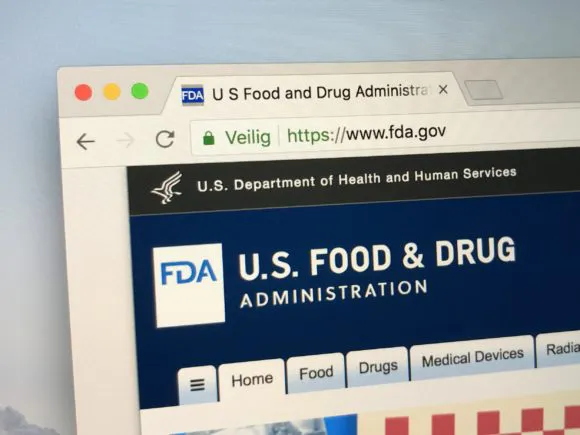
In a significant move aimed at bolstering consumer safety and transparency, the U.S. Food and Drug Administration (FDA) announced a proposed rule on August 11, 2026, mandating that food manufacturers notify the agency when they classify a food additive as "Generally Recognized as Safe" (GRAS). This regulatory shift is part of the broader "Make America Healthy Again" (MAHA) initiative, championed by President Donald Trump and Health and Human Services Secretary Robert F. Kennedy Jr. The MAHA initiative seeks to prioritize public health and safety as it relates to food consumption and other health-related policies.
The FDA's proposed rule marks a significant change in how food additives are regulated in the U.S. Previously, companies could self-affirm the safety of their ingredients without full government review, a practice that has been in place since the Food Additives Amendment of 1958. This self-affirmation process created an information gap, leaving consumers and health officials unaware of the actual number of chemicals present in everyday food products. The proposed rule aims to close this gap, fostering greater transparency in the food supply.

Understanding the GRAS Designation
The GRAS designation is a crucial element in the U.S. food safety landscape. Under current regulations, food manufacturers can independently determine that a substance is GRAS based on its history of safe use or scientific evidence. However, this self-regulation has been met with criticism, as there is minimal oversight regarding how these determinations are made. Common ingredients that have been classified as GRAS include canola oil, black pepper, and vinegar.
With the new proposed rule, the FDA aims to implement a mandatory notification system that requires manufacturers to formally communicate their GRAS determinations to the agency. This change is expected to enhance the FDA's ability to monitor food additives and ensure that consumers are better informed about the ingredients in their food.

Implications for Food Manufacturers
The implications of this new rule are significant for food manufacturers. Companies will now have to navigate a more complex regulatory landscape, which may require additional resources and processes to ensure compliance. Key changes include:
- Mandatory Notifications: Food manufacturers must notify the FDA of any GRAS designations.
- Increased Transparency: The FDA will create a public inventory of GRAS notifications, allowing consumers to access information about food additives.
- Expanded Oversight: The FDA will have improved visibility into the safety of food additives, potentially leading to more rigorous evaluations.
Manufacturers will need to reassess their internal compliance mechanisms to ensure they can meet these new requirements. Failure to comply could result in penalties, product recalls, or legal challenges, underscoring the importance of adapting to this regulatory change.

The Role of Consumer Advocacy
This regulatory shift has been welcomed by consumer advocacy groups, which have long called for increased oversight of food additives. Advocates argue that the current system has allowed potentially harmful substances to enter the food supply without adequate safety evaluations. The FDA's proposed rule is seen as a step towards holding manufacturers accountable for the safety of their products.
Health and Human Services Secretary Robert F. Kennedy Jr. emphasized the importance of this change during a press event, stating, "We don’t even know exactly how many chemicals are in the food that Americans eat every day." By requiring manufacturers to disclose their GRAS determinations, the FDA aims to restore consumer confidence in the safety of food products.
Next Steps and Public Involvement
The FDA has opened a 120-day comment period for the proposed rule, inviting feedback from stakeholders, including food manufacturers, health professionals, and consumers. Stakeholders are encouraged to share their perspectives on the rule's implications and effectiveness. This collaborative approach is essential for shaping regulations that protect public health while considering the operational realities of food manufacturing.
Additionally, the FDA is also working on establishing a definition for ultra-processed foods, which may further impact the food industry. The details surrounding this definition are expected to be released in the coming months.

Conclusion: A New Era in Food Safety
The FDA's proposed rule regarding food additives represents a pivotal moment in U.S. food safety regulation. By shifting to a mandatory notification system for GRAS designations, the FDA is taking significant steps to enhance consumer safety, increase transparency, and hold food manufacturers accountable for the safety of their products. As this regulatory framework evolves, both consumers and manufacturers will need to stay informed and engaged to adapt to the changing landscape of food safety.
Key Takeaways
- The FDA has proposed a new rule requiring mandatory notification for GRAS designations.
- This change aims to increase transparency and consumer confidence in food safety.
- Food manufacturers must adapt to new compliance requirements to avoid penalties.
- Public feedback is encouraged during the 120-day comment period.
- The FDA is also considering a definition for ultra-processed foods, affecting future regulations.
Frequently Asked Questions
What does GRAS mean?
GRAS stands for "Generally Recognized as Safe." It is a designation used by the FDA to indicate that a substance added to food is considered safe based on a long history of use or scientific evidence. Under the proposed rule, food manufacturers must notify the FDA when they classify a substance as GRAS, enhancing regulatory oversight.
How will this change impact food prices?
While it is difficult to predict the exact impact on food prices, the new regulatory requirements may lead to increased compliance costs for manufacturers. These costs could potentially be passed on to consumers in the form of higher prices. However, the long-term benefits of enhanced food safety and transparency may outweigh these initial costs.
Can consumers participate in the comment period?
Yes, the FDA has opened a 120-day comment period for the proposed rule, allowing consumers to provide feedback and share their opinions. This is an important opportunity for the public to influence food safety regulations and ensure that their concerns are heard by regulatory authorities.
What other changes are expected in food safety regulations?
In addition to the proposed rule on GRAS designations, the FDA is also working on a definition for ultra-processed foods. This may lead to further regulations aimed at improving food safety and consumer awareness. Stakeholders in the food industry will need to stay informed about these developments to ensure compliance and adapt their practices accordingly.
Comments
Aflac's Growth Amid Rising Claims Costs: What It Means for Employers and Brokers
Aflac reported strong growth in US supplemental health sales, but rising claims costs are squeezing margins. As employer health benefit costs surge, brokers face challenges in managing client expectations and coverage decisions.
Related articles


Popular in Health Insurance
- Humana's Medicare Advantage Growth and Strategic Developments: Q2 2026 Insights
- FDA Calls for Enhanced Oversight in Infant Formula Supply Chain
- Abbott Laboratories Faces Cybersecurity Challenges: What It Means for Healthcare
- Surge in Cyclosporiasis Cases in Michigan: A Deep Dive into the Outbreak
- Liberty Mutual Targets New York Clinics in $1.5M No-Fault Billing Scheme Lawsuit