Understanding Coverage Extensions: Key to Successful Commercial Property Insurance
Coverage extensions in commercial property insurance can significantly impact claims outcomes. This article explores their importance, common misconceptions, and the implications for brokers and insurers.

In the intricate world of commercial property insurance, the smallest details often have the most significant consequences. Coverage extensions—add-ons that enhance or modify the standard insurance policy—can be the difference between a successful claim and a disappointing denial. Despite their importance, many insurance brokers and professionals struggle to grasp the nuances of these extensions, leading to potential pitfalls that can jeopardize claims and expose clients to unintentional risks. As businesses evolve and their operations become increasingly complex, understanding these extensions is more critical than ever.
The need for clarity around coverage extensions is the focus of an upcoming webinar hosted by Sovereign Insurance in collaboration with Insurance Business. Titled "Extensions of Coverage: Small Details, Big Consequences," this event aims to illuminate the often-overlooked aspects of commercial property policies. Jose Landrove, a senior underwriting specialist at Sovereign’s National Resource Practice, will lead the discussion, emphasizing the necessity of understanding these extensions in today’s competitive market.
The Importance of Coverage Extensions
Coverage extensions serve to tailor an insurance policy to better fit the specific needs of a business. They can include provisions for additional risks, enhanced limits, or specific exclusions that align with a company’s unique operations. For example, a manufacturing firm might need coverage for machinery breakdowns, while a retailer may require protection against inventory loss from supply chain disruptions.
Common Coverage Extensions
- Business Interruption Insurance: Covers lost income due to a disruption in operations.
- Equipment Breakdown Coverage: Provides protection against mechanical failures.
- Pollution Liability: Offers coverage for environmental damage claims.
- Cyber Liability: Protects against data breaches and cyberattacks.
These extensions can significantly alter the scope of coverage. Yet, brokers often misinterpret or overlook their implications, leading to inadequate protection for clients. As Landrove points out, the failure to thoroughly evaluate these extensions can create gaps in coverage that leave businesses vulnerable during claims.

Challenges in Understanding Extensions
One of the issues affecting the understanding of coverage extensions is the evolving nature of business operations. As companies adapt to changes in market dynamics and technology, their insurance needs also shift. This constant evolution can lead to misunderstandings regarding what extensions are necessary or relevant. For instance, a company that has recently transitioned to a hybrid work model may not realize it needs additional coverage for remote work-related risks.
Additionally, brokers may feel pressured to adjust policy terms and extensions quickly to keep up with market competitiveness. This haste can result in unintended exposures if changes are made without fully understanding their implications. Landrove emphasizes that “improperly changing or adding extensions of coverage” can lead to significant liabilities for insurers and clients alike.
Best Practices for Brokers and Underwriters
To navigate the complexities of coverage extensions effectively, brokers and underwriters should adopt a proactive approach. Here are some best practices to consider:
- Thoroughly Review Policies: Regularly revisit the coverage extensions in clients’ policies to ensure they align with current business operations.
- Educate Clients: Help clients understand the importance of extensions and how they can enhance their coverage.
- Stay Informed: Attend webinars, workshops, and training sessions to keep up with industry changes and best practices.
- Use Real-World Examples: Illustrate potential coverage gaps with case studies to highlight the importance of proper extensions.
By implementing these practices, insurance professionals can better advise their clients and help them mitigate risks associated with inadequate coverage.

Real-World Implications
The consequences of neglecting coverage extensions can be severe. For instance, a company that fails to include business interruption insurance may face significant financial losses during an unexpected closure due to a natural disaster. Without this crucial extension, the business could struggle to recover, leading to layoffs, loss of customers, and long-term financial instability.
On the other hand, businesses that proactively address their coverage needs by leveraging extensions can enjoy peace of mind and improved financial security. For example, a tech startup that invests in cyber liability insurance will be better positioned to handle a data breach, minimizing reputational damage and financial losses.
Looking Ahead: The Future of Coverage Extensions
As the insurance landscape continues to evolve, the relevance of coverage extensions will only grow. New risks emerge regularly, driven by technological advancements, changes in regulation, and shifting economic conditions. Insurers and brokers must remain vigilant in adapting their policies to address these challenges.
Landrove’s upcoming webinar aims to foster greater awareness around these issues. By providing insights into the operation and impact of coverage extensions, attendees will gain valuable knowledge that can enhance their service offerings. The goal is to empower insurance professionals to make informed decisions that ultimately benefit their clients.

Key Takeaways
- Coverage extensions are vital in tailoring commercial property insurance to meet unique business needs.
- Misunderstandings surrounding these extensions can lead to significant gaps in coverage.
- Proactive education and regular policy reviews are essential for brokers and underwriters.
- Real-world examples can effectively illustrate the importance of proper coverage.
- Staying informed about industry changes is crucial for effective risk management.
Frequently Asked Questions
What are coverage extensions in commercial property insurance?
Coverage extensions are additional provisions added to a standard insurance policy that enhance or modify the coverage. They can include various types of coverage such as business interruption insurance, equipment breakdown coverage, and pollution liability. These extensions are crucial for tailoring insurance to meet the unique needs of a business, ensuring comprehensive protection against specific risks.
Why are coverage extensions often misunderstood?
Coverage extensions can be complex and may not always be well-defined in policy documentation. Additionally, as business operations evolve, the relevance of specific extensions may change, leading to confusion about their necessity. Brokers may also rush to adjust policies to remain competitive, resulting in improper application of extensions and potential coverage gaps.
How can brokers ensure they are using coverage extensions effectively?
Brokers can use several strategies to ensure effective use of coverage extensions. Regularly reviewing clients’ policies to align coverage with current operations is essential. Educating clients about the importance of these extensions, staying informed on industry developments, and utilizing real-world examples can help brokers provide better advice and mitigate risks associated with inadequate coverage.
What are the potential consequences of inadequate coverage extensions?
Inadequate coverage extensions can lead to significant financial losses for businesses during claims. For example, a lack of business interruption insurance can result in severe financial hardships during unexpected disruptions. Businesses may struggle to recover and face long-term impacts such as layoffs and loss of customers. Properly addressing coverage extensions is essential for ensuring financial stability and security.
Comments
Aon Launches $200 Million Capacity Platform for Transactional Risk Insurance
Aon's new platform, Sidecar X, introduces $200 million in dedicated capacity for representations and warranties and tax insurance, streamlining the transactional risk process. This innovative service aims to reduce costs and execution time for clients across multiple regions.
Related articles




Popular in Business Insurance
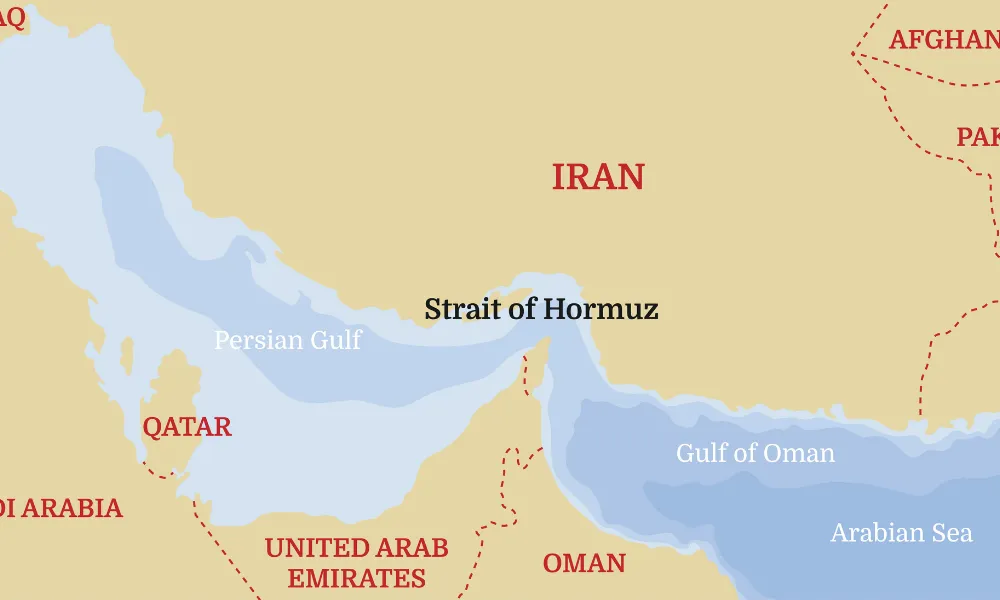
- Surging War-Risk Insurance Rates in the Strait of Hormuz: What It Means for Shipping
- Ross & Yerger Insurance Faces Class Action Over Data Breach Allegations
- Sompo Expands U.S. Workers' Compensation Portfolio with Service Insurance Acquisition
- Legal Battle Unfolds Over $1 Million Truck Crash Insurance Payout
- Howden Group's Ambitious Journey Toward IPO and Expansion