Marine Insurance Market Faces New Challenges Amid Trump’s Threats
President Trump’s recent threats against Oman have introduced further instability into the already volatile marine insurance landscape around the Strait of Hormuz. This article explores the implications for maritime operations and insurance practices.
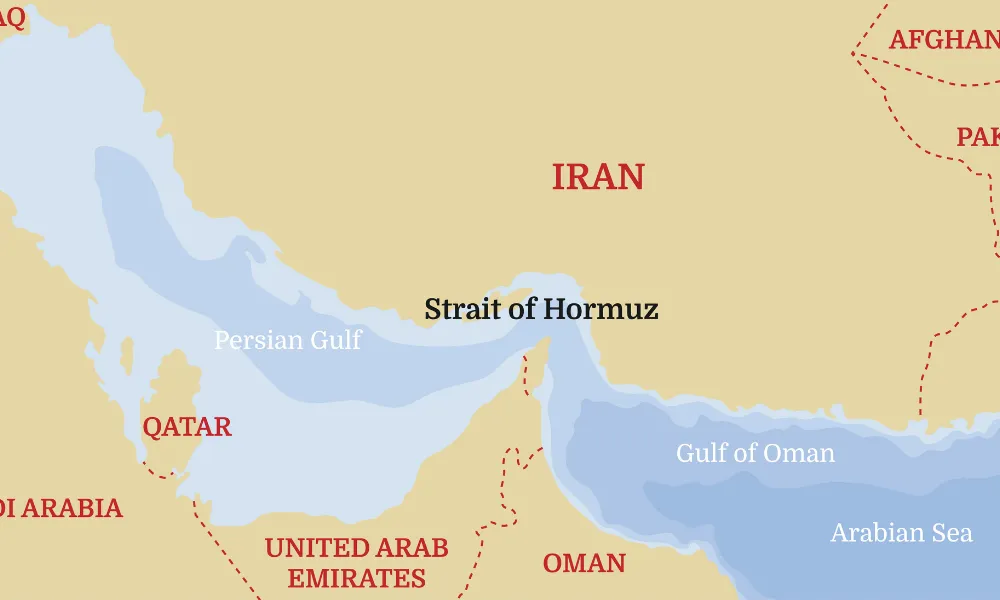
In a world where geopolitical tensions can significantly impact global trade, President Donald Trump’s recent threats against the Sultanate of Oman mark a new chapter in the ongoing instability surrounding the Strait of Hormuz. During an interview with Fox News, Trump stated that the United States would respond aggressively if Oman interfered with negotiations concerning Iran, specifically warning, "If Oman gets in the way, we'll bomb the s*** out of them." This alarming rhetoric not only escalates tensions in the region but also introduces fresh volatility into the marine insurance market that already grapples with significant disruptions.
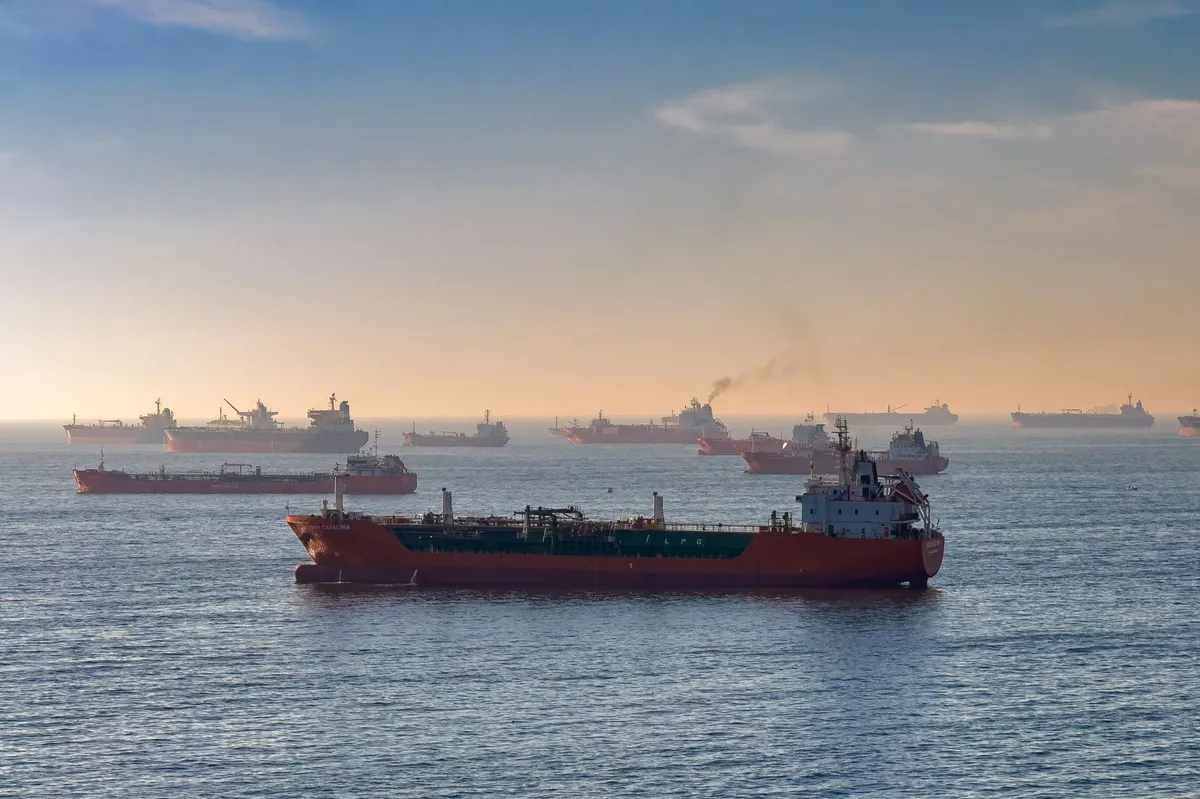
The Strait of Hormuz is a crucial maritime corridor, with around 20% of global petroleum liquids and one-fifth of worldwide liquefied natural gas passing through it. Recent months have seen a drastic decline in shipping traffic due to Iran's restrictions, exacerbated by the U.S.-Israel conflict with Tehran, which began in February 2025. Before the outbreak of hostilities, approximately 130 to 140 vessels traversed the strait daily; however, that figure plummeted to as few as eight vessels in recent reports. The implications are staggering, affecting not only the economies reliant on these energy exports but also the marine insurance sector tasked with underwriting the risks associated with transit through this perilous area.
The Role of Oman in Regional Stability
Oman has historically positioned itself as a neutral mediator in Middle Eastern conflicts, playing a vital role in diplomatic negotiations concerning shipping through the Strait of Hormuz. As a key ally of the United States, Oman has been engaged in efforts to ease tensions between Iran and the West, thereby helping to restore normal shipping operations. However, Trump's comments could jeopardize this delicate balance.
Experts in international relations warn that such threats complicate diplomatic negotiations. The recent understanding between Oman and Iran regarding shipping routes might be undermined by Washington’s aggressive posturing, potentially leading to further disruptions in maritime operations. With the U.S. administration indicating no fixed timeline for resolving the conflict with Iran, the uncertainty for marine insurers, shipowners, and logistics companies continues to grow.
War Risk Insurance: A Growing Concern
The marine insurance landscape has undergone significant upheaval since the beginning of the conflict. War risk premiums have risen sharply, reflecting the increasing dangers faced by vessels operating in the region. For instance, before the conflict, war risk premiums averaged around 0.25% of the vessel's value. However, in March 2025, these rates soared to about 3%, translating into millions of dollars in added costs for tankers valued between $200 million and $300 million.
Moreover, these premiums are not static; they are reviewed and adjusted frequently in response to changes in the geopolitical landscape. For example, in July, rates for vessels operating in the Gulf jumped from approximately 2% to nearly 3% in just a few days, reflecting the dynamic nature of the risk environment. Shipowners face significant financial exposure as coverage is typically written in seven-day increments, with the potential for adjustments every 24 to 48 hours.

The Impact on Shipping and Energy Markets
The ramifications of these developments extend beyond just insurance premiums. The U.S. Energy Information Administration highlights that oil flows through the Strait of Hormuz averaged 20.9 million barrels per day in the first half of 2025, accounting for a substantial portion of global consumption. However, during the second quarter of 2026, this figure plummeted to just 4.9 million barrels per day, highlighting the severe disruptions caused by the conflict.
The reduced shipping traffic has not only strained global energy markets but also led to increased prices and shortages in various sectors. With marine insurers navigating a landscape fraught with uncertainty, cargo owners and brokers are compelled to adapt quickly to changing circumstances, often resulting in heightened operational costs. The immediate future remains fraught with challenges, as even a formal agreement to reopen the Strait may not lead to immediate normalization of insurance pricing.
Insurance Capacity and Market Adjustments
Despite the turbulent conditions, marine insurance coverage remains available. The Lloyd's Market Association has confirmed that war insurance continues to be offered through Lloyd's and London company markets, with capacity being adjusted to meet current demands. In June 2025, Lloyd's announced the creation of a marine war risk consortium, providing an additional $200 million for hull and protection and indemnity (P&I) risks, alongside another $200 million dedicated to cargo capacity for vessels transiting Hormuz.
This proactive approach indicates that while the insurance landscape is fraught with risk, the industry is prepared to adapt. However, experts caution that even with increased capacity, the uncertainty surrounding diplomatic developments will likely keep war risk rates elevated for the foreseeable future. Insurers are bracing for potential renewed attacks or diplomatic breakdowns, making it imperative for shipowners to remain vigilant.
Key Takeaways
- Trump's Threats Heighten Tensions: The U.S. President's comments about Oman add new uncertainty to marine operations in the Strait of Hormuz.
- War Risk Premiums Surge: Premiums have skyrocketed from 0.25% to around 3%, significantly increasing operational costs for shipowners.
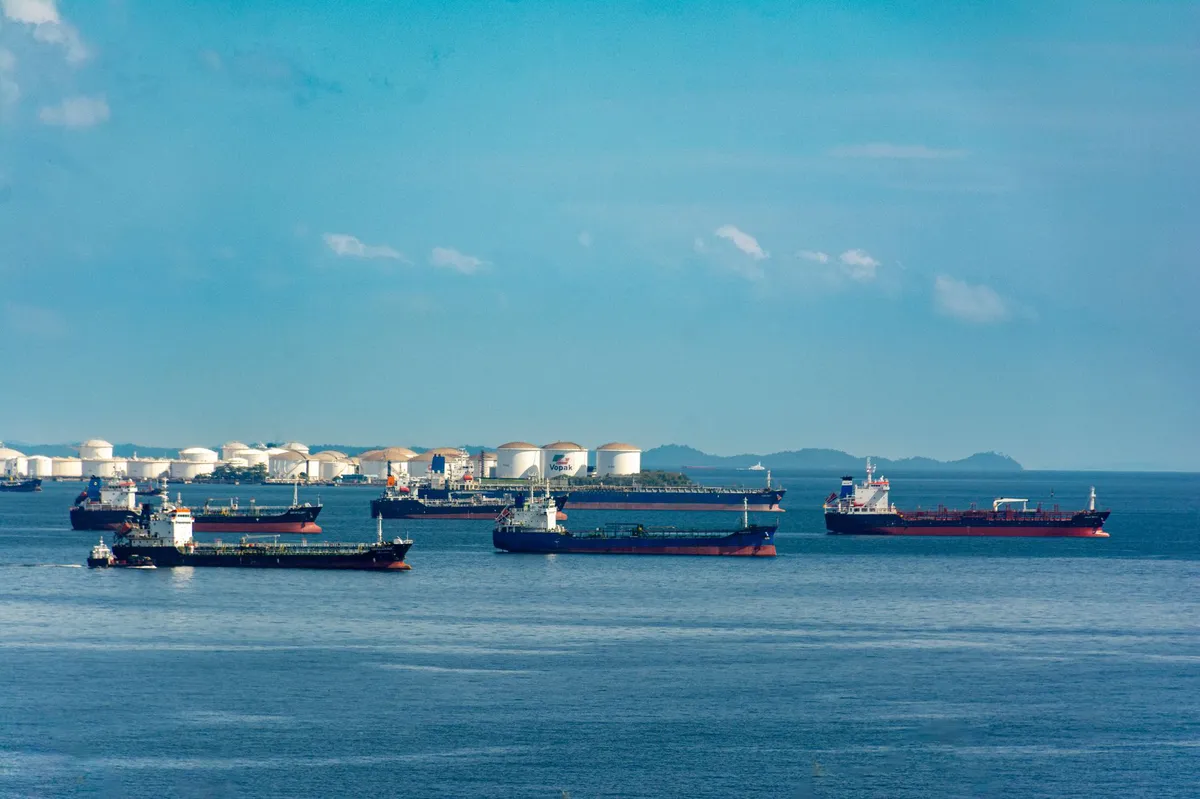
- Shipping Traffic Plummets: Daily vessel traffic through Hormuz has dropped from approximately 140 to as few as 8 ships.
- Insurance Capacity Adjustments: Lloyd's has increased capacity to manage risks, but prices may remain high due to ongoing geopolitical tensions.
- Uncertain Future: Even if agreements are reached, the normalization of insurance pricing may take time due to lingering risks.
Frequently Asked Questions
What does Trump's threat against Oman mean for marine insurance rates?
Trump's threat against Oman has exacerbated an already volatile situation in the Strait of Hormuz, leading to an increase in war risk premiums. Insurers are now facing heightened uncertainty, which can lead to rapid adjustments in pricing as the geopolitical landscape changes. As a result, shipping companies may experience substantial increases in operational costs, significantly impacting their bottom line.
How has shipping traffic been affected in the Strait of Hormuz?
The Strait of Hormuz has seen a dramatic decline in shipping traffic due to geopolitical tensions and restrictions imposed by Iran. Before the conflict, around 130 to 140 vessels crossed the strait daily, but this number has fallen to as low as eight, indicating severe disruptions. This decline not only affects global energy supplies but also underscores the risks associated with navigating this critical maritime passage.
What steps are marine insurers taking to manage the risks in this environment?
Marine insurers are actively monitoring the geopolitical situation and adjusting their war risk premiums accordingly. The Lloyd's Market Association has increased capacity to meet the demands of the current crisis, providing additional coverage for hull and P&I risks. Insurers are also implementing frequent reviews of rates to reflect the changing risk landscape, ensuring that they remain responsive to emerging threats.
Will insurance rates normalize once the conflict is resolved?
Even if an agreement is reached to reopen the Strait of Hormuz, experts believe that war risk premiums may not return to pre-conflict levels immediately. Insurers are likely to maintain elevated rates due to the potential for renewed attacks or diplomatic failures. Therefore, companies operating in the region should prepare for a prolonged period of high insurance costs.
Comments
Aon Launches $200 Million Capacity Platform for Transactional Risk Insurance
Aon's new platform, Sidecar X, introduces $200 million in dedicated capacity for representations and warranties and tax insurance, streamlining the transactional risk process. This innovative service aims to reduce costs and execution time for clients across multiple regions.
Related articles





Popular in Business Insurance
- Surging War-Risk Insurance Rates in the Strait of Hormuz: What It Means for Shipping
- Ross & Yerger Insurance Faces Class Action Over Data Breach Allegations
- Sompo Expands U.S. Workers' Compensation Portfolio with Service Insurance Acquisition
- Legal Battle Unfolds Over $1 Million Truck Crash Insurance Payout
- Howden Group's Ambitious Journey Toward IPO and Expansion