Navigating Workers' Comp Risks Amid the 2026 FIFA World Cup's Extreme Heat
As the 2026 FIFA World Cup approaches, extreme heat may elevate workers' compensation claims. Experts emphasize that staffing complexities could pose greater risks than heat illness itself.
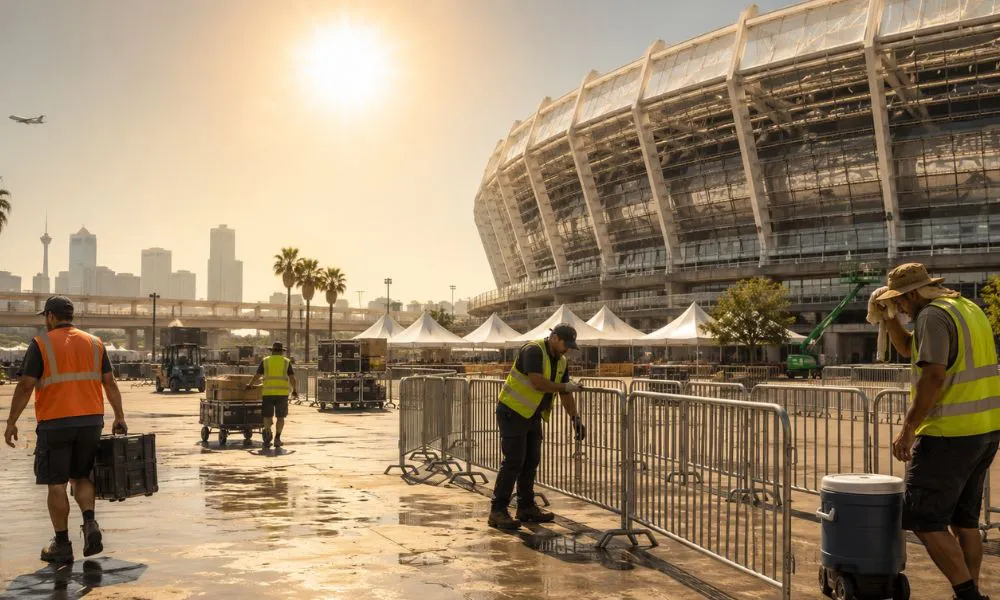
The 2026 FIFA World Cup is set to be a historic event, featuring 48 teams and spanning three countries: the United States, Canada, and Mexico. However, as preparations ramp up, a looming concern has emerged in the realm of workers' compensation. While extreme heat has grabbed headlines, insurance specialists warn that the intricate web of temporary staffing required for such a colossal event may present the most significant risks for employers. As temperatures soar, understanding the intersection of heat exposure, staffing dynamics, and potential workers' comp claims becomes essential for everyone involved — from event organizers to attendees.
This upcoming World Cup marks a pivotal moment in sports history, not only due to its expanded format but also because it will test the limits of operational efficiency amid increasingly severe weather patterns. With the National Weather Service predicting heat indices that could reach as high as 115°F in certain regions, the stakes have never been higher for the safety and well-being of the temporary workforce that will run the event.
Understanding the Heat Hazard
Extreme heat is a well-documented workplace hazard, particularly for outdoor laborers. According to the National Safety Council, there were 48 work-related deaths attributed to environmental heat in 2024 alone, alongside over 7,100 cases leading to days away from work, restricted duties, or transfers (DART cases) across 2023 and 2024.
However, as Mark Walls, Vice President of Client Engagement at Safety National, points out, the direct impact of heat on workers' compensation claims may not be as severe as anticipated. Many employers already have protocols in place to mitigate heat-related risks, such as:
- Providing ample hydration and access to water stations
- Setting up shaded or air-conditioned rest areas
- Implementing shift rotations to minimize exposure
- Training employees to recognize the signs of heat exhaustion
“I don’t see the heat creating any greater exposures than what already exists in terms of just the size and scale of events like this,” Walls stated. Hence, while extreme temperatures may heighten discomfort, they don't automatically translate into increased claims if proper safety measures are followed.
The Staffing Challenge
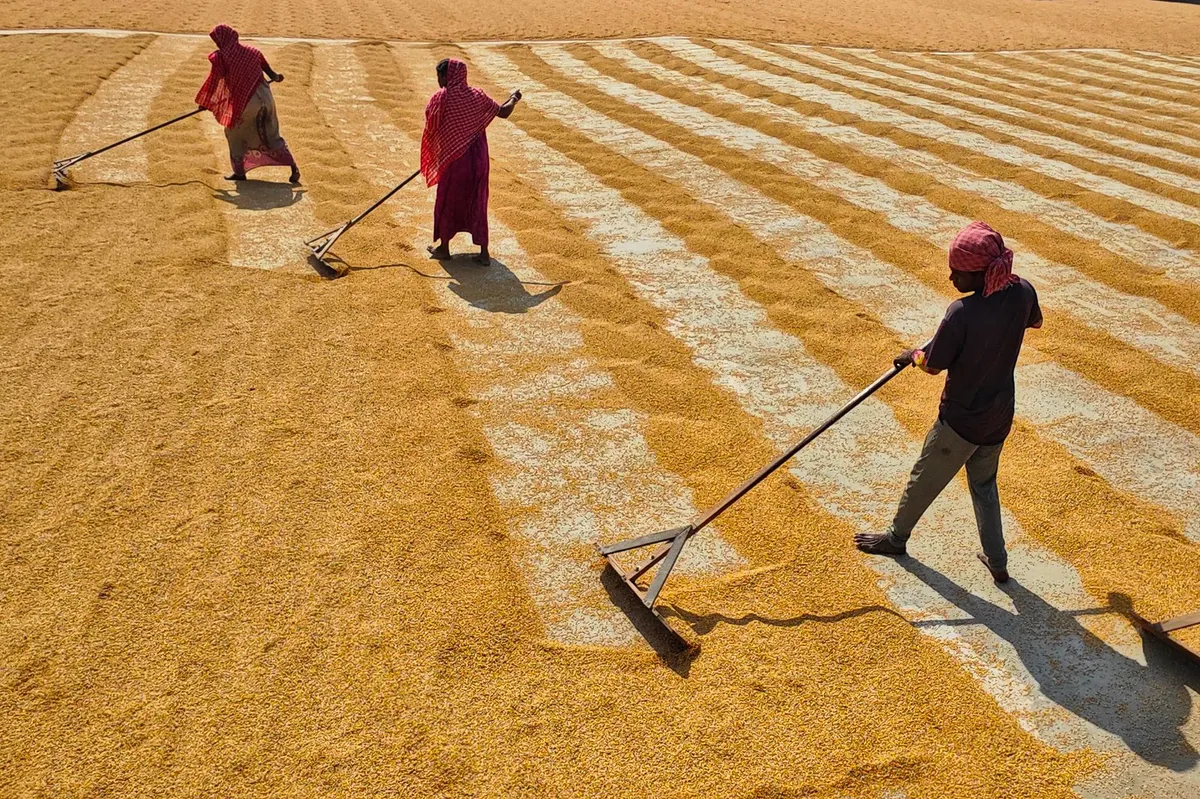
The real challenge lies with the vast temporary workforce that events of this scale necessitate. The logistics of hiring and training a large number of new employees can be daunting, particularly when many of them may lack experience in high-stress, high-traffic environments. Statistics reveal that newer workers typically have a higher injury rate, which raises concerns for World Cup-related employers.
“You’ve got a whole lot of people who are mostly new employees with not a lot of training,” Walls explained. “Statistically speaking, newer workers have a higher injury rate, which could create a situation where you would expect there to be perhaps a higher-than-usual accident rate.” The risk further escalates in high-demand roles such as concession workers, ticket takers, and custodial staff, where injuries may not be severe but could still lead to significant claims.
Seasonal Workers and Training Gaps
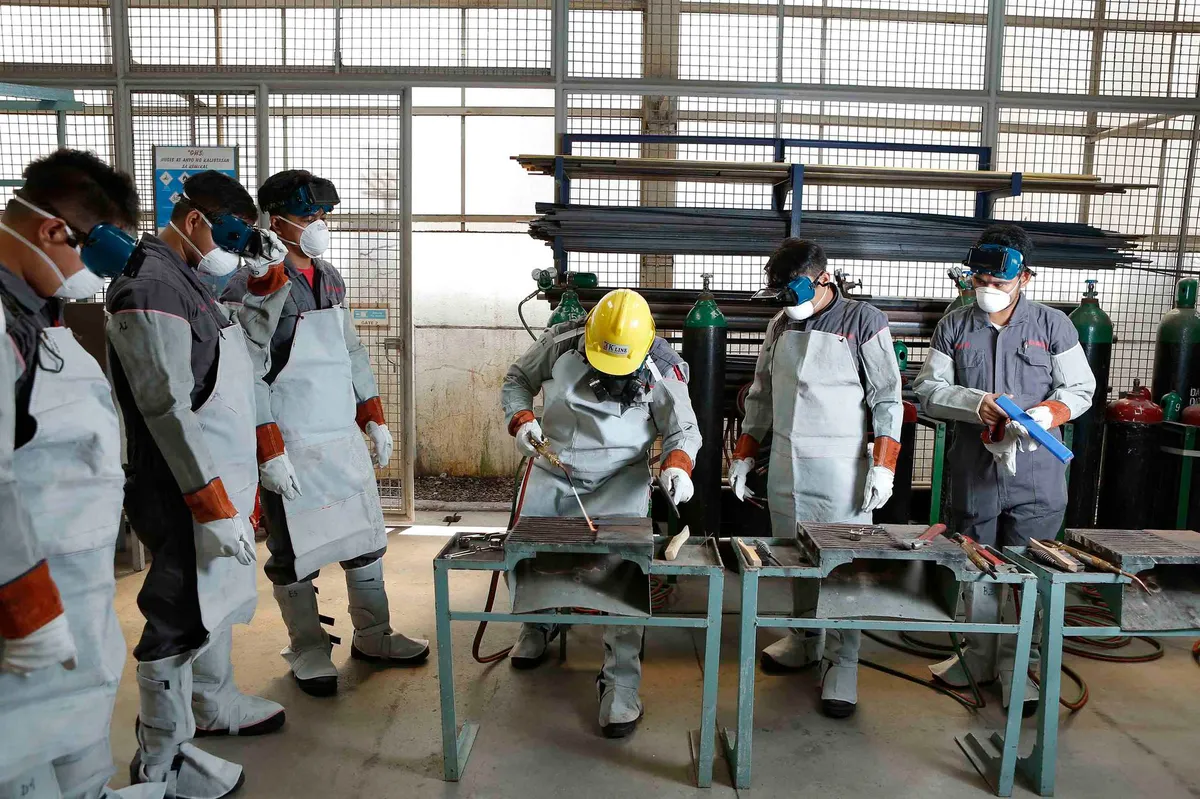
Seasonal laborers, often recruited for their flexibility and availability, may not receive adequate training before the event. This gap can lead to errors and accidents, especially in crowded, chaotic environments typical of sporting events. As the event approaches, employers must prioritize training programs that not only cover job-specific tasks but also include safety protocols tailored to extreme heat conditions.
Indirect Effects of Heat
While direct heat illnesses may be mitigated with proper protocols, indirect effects of rising temperatures cannot be overlooked. Research by the Workers Compensation Research Institute has shown that the probability of work-related accidents increases by 5% to 6% when maximum daily temperatures exceed 90°F. This risk is particularly pronounced in the southern regions of the United States and among construction workers. The findings suggest that the higher incidence of accidents during the summer months may be attributed to both heat stress and the nature of outdoor work during this season.
Operational and Economic Risks
Companies like Swiss Re are increasingly recognizing that extreme heat is not just a health concern; it is an operational and economic risk that could have cascading effects on the broader infrastructure supporting events like the World Cup. As Adrian Hall, CEO USA at Swiss Re Corporate Solutions, noted, “Extreme heat is no longer simply a weather issue. It is increasingly an operational and economic risk.”
Large-scale events rely heavily on interconnected systems, including power, transportation, and hospitality, all of which could face strain under extreme weather conditions. The ramifications of these interconnected risks can lead to unexpected costs and operational disruptions, affecting not only the event's success but also the financial stability of the businesses involved.

The Regulatory Landscape
Adding another layer of complexity is the evolving regulatory landscape surrounding workplace heat exposure. The Occupational Safety and Health Administration (OSHA) has proposed a Heat Injury and Illness Prevention standard, which aims to require employers to develop and implement strategies for managing heat hazards. However, this rulemaking process has stalled, leaving employers in a state of uncertainty regarding compliance and liability.
For World Cup employers, understanding the implications of these regulations is crucial. As the event unfolds, employers must remain vigilant and proactive in creating a safe work environment, especially as public scrutiny of heat-related incidents intensifies.
Key Takeaways
- Workers' Comp Claims Risk: The complexity of staffing a large event like the World Cup could lead to increased workers' compensation claims.
- Heat Management Protocols: Many employers already implement safety measures to address heat-related risks.
- Temporary Labor Challenges: A reliance on inexperienced seasonal workers may heighten the risk of accidents.
- Regulatory Concerns: Evolving regulations regarding heat exposure add another layer of complexity for employers.
- Economic Implications: Extreme heat poses not just health risks but also operational and economic challenges for large-scale events.
Frequently Asked Questions
How can employers prepare for heat-related risks during the World Cup?
Employers should develop comprehensive heat management plans that include training for temporary workers, access to hydration, shaded rest areas, and regular health checks. By implementing these measures, they can help mitigate the risks associated with extreme heat and ensure a safer work environment.
What types of claims are most likely to arise from temporary staffing at large events?
Claims may arise from various incidents, including slips, trips, falls, and heat-related illnesses. Due to the inexperience of many temporary workers, employers should be particularly attentive to safety protocols to reduce the likelihood of accidents and subsequent claims.
What is the current status of OSHA's heat regulation proposal?
The proposed Heat Injury and Illness Prevention standard is currently stalled, leaving employers uncertain about compliance requirements. Employers should stay informed about developments and consider proactively implementing safety measures to protect their workers from heat hazards.
Comments
Canada's Population Decline: Impacts on Workforce Strategy and Talent Acquisition
Canada is facing an unprecedented population decline, raising significant concerns for workforce strategies and talent acquisition. As immigration slows and the workforce ages, organizations must rethink their approaches to retain talent and fill critical roles.

Related articles







Popular in Business Insurance
- Surging War-Risk Insurance Rates in the Strait of Hormuz: What It Means for Shipping
- Ross & Yerger Insurance Faces Class Action Over Data Breach Allegations
- Sompo Expands U.S. Workers' Compensation Portfolio with Service Insurance Acquisition
- Legal Battle Unfolds Over $1 Million Truck Crash Insurance Payout
- Howden Group's Ambitious Journey Toward IPO and Expansion