Closing the Leadership Gap: Elevating Black Voices in Insurance
The insurance industry faces a critical challenge in diversifying its leadership ranks. NAAIA's Omari Aarons-Martin emphasizes the need to recognize and elevate existing Black talent, rather than seeking new hires.
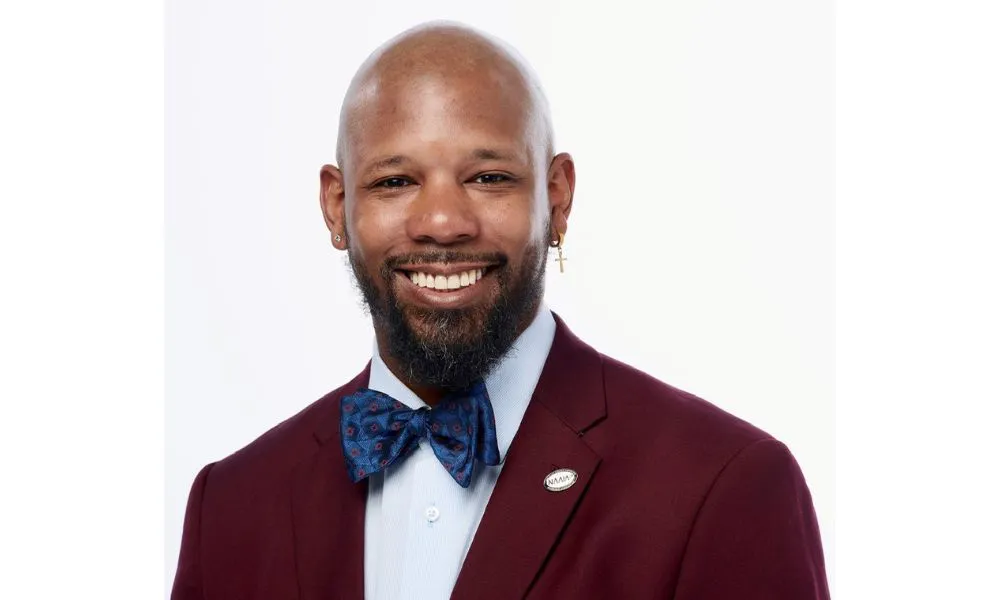
The insurance industry, often seen as a bastion of stability, is grappling with a pressing issue: the lack of Black representation in its leadership ranks. Omari Aarons-Martin, president and CEO of the National African American Insurance Association (NAAIA), argues that the solution lies not in searching for new talent, but in recognizing and promoting the qualified individuals already within organizations. As the insurance sector evolves, driven by technological advancements and changing workplace dynamics, the urgency for diversity, equity, and inclusion (DEI) initiatives becomes more pronounced.
Aarons-Martin’s insights come at a pivotal moment. The NAAIA has seen remarkable growth, expanding from under 800 members in 2009 to more than 3,400 across 33 chapters, including a record 10 new chapters in just one year. This surge reflects a growing need for community and connection among Black insurance professionals, particularly in an increasingly remote work environment that has diminished informal mentorship opportunities. As Aarons-Martin notes, the loss of casual interactions—once vibrant sources of professional advice and camaraderie—has created a palpable sense of isolation. This isolation is especially felt by African American professionals who traditionally thrive on collective support, as encapsulated in the African proverb, "It takes a village to raise a child."

The Current State of Diversity in Insurance
Despite the insurance industry's efforts to promote diversity, the statistics reveal a troubling narrative. Many Black and African American professionals find themselves entrenched in middle management, struggling to ascend to senior and executive roles. Aarons-Martin's work with various insurance carriers and brokerages highlights a common theme: the barriers to advancement are not rooted in a lack of skill or capability, but rather in an issue of visibility.
Understanding Visibility in the Workplace
Visibility plays a crucial role in career advancement. It encompasses being recognized for one’s contributions, being included in strategic discussions, and being considered for leadership opportunities. Aarons-Martin advocates for a systemic audit of existing talent pools within organizations to identify individuals who are often overlooked. For instance, an employee with an MBA might find themselves in a front-line customer service role—underutilized and underappreciated. This underemployment is indicative of a broader issue where rigid career paths hinder talented individuals from progressing, even when they possess the requisite skills and experience.

Evaluating DEI Initiatives
The findings from NAAIA’s research partnership with Marsh underscore the stagnation in diversity representation within the insurance sector. The studies, which began with the 2018 “Journey of African American Insurance Professionals” and continued with the 2023 report “Next Steps on the Journey: Are We There Yet?” reveal that while DEI initiatives have proliferated, they have not led to significant changes in leadership demographics.
Addressing the Gaps
According to Aarons-Martin, organizations must transition from merely checking boxes on their DEI initiatives to genuinely engaging with their workforce. Programs such as employee resource groups and unconscious bias training are valuable but must be complemented by a continuous examination of who is making decisions within the organization. It is essential to ensure diverse voices are included at leadership tables to foster informed decision-making.
- Audit existing talent: Assess current employees for potential leadership roles.
- Encourage mentorship: Re-establish informal mentorship and networking opportunities.
- Revise career paths: Adapt rigid entry-level tracks to allow for more lateral and upward mobility.
- Focus on visibility: Create opportunities for employees to showcase their skills and contributions.
- Track progress: Regularly evaluate the effectiveness of DEI initiatives.

The Role of Technology in Advancing Inclusion
As the insurance sector continues to embrace advancements in technology, particularly artificial intelligence (AI) and automation, Aarons-Martin emphasizes the importance of human capital. He argues that the collective intelligence and creativity of engaged employees remain the industry’s most valuable asset. The relationship between people and technology should be viewed as complementary, with technology serving as a tool to enhance human capabilities, not replace them.
Harnessing Human Capital
For Aarons-Martin, prioritizing people over technology is essential for creating an inclusive workplace. He asserts that if organizations maintain this perspective, they can effectively leverage their human resources to foster innovation and growth. The NAAIA’s commitment to developing its members reflects this philosophy, as the organization actively provides resources for mentorship and career navigation tailored to Black professionals in the insurance industry.
Moving Forward: A Call to Action
The path to closing the leadership gap in the insurance industry requires a paradigm shift among its leaders. Aarons-Martin encourages insurance executives to move beyond the fear of making mistakes in conversations about race and inclusivity. Instead, he urges them to cultivate genuine curiosity about the talent present within their organizations. By inviting diverse perspectives into leadership discussions, companies can unlock the full potential of their workforce.
As the insurance industry faces unprecedented challenges and transformations, fostering a diverse and inclusive leadership team is not just a moral imperative but a strategic advantage. Embracing the rich tapestry of talent that exists within organizations will ultimately lead to better decision-making, enhanced innovation, and a more equitable workplace.

Key Takeaways
- Recognize internal talent: Evaluate existing employees for leadership potential.
- Foster community: Rebuild informal networks to support mentorship and collaboration.
- Revise career structures: Adapt traditional career pathways to allow for greater mobility.
- Commit to ongoing evaluation: Regularly assess the effectiveness of DEI initiatives.
- Prioritize human capital: Place people at the forefront of technological advancements.
Frequently Asked Questions
What is the NAAIA and its purpose?
The National African American Insurance Association (NAAIA) is a nonprofit organization dedicated to promoting the professional growth of African Americans in the insurance industry. Through networking, mentorship, and advocacy, NAAIA aims to foster diversity and inclusion within the sector, addressing the leadership gap faced by Black professionals.
Why is visibility important in advancing careers?
Visibility is crucial for career advancement as it allows employees to be recognized for their contributions and considered for leadership opportunities. When organizations prioritize visibility, they empower their employees to showcase their skills and capabilities, ultimately facilitating their progression into higher roles.
What strategies can organizations implement to enhance diversity and inclusion?
Organizations can enhance diversity and inclusion by auditing their talent pools for potential leaders, fostering informal mentorship opportunities, revising rigid career paths to allow for greater flexibility, and committing to ongoing evaluation of their DEI initiatives to ensure they are making meaningful progress.
How can technology support diversity initiatives?
Technology can support diversity initiatives by providing tools that enhance communication, facilitate mentorship, and track the effectiveness of DEI programs. However, it is essential to remember that technology should complement human efforts, with a focus on prioritizing people and their contributions to the organization.
Comments
Canada's Population Decline: Impacts on Workforce Strategy and Talent Acquisition
Canada is facing an unprecedented population decline, raising significant concerns for workforce strategies and talent acquisition. As immigration slows and the workforce ages, organizations must rethink their approaches to retain talent and fill critical roles.

Related articles







Popular in Business Insurance
- Surging War-Risk Insurance Rates in the Strait of Hormuz: What It Means for Shipping
- Ross & Yerger Insurance Faces Class Action Over Data Breach Allegations
- Sompo Expands U.S. Workers' Compensation Portfolio with Service Insurance Acquisition
- Legal Battle Unfolds Over $1 Million Truck Crash Insurance Payout
- Howden Group's Ambitious Journey Toward IPO and Expansion