Data Center Gas Plants: A Looming Emission Crisis for the US Power Sector
The rise of natural gas power plants tied to data centers threatens to significantly increase carbon emissions in the US, challenging climate commitments by major tech companies.
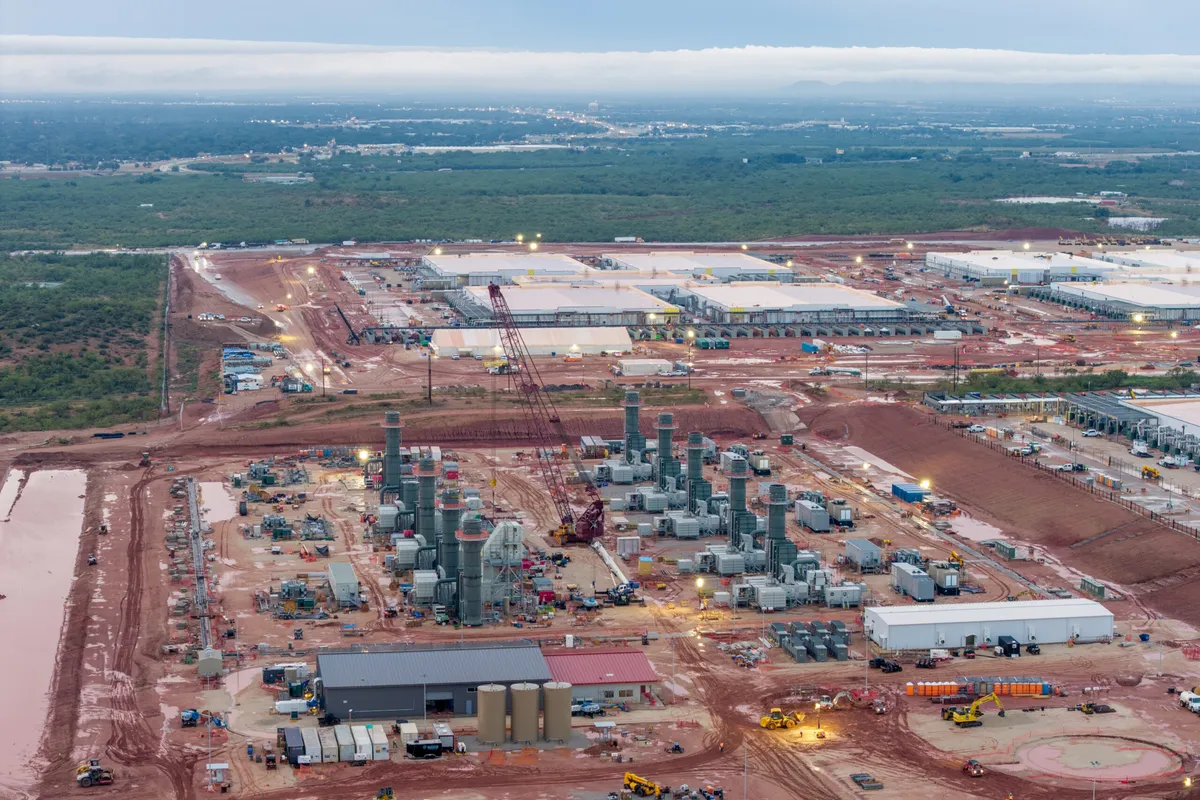
As the digital world expands at an unprecedented pace, the demand for power-hungry data centers has skyrocketed. These facilities, which house servers and storage systems for everything from cloud computing to artificial intelligence, are increasingly turning to bespoke natural gas power plants to meet their energy needs. A recent analysis from BloombergNEF reveals that if all proposed plants are built and operate at standard rates, they could add a staggering 318 million metric tons of carbon dioxide to the U.S. emissions tally annually. This represents a potential increase of 20% in total U.S. electric power emissions, posing significant challenges to corporate climate goals set by major technology companies.
In a landscape where the electricity grid is already under strain, the implications of this shift could be profound. With many states enacting moratoriums on new data center projects due to reliability concerns, developers are increasingly opting for 'behind-the-meter' projects—energy facilities that can be built without the approval of utility companies. This move is spurred by the pressing need for immediate power solutions, often at the expense of sustainable energy sources.
Understanding the Emission Impact
The sheer scale of potential emissions from these proposed gas plants is alarming. According to BloombergNEF, the total planned on-site gas generation capacity for data centers stands at 126 gigawatts. With emissions calculated based on a typical gas burn rate and usage rates between 60% and 100%, the findings underscore a growing reliance on fossil fuels. Currently, the U.S. electric power industry emitted approximately 1,485 million metric tons of carbon last year, meaning that the proposed data center infrastructure could inflate this figure significantly.
Key Statistics
- 318 million metric tons: Estimated additional carbon emissions from proposed data center gas plants.
- 20%: The projected increase in U.S. power sector emissions.
- 126 gigawatts: Total planned on-site gas generation capacity tracked by BloombergNEF.
- 60%-100%: Usage rates considered in emissions calculations.
The Demand Behind the Boom
The surging demand for data processing, especially driven by advancements in artificial intelligence (AI), has created an almost insatiable appetite for energy. Major tech players, including Amazon and Microsoft, are at the forefront of this data center expansion. However, as they rush to establish new facilities, they are inadvertently increasing their carbon footprints.
In Texas, where regulatory environments are particularly accommodating, over a third of proposed gas plants are located. The state’s abundant oil and gas resources have led to a rapid proliferation of data centers, with Amazon and Microsoft backing significant projects that could generate enough energy to power cities like New York. These developments threaten to undermine the climate goals both companies have pledged to achieve.
Corporate Climate Goals Under Strain
Both Amazon and Microsoft have made public commitments to achieving net-zero emissions in the near future. However, the construction of new fossil fuel infrastructure raises questions about the viability of these goals. As the demand for energy intensifies, companies are facing pressure to provide immediate solutions, often prioritizing speed over sustainability.
Critics, like Drew Wilkinson, a former Microsoft employee, highlight the contradiction in the actions of these companies. While they once set the standard for corporate climate action, their current trajectory involves bringing new fossil fuel sources online at a rapid pace, which could hinder their long-term sustainability efforts.
Challenges in Transitioning to Clean Energy
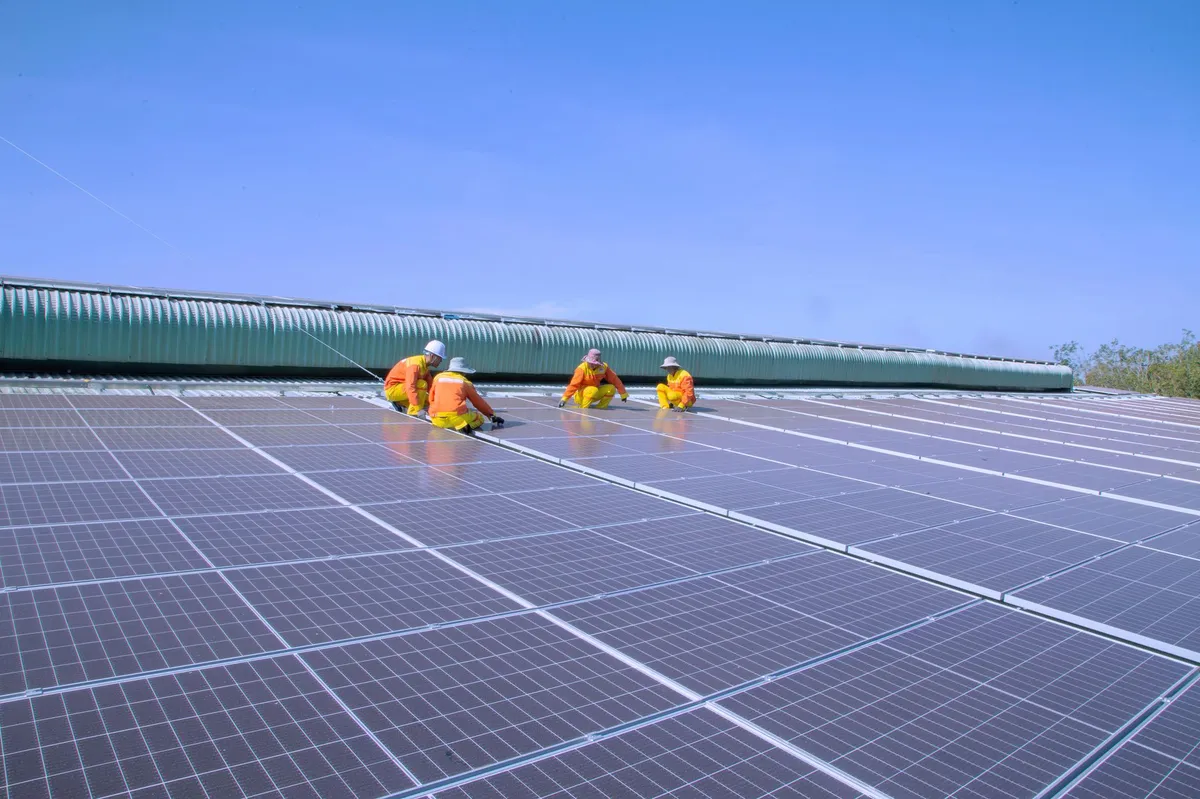
The transition to cleaner energy sources is not without its challenges. While companies are exploring options like solar power and battery storage at new data center sites, the backlog for obtaining necessary equipment, particularly for cleaner technologies like combined-cycle gas plants, presents a significant hurdle. These technologies are more efficient than single-cycle plants, but their deployment is often delayed, forcing companies to rely on less sustainable options in the interim.
As the industry grapples with these challenges, the urgency for a balanced approach to energy sourcing becomes evident. The question remains: how can data center operators meet their immediate energy needs without compromising their long-term sustainability goals?
Key Takeaways
- The rise of data centers tied to natural gas power plants may increase U.S. emissions by 20%.
- Major tech companies are at risk of undermining their climate commitments through fossil fuel reliance.
- Texas leads in proposed data center gas plants due to its regulatory environment.
- Transitioning to cleaner energy sources faces equipment backlog challenges.
Frequently Asked Questions
What are the implications of increased emissions from data center gas plants?
The projected increase in emissions from data center gas plants could significantly hinder national efforts to combat climate change. As the tech industry pushes for more computing power, the reliance on fossil fuels not only impacts local air quality but also contributes to global warming. This could lead to stricter regulations and increased scrutiny of corporate climate commitments.
How does the construction of data centers affect the electricity grid?
The rapid construction of data centers places immense pressure on the existing electricity grid. With many projects requiring substantial power, grid operators face challenges in ensuring reliability, leading to moratoriums on new project approvals in various states. This strain can increase the risk of power outages, affecting not only data centers but also surrounding communities.
What alternatives are available to reduce carbon emissions from data centers?
Companies can explore several alternatives to mitigate carbon emissions, including investing in renewable energy sources such as solar, wind, and geothermal power. Additionally, utilizing energy-efficient technologies and optimizing data center operations can help reduce overall energy consumption. Partnerships with utilities to develop cleaner infrastructure can also play a crucial role in transitioning away from fossil fuels.
Comments
Navigating Supply Chain Risks Amid Tariff Uncertainties
The recent pause in tariffs on Canadian goods offers a temporary reprieve for businesses, but the underlying supply chain vulnerabilities remain. As companies adapt, insurance agents must guide clients through evolving risks and strategies.

Related articles





Popular in Business Insurance
- Surging War-Risk Insurance Rates in the Strait of Hormuz: What It Means for Shipping
- Ross & Yerger Insurance Faces Class Action Over Data Breach Allegations
- Sompo Expands U.S. Workers' Compensation Portfolio with Service Insurance Acquisition
- Legal Battle Unfolds Over $1 Million Truck Crash Insurance Payout
- Howden Group's Ambitious Journey Toward IPO and Expansion