Understanding the Importance of Modern Storm Models in Insurance Renewals
The rise of severe convective storms as a leading insured peril necessitates a reevaluation of how insurance carriers model risk. This article explores the implications of using outdated statistical models and the advantages of AI-enhanced methodologies.

The insurance landscape is undergoing a seismic shift as severe convective storms (SCS) have overtaken hurricanes to become the costliest insured peril of the 21st century. With global insured losses from these storms reaching an astonishing $61 billion in 2025, the urgency for insurance carriers to reassess their risk models has never been greater. The latest insights from Aon’s 2026 Climate and Catastrophe Insight report and other industry analyses indicate that traditional statistical models may be failing to adequately capture the complexities of SCS, leading to significant pricing discrepancies in the insurance market. As we delve deeper into this critical issue, it becomes clear that understanding the nuances of storm modeling is essential for brokers and clients alike during the renewal process.
Understanding Severe Convective Storms and Their Impact
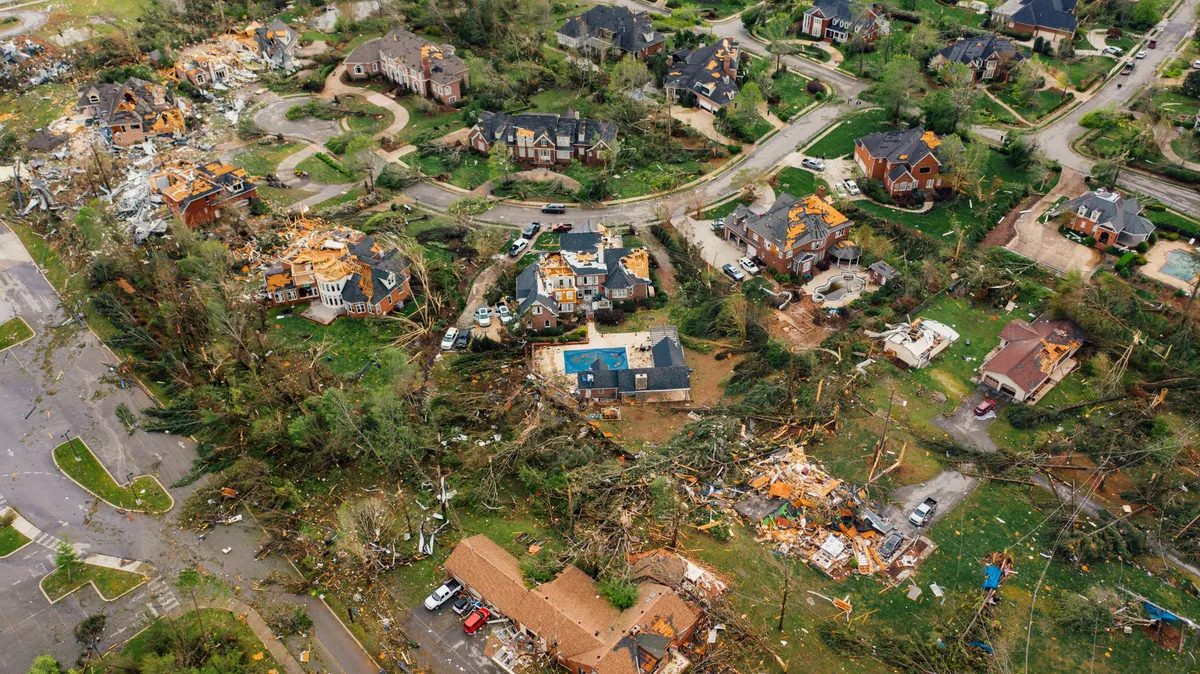
Severe convective storms are characterized by their localized nature and rapid development, often resulting in unpredictable and destructive weather phenomena such as hail, tornadoes, and derechos. Unlike hurricanes, which follow fairly predictable patterns as they make landfall, SCS can vary dramatically from one event to another. This unpredictability makes it challenging for insurers to model risk accurately using traditional methods.
According to the Insurance Information Institute (Triple-I), the U.S. share of global SCS losses hit an alarming $51 billion in 2025, marking the third consecutive year losses exceeded the $50 billion benchmark. This trend has heightened scrutiny on the catastrophe (cat) modeling methodologies employed by insurers, particularly as the market softens, leading to competitive pricing dynamics that do not always reflect the underlying risk.
The Shortcomings of Traditional Statistical Models
Traditional statistical catastrophe models primarily utilize historical data to identify patterns and project potential future events. While this method can provide some insights for predictable perils like hurricanes, it falls short when applied to the erratic nature of severe convective storms. The Karen Clark & Company (KCC) white paper highlights that relying on historical data to predict SCS risks is increasingly unreliable due to their unique characteristics.
For example, traditional models might extrapolate from past storm events to predict future occurrences, but this approach does not account for the rapid development and localized impact of SCS. As a result, insurers using outdated models may have a skewed understanding of their risk exposure, leading to uneven pricing in the marketplace.
The Emergence of Advanced Physical and AI-Driven Models
In response to the limitations of traditional modeling, a second generation of physical models has emerged. These models simulate real-time atmospheric conditions using complex equations of mass and momentum, rather than relying solely on historical data. KCC’s SCS model, for instance, processes over 30 gigabytes of satellite, radar, and weather data daily to create precise hail and tornado intensity footprints. This allows insurers to estimate claims exposure more accurately based on the most recent storm activity.
Furthermore, the integration of artificial intelligence (AI) into cat modeling represents a significant advancement. KCC has archived over 100 terabytes of atmospheric data since 2018, which, combined with billions of dollars in claims data, can be harnessed to continually refine model components. Machine learning algorithms can learn from these vast datasets, enabling real-time updates that shift model accuracy from months to days.

Advantages of AI-Enhanced Modeling
The utilization of AI in cat modeling allows for a more nuanced understanding of risk, especially for storm-exposed properties. For example, training algorithms to identify complex storm systems like derechos can lead to more accurate loss estimates. The AI-driven approach not only enhances prediction accuracy but also fosters better risk management strategies for insurers.
Economic and Societal Factors Influencing Losses
While advancements in storm modeling are crucial, it is essential to recognize that other factors significantly contribute to the rising costs associated with SCS. Research from Gallagher Re indicates that economic and societal influences account for 80% to 90% of the long-term increases in insured losses from severe convective storms. Key contributors include:
- Higher construction costs: The price of materials and labor has surged, leading to increased rebuilding costs after storm damage.
- Labor shortages: A lack of skilled labor can delay repairs and increase overall costs.
- Litigious claims environment: Growing numbers of lawsuits related to insurance claims can inflate costs for insurers.
Improving AI hazard modeling addresses only a portion of the broader issue. However, as highlighted in a May 2026 Moody's study, the enrichment of property-level data such as roof conditions and vegetation can lead to improved risk assessments. The study revealed that while the average modeled loss decreased modestly, nearly half of all properties experienced fluctuations in modeled loss of over 15%, indicating significant redistribution within insurance portfolios.

Navigating the Renewal Process
For insurance brokers and their clients, understanding the implications of these evolving modeling techniques is vital during the renewal process. Carriers that have adopted modern modeling tools are likely to price SCS-exposed risks differently compared to those relying on outdated statistical methods. This pricing gap may manifest during renewals, often without clear explanations related to the client's specific exposure changes.
As a broker, it is crucial to facilitate conversations about the types of models carriers utilize and their implications for pricing and coverage. Armed with a deeper understanding of current modeling methodologies, brokers can help clients make informed decisions, ensuring they secure the best possible terms and conditions for their insurance coverage.
Key Takeaways
- Severe convective storms have become the leading cause of insured losses, surpassing hurricanes.
- Traditional statistical models are increasingly inadequate for predicting SCS risks due to their unpredictable nature.
- AI-enhanced modeling offers significant improvements in risk assessment and pricing accuracy.
- Economic and societal factors contribute heavily to rising insured losses beyond hazard modeling.
- Brokers must understand these dynamics to effectively advocate for their clients during renewals.
Frequently Asked Questions
What are severe convective storms?
Severe convective storms are intense weather events characterized by rapid development and localized impacts, often resulting in phenomena such as hail, tornadoes, and derechos. Unlike hurricanes, which typically have predictable patterns, SCS can change quickly and are difficult to forecast accurately using traditional models.
How do traditional statistical models work?
Traditional statistical models utilize historical data to identify patterns and predict future events. They fit historical storm data to statistical distributions and extrapolate potential future occurrences. However, this method can be unreliable for unpredictable events like severe convective storms, leading to inaccuracies in risk assessment.
What is the role of AI in catastrophe modeling?
AI plays a critical role in modern catastrophe modeling by refining and updating models continuously based on vast datasets. Machine learning algorithms can analyze atmospheric data, improving the accuracy of predictions and allowing for real-time risk assessments. This advancement helps insurers understand risk more effectively and price policies accordingly.
Why is it important for brokers to understand storm modeling?
Brokers must understand storm modeling to effectively navigate the insurance market and advocate for their clients. As risk assessments and pricing become influenced by the methodologies insurers employ, brokers can facilitate informed conversations about coverage and ensure their clients receive the best terms available during the renewal process.
Comments
Navigating Supply Chain Risks Amid Tariff Uncertainties
The recent pause in tariffs on Canadian goods offers a temporary reprieve for businesses, but the underlying supply chain vulnerabilities remain. As companies adapt, insurance agents must guide clients through evolving risks and strategies.

Related articles





Popular in Business Insurance
- Surging War-Risk Insurance Rates in the Strait of Hormuz: What It Means for Shipping
- Ross & Yerger Insurance Faces Class Action Over Data Breach Allegations
- Sompo Expands U.S. Workers' Compensation Portfolio with Service Insurance Acquisition
- Legal Battle Unfolds Over $1 Million Truck Crash Insurance Payout
- Howden Group's Ambitious Journey Toward IPO and Expansion