Power Resilience vs. Insurance: A New Calculation for Businesses
As power reliability concerns rise, businesses must weigh the costs of resilience against traditional insurance. This comprehensive analysis explores the implications of this shift for brokers and clients alike.
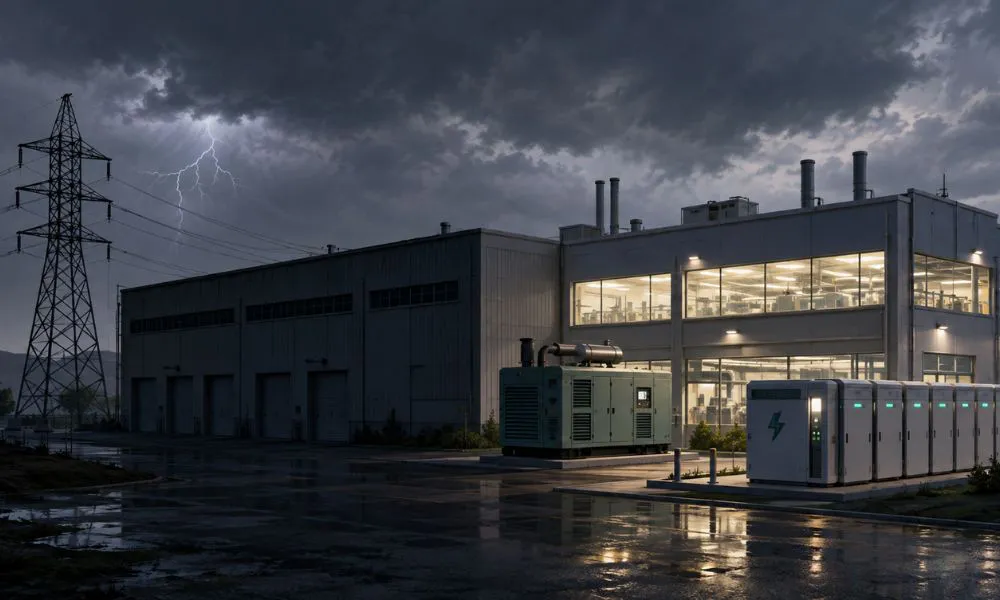
As power outages become more frequent and disruptive, businesses are facing a critical decision: invest in resilience or rely on insurance? This question, once confined to the realms of risk managers and engineers, is now increasingly relevant for insurance brokers. With contingent business interruption and service interruption coverage becoming more expensive and restrictive, the balance between capital expenditure (capex) and insurance is shifting. The growing demand for electricity coupled with the vulnerabilities of the U.S. power grid makes this calculation urgent for many organizations.
In 2024, U.S. electricity customers experienced an average of 11 hours of power interruptions, nearly double the annual average of the previous decade. Major weather events, such as Hurricanes Beryl, Helene, and Milton, were responsible for 80% of these outage hours. Meanwhile, the Energy Information Administration (EIA) has reported an unprecedented demand for electricity, led primarily by large computing facilities. This combination of rising demand and increased outage exposure is prompting businesses to reconsider their risk management strategies, often leading to a three-way decision: accept the risk, purchase insurance, or invest in resilience.
The Shift Towards Resilience Investment
Paul Brown, managing partner of The Baldwin Group, highlights this evolving conversation. As costs for contingent business interruption insurance rise, many clients are asking, "What capital investment do we need to make to ensure our business runs smoothly?" This perspective marks a significant departure from the traditional reliance on insurance as a safety net.
The Role of Technology in Resilience
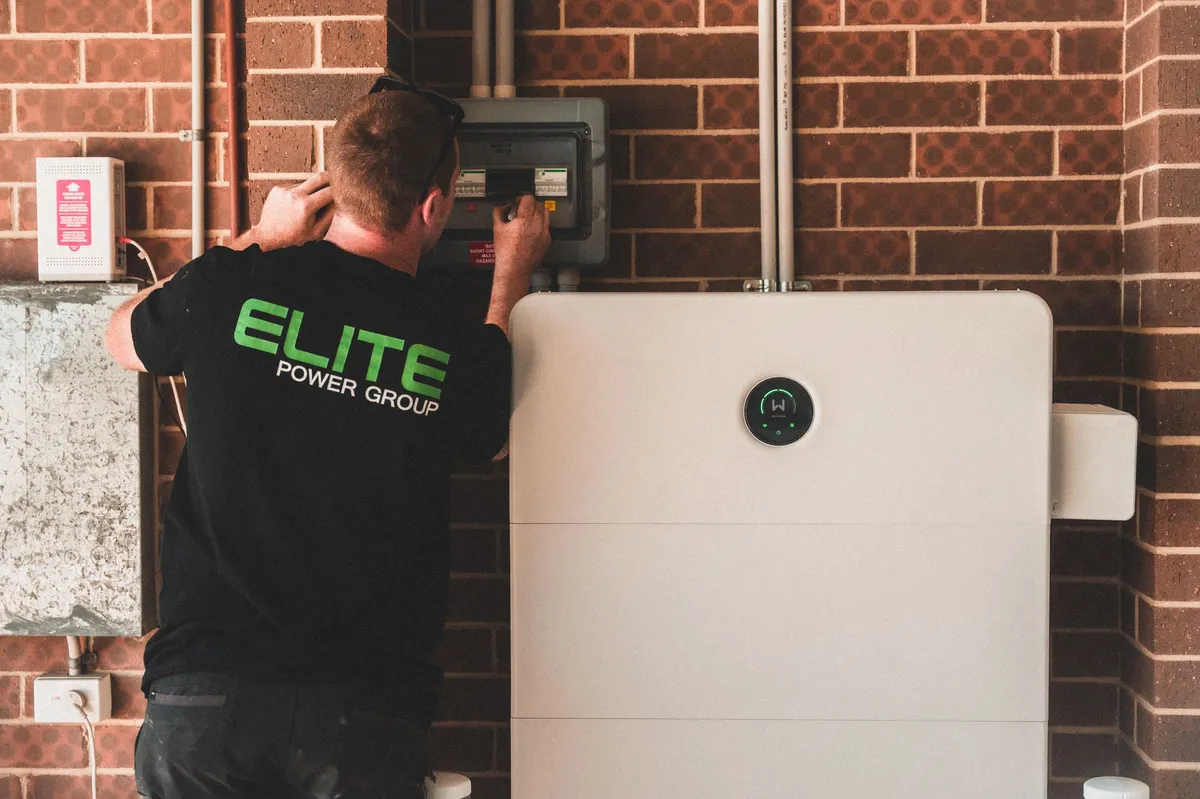
Technological advancements in energy storage, microgrids, and backup generation systems are making it increasingly feasible for businesses to engineer outages out of their risk profiles. Investments in these technologies not only enhance resilience but can also offer long-term cost benefits compared to ongoing insurance premiums.
Key considerations for businesses include:- **Cost of outages**: Quantifying the financial impact of downtime is crucial. This includes lost production, spoilage, and contractual penalties.
- **Type of facility**: Newer digital infrastructures tend to have built-in redundancy, while older manufacturing facilities may lag behind in their resilience strategies.
- **Stakeholder involvement**: Engaging a broader group of stakeholders—including risk managers, finance teams, and operations leaders—can lead to more informed decision-making.
Understanding the Economics of Outages
The economics of outages play a pivotal role in the decision-making process. Businesses must evaluate the potential losses associated with power interruptions against the costs of insurance. This analysis includes factoring in premiums, deductibles, waiting periods, and the available coverage limits.
Calculating the Cost of Downtime
To navigate this complex landscape, organizations should perform a detailed cost analysis, assessing:
- The value of lost production during outages
- Costs associated with spoiled products and restart processes
- Overtime expenses incurred to recover from downtime
- Potential contractual penalties for failing to meet obligations
- Impacts on downstream customers and their satisfaction
Evaluating Existing Resilience Infrastructure
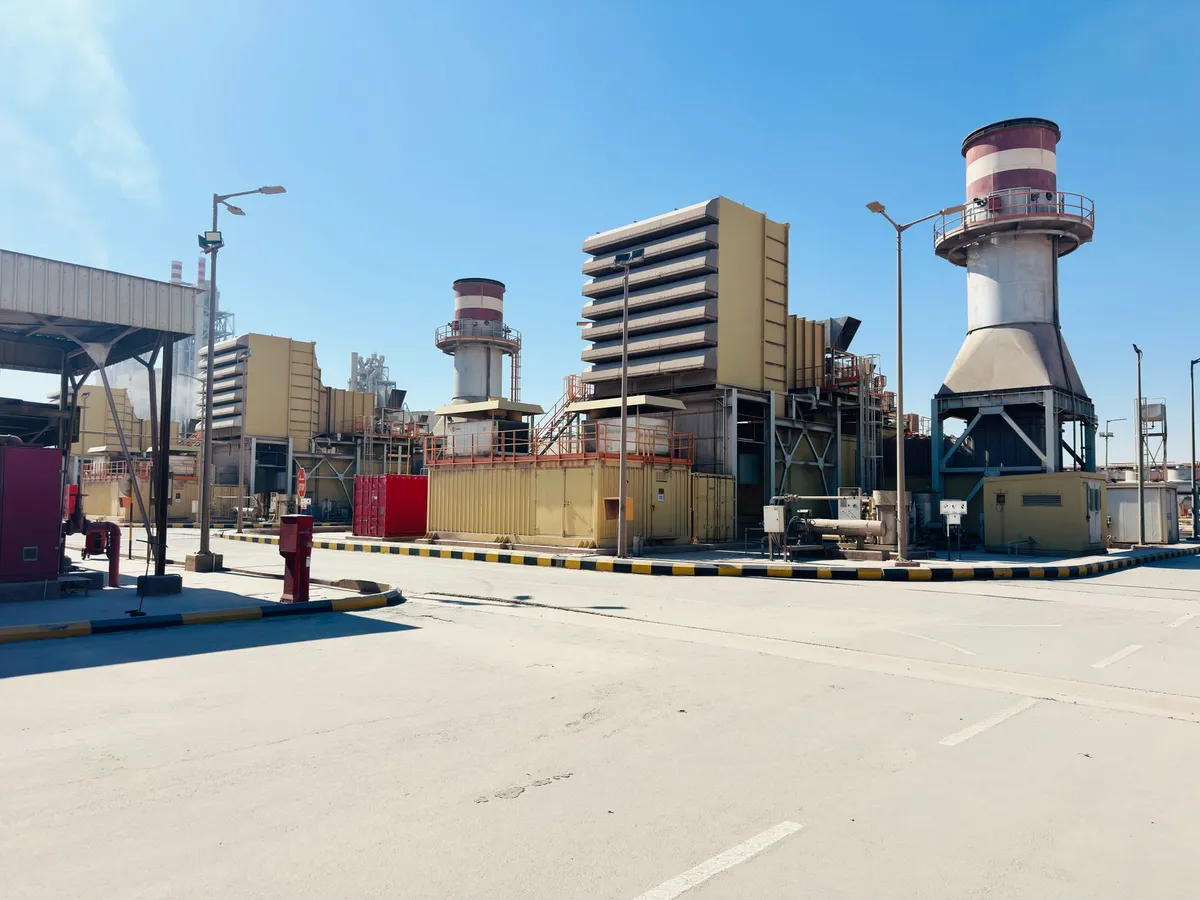
For businesses with older facilities, it is crucial to reassess current resilience measures. Systems that were adequate years ago may no longer suffice in today's high-demand environment. A backup generation system designed decades ago might not support expanded operations or new machinery that demands more electricity.
Investment vs. Insurance: A Broader Discussion
This shift in focus from insurance to resilience investment does not imply that insurance is obsolete; rather, it indicates a need for a more nuanced approach. Brokers are encouraged to engage clients in discussions that illuminate the interplay between insurance and resilience planning. This involves understanding how long a facility can operate without grid power and which processes are most critical. As clients consider their options, they will need to weigh the benefits of investing in resilience against the potential for increased insurance costs.

Key Takeaways
- Power reliability concerns are pushing businesses to reconsider their reliance on insurance.
- Investments in resilience technologies can provide long-term cost benefits.
- Engaging multiple stakeholders in decision-making is essential for effective risk management.
- Evaluating the economics of outages helps inform the balance between insurance and capex.
- Older facilities may require significant updates to meet today’s electricity demands.
Frequently Asked Questions
What factors should businesses consider when deciding between insurance and resilience investments?
Businesses should evaluate the potential financial impact of outages, including lost production and contractual penalties, against the costs of insurance premiums and deductibles. Additionally, they should assess the adequacy of their current resilience measures and consider technological advancements that may enhance their ability to withstand power interruptions.
How can companies quantify the cost of power outages?
To quantify the cost of power outages, companies should calculate the value of lost production, spoilage costs, restart expenses, and overtime incurred due to downtime. They can also factor in any contractual penalties that may arise from failure to meet obligations, creating a comprehensive picture of the financial implications of outages.
What role do brokers play in the evolving conversation about power resilience?
Brokers are increasingly becoming key advisors in the conversation about power resilience. They must go beyond simply providing information about insurance coverage and help clients understand the interplay between insurance and resilience investments. This includes facilitating discussions with various stakeholders to determine the best approach to managing exposure to power interruptions.
How does the age of a facility affect its resilience strategy?
The age of a facility can significantly impact its resilience strategy. Older facilities may not have been designed with modern backup technologies in mind, making them more vulnerable to outages. Companies with older infrastructure should reassess their resilience measures and consider investing in upgrades to meet current electricity demands and improve their ability to withstand interruptions.
Comments
Insuring the Future: Understanding AI Agency and Its Risks
As AI systems become more autonomous, the need for a new insurance framework emerges. This article explores the concept of Agent Insurable Value (AIV) and its implications for the insurance industry.

Related articles







Popular in Business Insurance
- Surging War-Risk Insurance Rates in the Strait of Hormuz: What It Means for Shipping
- Ross & Yerger Insurance Faces Class Action Over Data Breach Allegations
- Sompo Expands U.S. Workers' Compensation Portfolio with Service Insurance Acquisition
- Legal Battle Unfolds Over $1 Million Truck Crash Insurance Payout
- Howden Group's Ambitious Journey Toward IPO and Expansion