Navigating the Evolving Inland Marine Insurance Landscape
As equipment values soar and the market softens, insureds have a unique opportunity to secure better inland marine coverage. This article explores current trends, challenges, and strategic approaches for navigating this complex insurance sector.
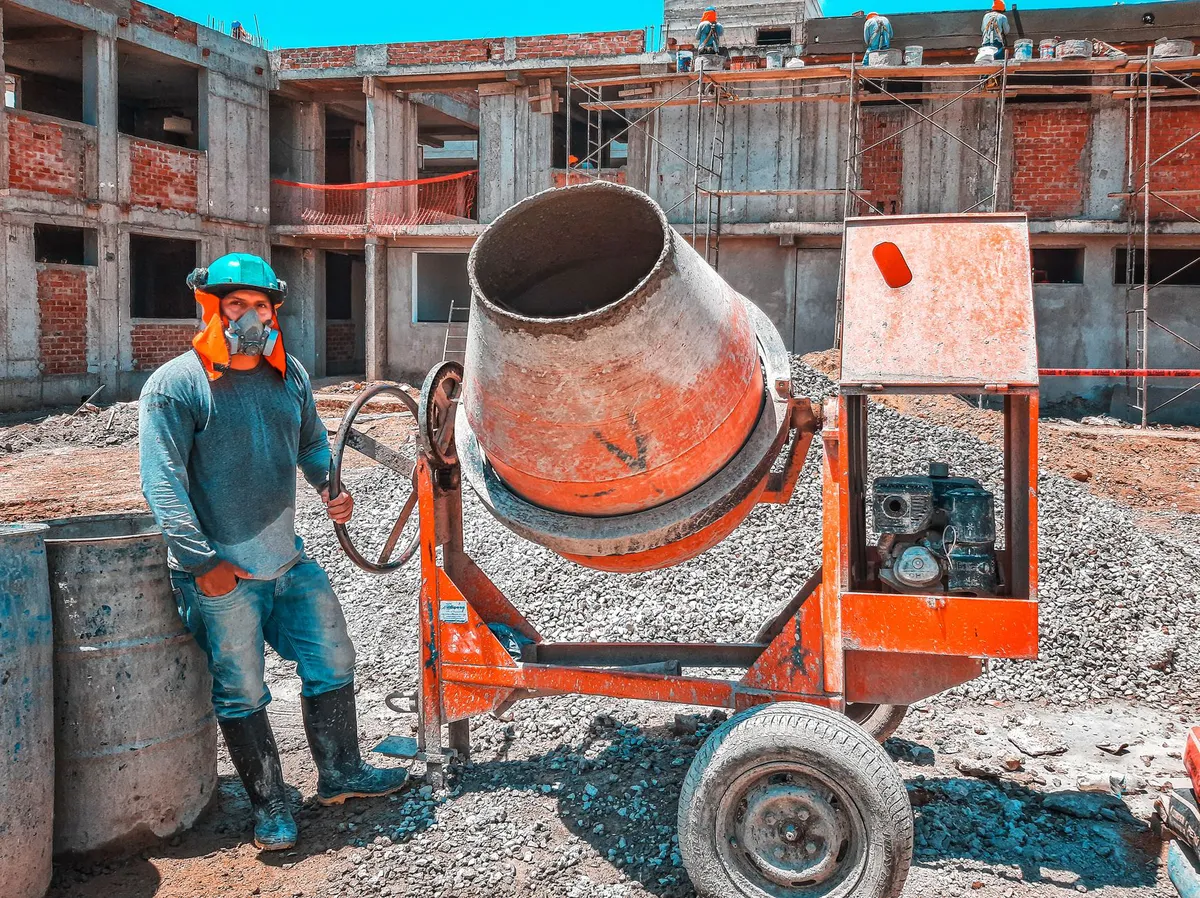
The landscape of inland marine insurance is experiencing a seismic shift, driven by rapidly increasing equipment values and a buyer-friendly market environment. As the demand for coverage rises, particularly with the ongoing data center construction boom, insureds have a unique opportunity to enhance their policies beyond mere premium reductions. This article delves into the intricacies of the current inland marine insurance market, exploring the implications of higher limits, evolving coverage needs, and strategic opportunities for businesses navigating this complex terrain.
A Buyer-Friendly Market: A Unique Opportunity
According to Jason Baynard, senior vice president at Amwins Program Underwriters, the inland marine insurance sector is currently in a soft market phase, characterized by an influx of carrier appetite and expanded coverage capacity. This environment has led to a decrease in pricing, presenting insureds with a chance to negotiate broader protection options. Unlike traditional property insurance, inland marine coverage often focuses on first-party risks, where insurers can clearly identify losses — such as when a piece of high-value equipment is damaged or destroyed.
“Insurance is 'on sale' in the inland marine and property spaces right now, especially when it comes to real property,” Baynard states. This competitive landscape is particularly beneficial for businesses involved in sectors like data center construction, where the concentration of high-value equipment necessitates thoughtful coverage decisions. As equipment values soar, businesses can leverage this to push for higher limits and enhanced coverage features.

The Impact of Rising Equipment Values
The surge in equipment valuations is not just a numerical trend; it is reshaping how businesses approach insurance. The ongoing data center construction boom has increased the aggregation of high-value equipment within warehouses and temporary storage facilities, leading to potential coverage needs that far exceed traditional limits.
Understanding Aggregated Values
Baynard notes that contractors involved in data center projects often need to store machinery or components before installation, resulting in temporary storage limits that could reach $30 million, $40 million, or even $50 million. This increased aggregation of values creates a complex risk profile that necessitates a deeper examination of how these figures are derived and reported to insurers.
- Temporary storage limits: Coverage is often required for high-value equipment stored in warehouses.
- Increased valuations: Individual pieces of equipment may carry valuations as high as $10 million, despite their compact size.
- Market volatility: Equipment values can fluctuate due to market dynamics, tariffs, and supply chain constraints.
This complexity underscores the necessity for insureds to engage in detailed discussions with underwriters about not only the limits they seek but also the realities of their operational environment, including how frequently values move between locations and the specific terms of their policies.
Valuation Challenges and Strategic Considerations
The conversation around equipment valuation is becoming increasingly intricate, especially with the added pressures of tariffs and supply constraints. Baynard emphasizes that retail agents must be aware of where insureds purchase their machinery and whether replacement equipment would need to be imported. For instance, while some cranes are manufactured domestically, others may come from overseas suppliers in Germany or Asia. This creates unique challenges for insureds when a loss occurs, as the replacement may not be readily available.
Financial Implications of Tariffs
For example, an insured may purchase an $8 million crane but face an additional $1.4 million in tariffs to bring it into the country. Such financial burdens can significantly impact a business's ability to recover from a loss. Therefore, valuation discussions must go beyond the initial purchase price to account for replacement availability, import costs, delivery timelines, and evolving market values.
Innovative Coverage Solutions: Loss-of-Use Protection
As the market continues to evolve, one notable trend is the increasing availability of loss-of-use coverage. This coverage is particularly relevant for businesses that rely on heavy machinery for their operations, as the combination of equipment storage and longer replacement periods drives demand for such protections.
Understanding Loss-of-Use Coverage
Loss-of-use coverage typically provides a monthly payment, subject to an aggregate limit, when a key piece of equipment is out of service. However, it generally requires a forensic accounting demonstration to prove the income lost during the interruption. Insurers may also expect businesses to redeploy similar equipment from their fleet before claiming benefits. This coverage can be a vital financial lifeline, allowing businesses to maintain revenue while waiting for replacements or repairs.
“Everybody is trying to differentiate themselves,” Baynard explains, highlighting that while he has been offering this coverage selectively for over a decade, many other carriers are now beginning to adopt similar approaches tailored to the heavy equipment sector. This trend not only enhances coverage options but also reflects the evolving nature of risk management in the inland marine market.

The Importance of Specialized Expertise
Given the technical nature of inland marine accounts, it is crucial for businesses to engage with insurance professionals who possess specialized knowledge and expertise. The complexities of heavy machinery, intricate contractual obligations, and unique claims processes necessitate a nuanced understanding of the industry and its associated risks.
Collaborative Approaches to Underwriting
Baynard emphasizes the need for a collaborative approach among insureds, agents, and underwriters. Strong submissions should provide a clear account of the insured's risk characteristics, going beyond mere form completion. Engaging in open dialogue allows each party to discuss deductibles, limits, and risk tolerance, ultimately leading to more effective placements.
“Tell me the story,” Baynard advises, underscoring the value of narrative in risk assessment. This collaborative dynamic not only facilitates better underwriting decisions but also helps prevent gaps in coverage that could arise from a lack of understanding of the insured's operations.
Key Takeaways
- Inland marine insurance is in a soft market: Insureds have an opportunity to negotiate broader coverage and higher limits.
- Rising equipment values: The aggregation of high-value equipment creates complex risk profiles that require careful consideration.
- Valuation discussions must be comprehensive: Account for more than just purchase price, including replacement costs and tariffs.
- Loss-of-use coverage is becoming more prevalent: Offers financial support while waiting for equipment replacement.
- Engage specialized expertise: Collaboration among insureds, agents, and underwriters is essential for effective risk management.
Frequently Asked Questions
What is inland marine insurance?
Inland marine insurance is a specialized form of coverage designed to protect goods, equipment, and property while in transit over land or stored at a site. Unlike standard property insurance, inland marine policies focus on first-party risks and often cover high-value items that require unique risk assessments due to their nature or the environments in which they are used.
How do rising equipment values affect insurance premiums?
As equipment values rise, the complexity and potential exposure associated with insuring these assets also increase. While a soft market may lead to lower premiums, businesses must ensure that they adequately assess and communicate the actual value of their equipment to avoid underinsurance. Premiums may reflect the replacement costs and market dynamics surrounding the specific equipment involved.
What should businesses consider when negotiating limits with insurers?
When negotiating policy limits, businesses should consider the total value of their equipment, potential storage needs, and the frequency with which values may change due to operational shifts. It’s crucial to maintain a comprehensive understanding of contractual obligations and ensure that policy terms align with their actual risk profile.
Why is loss-of-use coverage important for businesses?
Loss-of-use coverage is vital for businesses that rely on heavy machinery and equipment for their operations, as it provides financial support during periods of downtime. This coverage helps mitigate the loss of revenue while waiting for repairs or replacements, making it an essential component of a comprehensive risk management strategy.
Comments
Insuring the Future: Understanding AI Agency and Its Risks
As AI systems become more autonomous, the need for a new insurance framework emerges. This article explores the concept of Agent Insurable Value (AIV) and its implications for the insurance industry.

Related articles






Popular in Business Insurance
- Surging War-Risk Insurance Rates in the Strait of Hormuz: What It Means for Shipping
- Ross & Yerger Insurance Faces Class Action Over Data Breach Allegations
- Sompo Expands U.S. Workers' Compensation Portfolio with Service Insurance Acquisition
- Legal Battle Unfolds Over $1 Million Truck Crash Insurance Payout
- Howden Group's Ambitious Journey Toward IPO and Expansion