Unraveling the Tricolor Collapse: SEC Sues Former Executives for Fraud
The SEC's lawsuit against Tricolor's former executives highlights serious allegations of fraud and investor deception in the auto lending sector. This article delves into the implications of these charges and what they mean for investors and the broader financial landscape.

The recent lawsuit filed by the U.S. Securities and Exchange Commission (SEC) against former executives of Tricolor, a once-prominent auto lender, has sent shockwaves through the financial and automotive sectors. This legal action follows the company's bankruptcy filing in September 2025, which has raised serious questions about the integrity of the subprime auto lending industry. This article will explore the allegations against Tricolor's leadership, the broader implications for investors, and the lessons that can be drawn from this unfolding saga.
Tricolor, which primarily served the subprime market for used vehicles, raised over $1.9 billion through asset-backed securities offerings. However, the SEC's complaint alleges that the company’s top officials engaged in systematic fraud, misrepresenting the firm’s financial health while simultaneously double-pledging hundreds of millions in auto loans. The fallout from these actions has led to significant legal consequences for Tricolor’s former CEO, Daniel Chu, along with CFO Jerome Kollar and Senior Finance Director Ameryn Seibold.
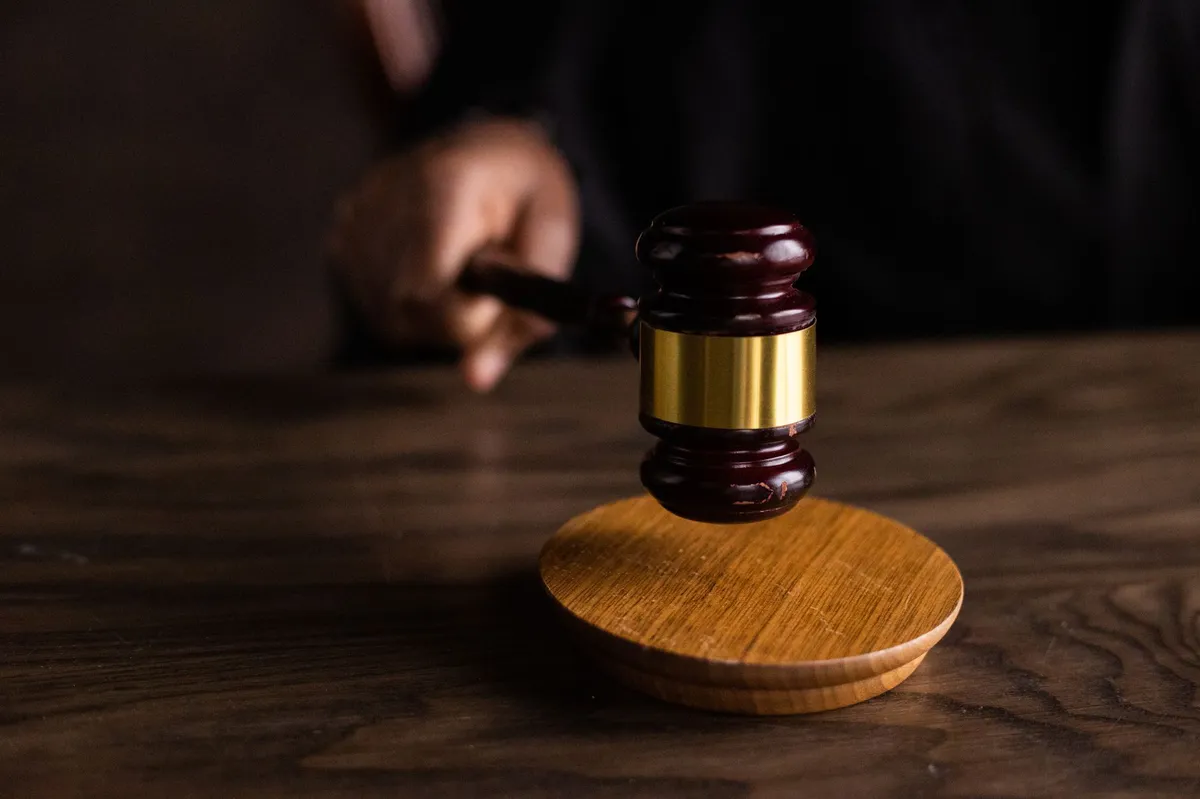
The Allegations of Fraud
According to the SEC, the scheme orchestrated by Tricolor's executives spanned several years, from 2020 until the company's eventual bankruptcy. The specific allegations outlined in the SEC's complaint include:
- **False Statements**: Executives allegedly misled investors about Tricolor's financial stability and the quality of its loan portfolio.
- **Double-Pledging**: The executives reportedly pledged the same collateral—subprime auto loans—multiple times to secure financing, which is a clear violation of securities laws.
- **Misrepresentation in Asset-Backed Securities**: The executives are accused of providing inflated asset valuations to investors, ultimately leading to substantial losses when the truth emerged.
David Woodcock, the SEC’s enforcement director, emphasized that these actions not only defrauded investors but also undermined the integrity of private credit markets. The SEC is now seeking to impose penalties on the executives, which could include financial restitution and bans from serving in public company roles.

The Legal Landscape and Its Implications
The SEC's lawsuit is part of a broader crackdown on corporate fraud, particularly in sectors that have seen explosive growth, like subprime auto lending. The agency's actions reflect a commitment to holding executives accountable for their roles in financial misrepresentation. The implications of this case extend beyond Tricolor itself:
Potential Impact on Investors
For investors, the fallout from Tricolor’s collapse serves as a stark reminder of the risks associated with investing in companies that operate in high-risk sectors. Many investors who bought into Tricolor’s asset-backed securities offerings may now face significant losses, as the value of these investments has plummeted following the bankruptcy announcement.
Industry-wide Repercussions
Beyond individual losses, this case could lead to tighter regulations in the subprime auto lending market. Increased scrutiny from regulatory bodies may result in more stringent reporting requirements and greater transparency in financial statements, impacting how companies raise capital and manage their loan portfolios.

Response and Defense
The defendants in the SEC case have begun to mount their defenses. Daniel Chu’s lawyer, Matthew Schwartz, has publicly stated that the SEC's claims represent a “rehash” of previous allegations and contends that many of the assertions are inaccurate. Meanwhile, representatives for Kollar and Seibold have not commented further, leaving questions about their strategies and potential defenses against the SEC’s charges.
Chu has also pleaded not guilty to all charges in a separate criminal indictment that includes accusations of systematic fraud leading to Tricolor’s collapse. The judicial proceedings will likely unfold over the coming months, and the outcomes could significantly shape public perception of corporate governance in the auto lending space.
Understanding the Broader Context
The Tricolor case is not isolated; it is emblematic of larger issues within the subprime lending industry, which has been characterized by rapid growth accompanied by significant risk. Subprime lenders cater to consumers with poor credit histories, often charging higher interest rates due to the perceived risk of default. This model can lead to high levels of borrower delinquency and, in severe cases, corporate collapse when the financial practices of lenders are not adequately monitored.
Investors must be vigilant in assessing the risks associated with such investments, particularly in economic climates that may lead to higher default rates among subprime borrowers. The SEC's actions against Tricolor serve as a cautionary tale about the importance of transparency and ethical governance in the financial sector.

Key Takeaways
- SEC Action**: The SEC has charged former Tricolor executives with fraud related to misleading investors.
- Alleged Double-Pledging**: The executives allegedly double-pledged auto loans, violating securities laws.
- Investor Risks**: Investors in Tricolor’s asset-backed securities face significant losses following the company’s bankruptcy.
- Regulatory Changes**: This case may prompt tighter regulations in the subprime auto lending sector.
- Defensive Strategies**: The defendants are preparing to contest the charges, which could unfold in a lengthy legal battle.
Frequently Asked Questions
What led to Tricolor's bankruptcy?
Tricolor filed for bankruptcy in September 2025, largely due to mounting losses and a failure to maintain the integrity of its financial reporting. The SEC's allegations suggest that the company mismanaged its financial practices, which ultimately harmed its investors and led to a collapse in confidence, resulting in bankruptcy.
What are the potential penalties for the executives involved?
The SEC is seeking significant penalties against the former executives, which could include financial restitution for ill-gotten gains and bans from serving as officers or directors in public companies. Depending on the outcomes of criminal proceedings, they may also face imprisonment for their alleged roles in the fraudulent activities.
How can investors protect themselves in the future?
Investors should conduct thorough due diligence before investing in asset-backed securities, particularly in high-risk sectors like subprime lending. This includes scrutinizing the company's financial health, understanding the underlying assets, and remaining alert to any signs of mismanagement or financial irregularities.
What does this case mean for the future of subprime lending?
The Tricolor case may prompt regulatory bodies to implement stricter oversight and transparency requirements in the subprime lending market. As a result, companies may need to adopt more rigorous compliance measures, which could affect lending practices and the availability of credit for subprime borrowers.
Comments
Insuring the Future: Understanding AI Agency and Its Risks
As AI systems become more autonomous, the need for a new insurance framework emerges. This article explores the concept of Agent Insurable Value (AIV) and its implications for the insurance industry.

Related articles




Popular in Business Insurance
- Surging War-Risk Insurance Rates in the Strait of Hormuz: What It Means for Shipping
- Ross & Yerger Insurance Faces Class Action Over Data Breach Allegations
- Sompo Expands U.S. Workers' Compensation Portfolio with Service Insurance Acquisition
- Legal Battle Unfolds Over $1 Million Truck Crash Insurance Payout
- Howden Group's Ambitious Journey Toward IPO and Expansion