Supreme Court Ruling Redefines Risks in Freight Brokerage Industry
A recent Supreme Court ruling has drastically changed the landscape for freight brokers, exposing them to significant legal risks. The ruling's implications are reshaping industry practices, insurance costs, and the future of freight transportation in America.

In a pivotal moment for the freight brokerage industry, a recent United States Supreme Court ruling has fundamentally altered the legal landscape for freight brokers across the country. Traditionally operating with a degree of legal immunity, brokers like Daniel Ilg, who has spent decades in the business, now find themselves navigating a new, treacherous terrain where a single misstep in selecting a trucking company could lead to devastating financial repercussions. The ruling, which came down in May, has not only increased the stakes for brokers but also raised questions about the future of freight transportation in America.
As the implications of the ruling ripple through the industry, the potential for costly litigation looms large. A recent jury verdict in Texas, which recommended a staggering $604 million in damages against one of the nation’s largest freight brokers, serves as a stark warning. This decision has prompted freight brokers to reevaluate their operations, resulting in shrinking carrier networks and skyrocketing insurance premiums. The freight brokerage market, valued at approximately $16 billion, is at a crossroads, with many brokers now forced to reconsider their long-standing practices and relationships.
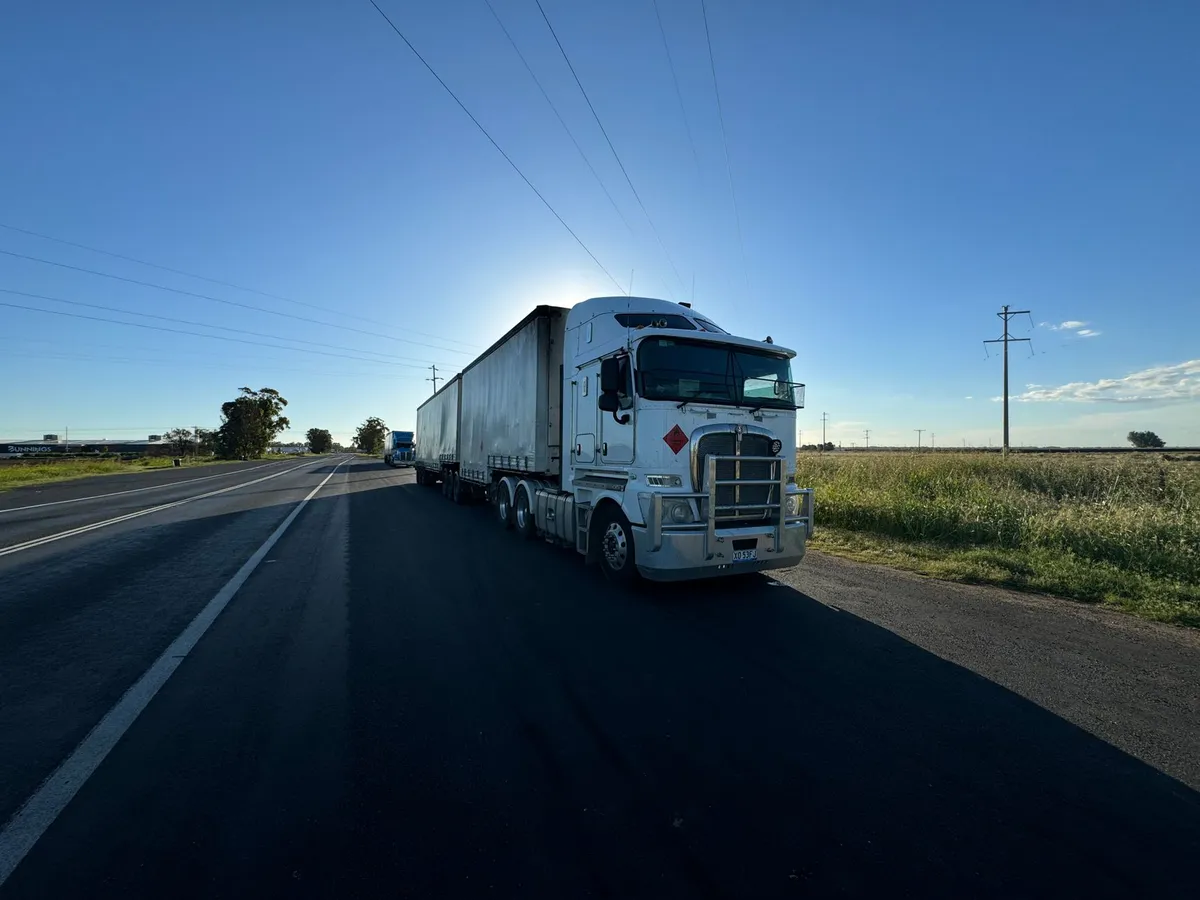
The Supreme Court Ruling: A Game Changer for the Industry
Before the Supreme Court’s ruling in Montgomery v. Caribe Transport II, freight brokers often defended against negligent hiring claims by citing a federal law that previously shielded them from state lawsuits regarding the carriers they selected. However, the unanimous decision overturned this precedent, allowing state claims involving motor-vehicle safety to apply to brokers as well.
Implications of the Ruling
The ruling has introduced uncertainty around when a broker might be held responsible for accidents involving drivers from contracted carriers. For brokers like Ilg, who operates ILG Logistics in Illinois, this has prompted a considerable shift in how carriers are selected. Previously relying on a mix of government safety data and personal relationships built over years, brokers are now compelled to adopt a more stringent, data-driven approach to avoid liability.

Legal and Financial Ramifications
One of the most immediate effects of the Supreme Court ruling is the dramatic increase in insurance premiums for freight brokers. Experts like Thom Albrecht, chief revenue officer at Reliance Partners, report that many brokers have experienced strong double-digit increases in their premiums since the ruling. The financial burden is particularly acute for smaller firms, which typically have fewer resources to manage rising costs or defend against lawsuits.
The Rise of Insurance Costs
- Increased Premiums: Brokers renewing their insurance policies are facing strong double-digit increases.
- Market Frenzy: The insurance market for freight brokers has turned frenzied as underwriters adjust to the new legal landscape.
- Smaller Firms at Risk: Smaller brokerage firms, often with limited financial resources, are particularly vulnerable to rising costs.
As freight brokers reevaluate their carrier networks, many are turning to larger, more established trucking companies to mitigate risk. This shift is not merely a protective measure; it is a strategic necessity in a market that is becoming increasingly competitive and litigious.
Shifts in Carrier Selection and Industry Dynamics
The practice of selecting trucking companies has evolved dramatically since the Supreme Court ruling. Brokers are now more inclined to rely on hard data rather than the institutional knowledge that once guided their decisions. For example, Ilg previously had access to a network of 15,000 to 18,000 carriers, but that number has now dwindled to just over 8,000. The safety records and federal ratings of these carriers have become the primary criteria for selection.
Challenges with Safety Data
Despite the importance of government safety data, brokers like Ilg express concerns about its reliability. The Federal Motor Carrier Safety Administration maintains a database that brokers use to evaluate trucking companies. However, this database often lacks sufficient data, particularly for smaller carriers, who make up over 90% of the industry. Many of these smaller operators are inspected infrequently, making it difficult to gauge their safety performance accurately.
This lack of reliable data has created a paradox: as brokers become increasingly cautious in their carrier selection, the pool of available trucking companies shrinks, which may lead to higher costs for consumers as trucking companies raise their rates to cover increased risks. The cost of moving freight is likely to rise as these changes take effect, ultimately impacting the prices consumers pay for goods.
The Broader Economic Impact on Freight Transportation
The ripple effects of the Supreme Court ruling extend beyond brokers and into the broader economy. As freight brokers tighten their carrier networks and insurance costs rise, many industry analysts predict that the changes will lead to higher prices for consumers.
Consumer Implications
While the ruling may enhance road safety and accountability within the industry, the economic consequences are significant. Experts warn that higher insurance premiums and more rigorous carrier vetting processes will inevitably lead to increased freight costs. These costs will likely be passed down the supply chain, resulting in higher prices for everyday goods.
Moreover, the ongoing squeeze on capacity due to federal enforcement and rising fuel costs exacerbates the situation, leading to an already strained transportation market. As the industry grapples with these challenges, it remains to be seen how brokers will adapt and what the long-term implications will be for the freight sector.

Future Considerations and Industry Adaptation
Looking ahead, the freight brokerage industry stands on the brink of significant transformation. Many industry players are calling for clearer regulations and standards regarding carrier selection and liability. CH Robinson, one of the brokers affected by the recent Texas jury verdict, has advocated for national legislation that would create a uniform safety standard for carrier selection.
What Lies Ahead
As the industry awaits further legal clarifications, brokers like Harman Cheema, who operates both a brokerage and trucking company, are adapting to the new landscape. Business at Cheema’s trucking side is thriving as some shippers choose to bypass brokers altogether to mitigate costs. However, the brokerage arm is experiencing a downturn as the legal and financial uncertainties continue to loom.
Ultimately, the future of freight brokerage hinges on how well these businesses can navigate the new legal environment. With significant financial stakes and a rapidly evolving market, brokers must remain vigilant and adaptable to ensure their survival and success in this new era.
Key Takeaways
- The Supreme Court ruling has exposed freight brokers to increased legal liability.
- Insurance premiums for brokers are rising sharply, especially affecting smaller firms.
- Brokers are reevaluating carrier selection based on government safety data.
- Higher freight costs are likely to impact consumers as industry dynamics shift.
- The need for clearer regulations on carrier responsibility is becoming urgent.
Frequently Asked Questions
What is the Supreme Court ruling about?
The Supreme Court ruling in Montgomery v. Caribe Transport II allows state claims regarding negligent hiring to apply to freight brokers. This means that brokers can be held accountable for accidents caused by drivers from contracted carriers, significantly increasing their legal exposure and liability risks.
How are freight brokers responding to the ruling?
In response to the ruling, many freight brokers are tightening their carrier networks and relying more heavily on government safety data to select trucking companies. This shift aims to reduce liability risks, but it has also led to a decrease in the number of carriers brokers are willing to work with, particularly impacting smaller trucking firms.
What impact will this have on consumers?
The increased costs associated with higher insurance premiums and a more rigorous vetting process for carriers are likely to be passed on to consumers. As freight costs rise, consumers may see higher prices for goods, reflecting the broader economic impact of the Supreme Court ruling on the freight brokerage industry.
Will there be changes in regulations following this ruling?
While some industry players are advocating for clearer regulations regarding carrier selection and liability, it remains uncertain what specific changes will occur. The legal landscape will likely continue to evolve as more cases are decided, and the need for standardized safety criteria for carrier selection is increasingly recognized.
Comments
Insuring the Future: Understanding AI Agency and Its Risks
As AI systems become more autonomous, the need for a new insurance framework emerges. This article explores the concept of Agent Insurable Value (AIV) and its implications for the insurance industry.

Related articles







Popular in Business Insurance
- Surging War-Risk Insurance Rates in the Strait of Hormuz: What It Means for Shipping
- Ross & Yerger Insurance Faces Class Action Over Data Breach Allegations
- Sompo Expands U.S. Workers' Compensation Portfolio with Service Insurance Acquisition
- Legal Battle Unfolds Over $1 Million Truck Crash Insurance Payout
- Howden Group's Ambitious Journey Toward IPO and Expansion