Controversial TCPA Lawsuits: The Case of Chet Michael Wilson
A federal judge in Oregon has put a halt to a series of lawsuits filed by Chet Michael Wilson, accused of exploiting the Telephone Consumer Protection Act (TCPA) for financial gain. This article explores the implications of Wilson's actions on the insurance industry and what it means for consumers and businesses alike.

In the world of consumer protection laws, the Telephone Consumer Protection Act (TCPA) has been a double-edged sword. Designed to shield consumers from unwanted telemarketing calls, it has also opened the door for opportunistic individuals seeking financial gains through legal loopholes. One such figure is Chet Michael Wilson, a 44-year-old resident of Eugene, Oregon, whose series of lawsuits has drawn scrutiny from a federal judge and sparked concerns of potential abuse within the legal system. Recently, U.S. District Judge Michael J. McShane froze Wilson's TCPA lawsuits against Freeway Insurance Services and other companies, describing them as potentially part of an “extortion scheme.”
The legal saga surrounding Wilson raises critical questions about the effectiveness of the TCPA, the ethics of litigation, and the ramifications for the insurance industry as a whole. As Wilson’s case unfolds, it presents a cautionary tale for insurers and consumers alike, emphasizing the need for vigilance and comprehensive understanding of the legal landscape.
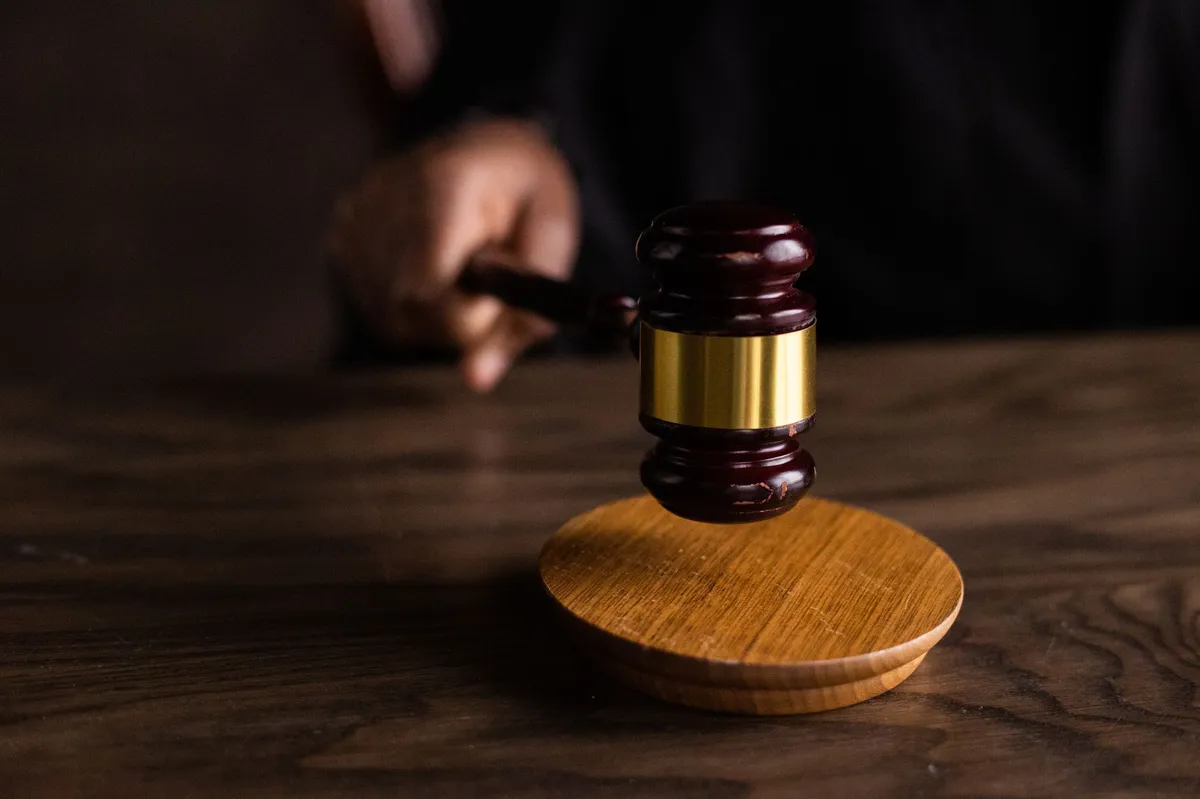
The Allegations Against Chet Michael Wilson
Wilson's legal troubles began when he filed a class action against Freeway Insurance, claiming that he received unwanted robocalls related to a car insurance quote. He alleged that his phone number was submitted without his consent on a website seeking insurance quotes. However, Freeway’s defense, led by attorney Ryan Watstein, painted a different picture, suggesting that Wilson may have orchestrated these complaints as part of a broader scheme.
Background on the TCPA
The TCPA was enacted in 1991 to curb intrusive telemarketing practices and protect consumers from unsolicited calls. It allows individuals to sue for damages ranging from $500 to $1,500 per violation. While the law has successfully reduced the number of unwanted robocalls, it has also created an environment ripe for exploitation. Plaintiffs can capitalize on the lucrative nature of TCPA claims, leading to an influx of lawsuits that may not always reflect genuine consumer grievances.
The Legal Landscape
Wilson's case is not an isolated incident. According to court records, he has filed over 80 TCPA lawsuits since 2024, with some reports suggesting the figure could be closer to 100. This spike in litigation has raised alarms within the insurance industry, as companies scramble to defend against claims that can lead to hefty settlements.
Implications for the Insurance Industry
Freeway Insurance alone has reportedly spent around $500,000 defending itself against Wilson's claims. The financial burden of defending against TCPA lawsuits can be immense, particularly when considering the potential for class action status. Settlements in TCPA cases can reach millions of dollars, with the average class-action settlement reported at approximately $6.6 million.
- TCPA Damages: $500 to $1,500 per violation.
- Average Settlement: Approximately $6.6 million for class actions.
- Freeway’s Defense Costs: Around $500,000 spent so far.
- Settlement Split: 90% to 95% often goes to the plaintiff's attorneys.

Judge McShane's Concerns
During a court hearing, Judge McShane expressed skepticism about Wilson’s claims, suggesting they might stem from a motivation to profit rather than a legitimate consumer grievance. He referred to Wilson's actions as potentially indicative of “criminal fraud,” raising the possibility that these lawsuits are nothing more than a façade for extortion.
The judge's decision to freeze Wilson’s lawsuits and require him and his legal team to preserve all documents related to their telemarketing claims reflects a growing concern about the integrity of TCPA litigation. Judge McShane's remarks underscore the need for a deeper investigation into Wilson’s motivations and the legitimacy of his claims.
Challenges for Consumers and Businesses
The ramifications of Wilson’s case extend beyond the courtroom. For consumers, the rise of TCPA lawsuits can create a chilling effect on genuine complaints against harassment. Businesses, especially in the insurance sector, must navigate an increasingly complex legal landscape where compliance with TCPA regulations is paramount.
Navigating TCPA Compliance
Insurance companies and other businesses that engage in telemarketing must ensure they have robust compliance measures in place. This includes verifying that consent for marketing outreach is legitimate and ensuring that telemarketing practices align with TCPA regulations. Companies should consider the following steps:
- Implement thorough verification processes for lead generation.
- Regularly review and update compliance protocols.
- Educate employees about TCPA regulations and best practices.
- Consult legal experts to understand the implications of TCPA litigation.

Key Takeaways
- The TCPA was designed to protect consumers, but it has also led to exploitation by opportunistic litigants.
- Chet Michael Wilson's case raises serious questions about the integrity of TCPA litigation.
- Insurance companies must be proactive in their compliance efforts to mitigate the risk of TCPA lawsuits.
- Judge McShane's remarks highlight the need for scrutiny in TCPA claims.
- Understanding TCPA regulations is crucial for businesses engaged in telemarketing.
Frequently Asked Questions
What is the Telephone Consumer Protection Act (TCPA)?
The Telephone Consumer Protection Act (TCPA) is a federal law enacted in 1991 designed to protect consumers from unsolicited telemarketing calls, robocalls, and automated text messages. It allows consumers to sue for damages if they receive unwanted communications, with penalties ranging from $500 to $1,500 per violation. This law aims to give consumers control over their communication preferences and reduce intrusive marketing practices.
How can businesses protect themselves from TCPA lawsuits?
To safeguard against TCPA lawsuits, businesses should implement comprehensive compliance measures. This includes verifying that consent for telemarketing calls is obtained from consumers, maintaining detailed records of consent, and regularly reviewing marketing practices. Consulting legal experts who specialize in telecommunications law can also help businesses navigate the complexities of TCPA regulations and mitigate potential risks.
What should consumers do if they receive unwanted calls?
If consumers receive unwanted telemarketing calls, they can take several steps to protect themselves. First, they should document the details of the call, including the time, date, and phone number. They can then file a complaint with the Federal Communications Commission (FCC) or their state’s attorney general. Additionally, consumers may have the right to pursue legal action under the TCPA if they receive repeated unwanted calls, especially if they did not provide consent.
What are the potential consequences of TCPA violations for businesses?
Businesses found in violation of the TCPA can face significant financial penalties, including hefty damages awarded to consumers. The potential for class-action lawsuits means that a single violation can lead to multi-million dollar settlements. Additionally, defending against TCPA claims can incur substantial legal costs, further straining a company's financial resources. Therefore, maintaining compliance with TCPA regulations is critical for businesses to avoid the pitfalls associated with unsolicited marketing practices.
Comments
Teen Withdraws Landmark Lawsuit Against Social Media Giants
A 15-year-old girl has withdrawn her lawsuit against Meta, Google, and Snap, claiming these platforms contributed to her mental health struggles. This case was pivotal in the ongoing discussion about the accountability of social media companies in relation to youth addiction and mental health.

Related articles





Popular in Business Insurance
- Surging War-Risk Insurance Rates in the Strait of Hormuz: What It Means for Shipping
- Ross & Yerger Insurance Faces Class Action Over Data Breach Allegations
- Sompo Expands U.S. Workers' Compensation Portfolio with Service Insurance Acquisition
- Legal Battle Unfolds Over $1 Million Truck Crash Insurance Payout
- Howden Group's Ambitious Journey Toward IPO and Expansion