Teen Withdraws Landmark Lawsuit Against Social Media Giants
A 15-year-old girl has withdrawn her lawsuit against Meta, Google, and Snap, claiming these platforms contributed to her mental health struggles. This case was pivotal in the ongoing discussion about the accountability of social media companies in relation to youth addiction and mental health.

In a significant turn of events, a 15-year-old girl from New Jersey, referred to in court documents as P.M-Y., has opted to drop her lawsuit against major tech companies Meta Platforms, Google, and Snap Inc. This decision comes just ahead of a scheduled trial that aimed to address allegations that these platforms deliberately foster addiction among young users, contributing to a growing mental health crisis among adolescents. The lawsuit was part of a broader series of legal actions targeting social media companies for their alleged roles in exacerbating mental health issues like depression and self-harm in young people.
Initially filed with the intent to hold these companies accountable for their design choices and the impact on minors, P.M-Y.'s case was selected as a "bellwether" trial—a test case that could influence the outcomes of thousands of similar lawsuits. Her attorney, Emily Jeffcott, noted that the decision to withdraw was made so her client could focus on her well-being and return to a normal life, underscoring the personal toll these legal battles can take on young plaintiffs.

The Context of the Lawsuit
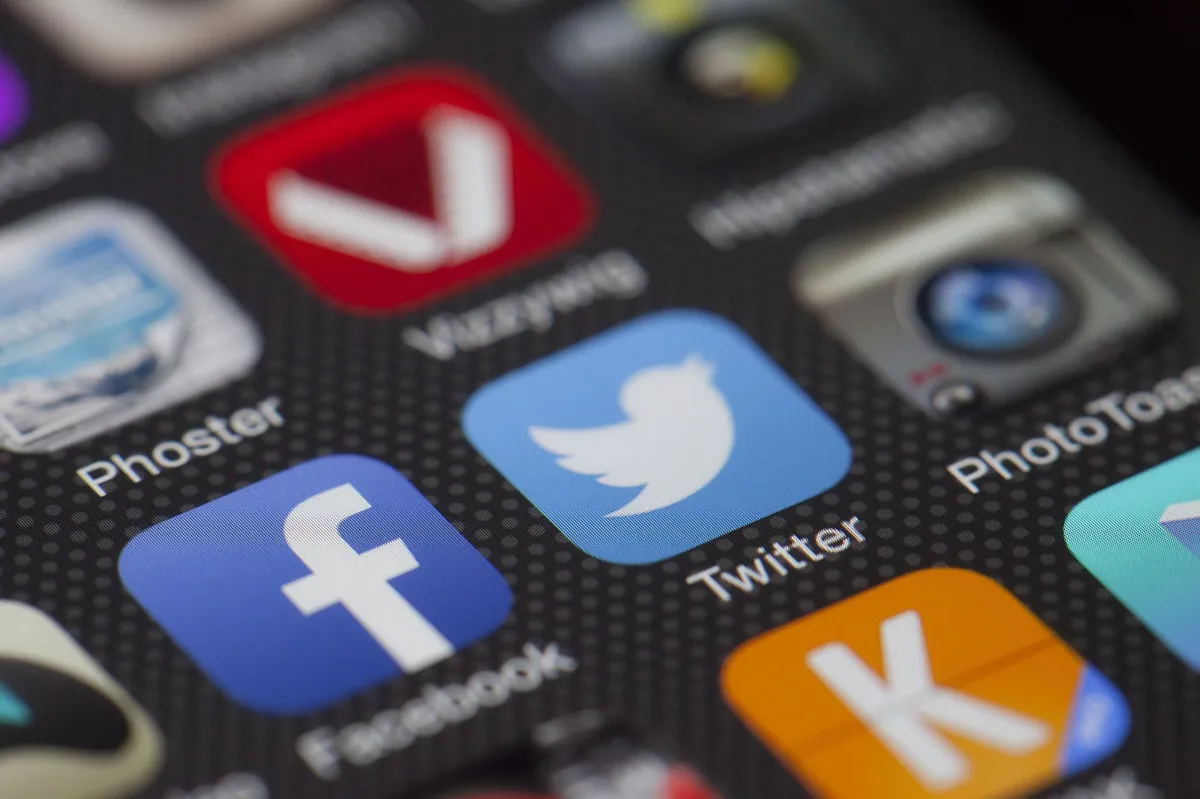
P.M-Y.'s lawsuit was emblematic of a growing trend: more than 3,300 personal injury cases have been consolidated in California state court, each asserting that social media platforms are directly linked to increased addiction and mental health issues in minors. With TikTok, Meta, Google, and Snap at the center of litigation, these platforms have faced mounting pressure to address their roles in shaping the online experiences of young users.
What Sparked the Legal Action?
The legal framework surrounding these lawsuits is complex, involving claims of negligence and consumer protection violations. The plaintiff argued that the addictive nature of these platforms, combined with their targeted features, contributes to harmful mental health outcomes. The lawsuit claimed that P.M-Y. developed serious mental health conditions after prolonged use of social media, which the defendants have denied, emphasizing that the plaintiff had pre-existing mental health issues prior to her engagement with their platforms.
Ongoing Trials and Broader Implications
Despite the dismissal of P.M-Y.'s claims, the implications of her case and others like it remain profound. Meta is currently embroiled in two separate trials concerning allegations from various states that it purposefully designed its platforms to be addictive, misleading the public about the safety of its products. One of these trials is taking place in federal court in Oakland, California, involving claims from 29 states, while the other is being held in Nashville, Tennessee.
Industry Response
In response to these allegations, social media companies have publicly stated their commitment to user safety. Meta has highlighted its measures to protect young users, arguing that it prioritizes safety and well-being through a range of tools and controls. Google-owned YouTube echoed this sentiment, asserting that they provide age-appropriate experiences and parental controls. Snap has also committed to enhancing educational resources aimed at supporting users in navigating their platforms safely.

The Role of Bellwether Trials
Bellwether trials, like P.M-Y.'s, serve a crucial function in the legal landscape. They provide a barometer for how juries may respond to similar cases, helping attorneys evaluate the potential outcomes of their claims. The outcome of P.M-Y.'s case could have offered valuable insights into juror sentiments regarding social media accountability. However, with her withdrawal, the landscape of these bellwether trials remains uncertain.
Impacts of Precedent-Setting Cases
The outcomes of these cases could significantly impact not only the companies involved but also the broader regulatory environment. A previous case involving a woman who claimed addiction to social media resulted in a jury awarding $4.2 million against Meta and $1.8 million against Google, showcasing the potential financial ramifications for these corporations. As more teens pursue similar claims, the pressure intensifies for social media companies to reassess their design practices and implement more robust safety measures.
Key Takeaways
- P.M-Y. drops her lawsuit, aiming to prioritize her health.
- Meta and others face ongoing trials regarding mental health impacts of social media.
- Bellwether trials play a critical role in shaping legal strategies for future cases.
- Social media companies assert their commitment to user safety through various measures.
- Financial outcomes from similar cases may lead to regulatory changes.
Frequently Asked Questions
What are bellwether trials and why are they important?
Bellwether trials are test cases used in mass tort litigation to predict the outcomes of numerous similar lawsuits. They help attorneys gauge how juries might respond to specific claims, thus informing settlement negotiations and legal strategies. By observing the verdicts and juror behaviors in these trials, lawyers can better assess the potential value of remaining cases, which is crucial for both plaintiffs and defendants in planning their next steps.
What impact does the withdrawal of a case have on ongoing litigation?
When a plaintiff withdraws a case, it does not necessarily affect the legal standing or proceedings of ongoing litigation. However, it can alter the dynamics of bellwether trials and the perception of similar claims. The withdrawal may create a precedent that could influence juror sentiment in future cases, especially if the reasons for withdrawal resonate with potential jurors or if the media coverage frames the withdrawal in a certain light.
How are social media companies addressing mental health concerns?
In light of growing scrutiny over their impact on mental health, social media companies have begun to implement various measures aimed at enhancing user safety. These may include introducing features that limit screen time, providing parental controls, and enhancing educational resources to promote healthy usage habits. Despite these efforts, critics argue that more robust regulations and accountability measures are necessary to protect vulnerable populations, particularly minors.
What are the potential consequences for social media companies if they lose these lawsuits?
The potential consequences for social media companies can be significant, ranging from financial penalties to mandatory changes in their operating practices. A jury verdict against these companies could lead to substantial monetary damages, as seen in previous cases. Furthermore, adverse outcomes could prompt regulatory bodies to impose stricter guidelines and oversight, fundamentally altering how social media platforms operate and engage with young users.
Comments
Navigating a Constrained Casualty Market: AXA XL's New Leadership
AXA XL has appointed Kerry Vitolano to lead its US risk management amid rising casualty rates and tightening market conditions. This article explores her background and the implications for the insurance landscape.

Related articles





Popular in Business Insurance
- Surging War-Risk Insurance Rates in the Strait of Hormuz: What It Means for Shipping
- Ross & Yerger Insurance Faces Class Action Over Data Breach Allegations
- Sompo Expands U.S. Workers' Compensation Portfolio with Service Insurance Acquisition
- Legal Battle Unfolds Over $1 Million Truck Crash Insurance Payout
- Howden Group's Ambitious Journey Toward IPO and Expansion