Deere Agrees to Historic Settlement Over Repair Restrictions
Deere's recent settlement with the FTC and several states marks a significant shift in farmers' rights to repair their equipment. The agreement aims to enhance competition and accessibility in agricultural machinery repair.
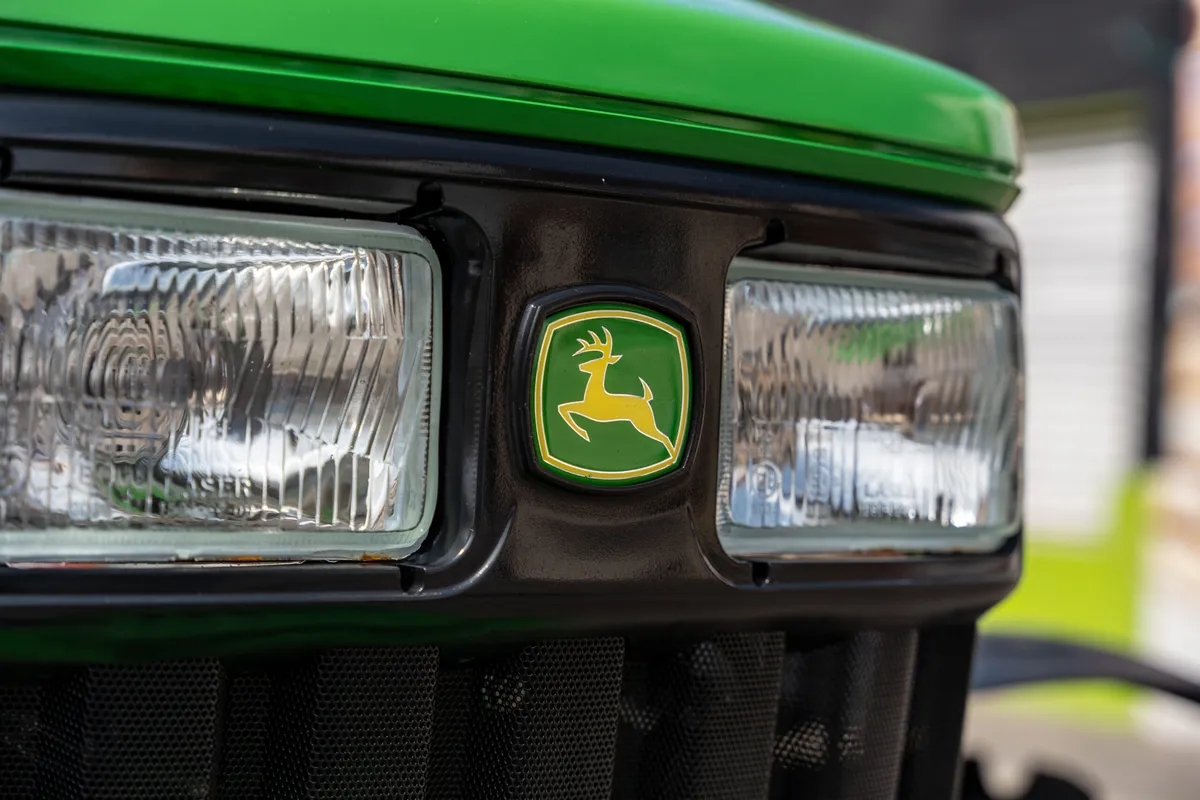
In a landmark decision that could reshape the landscape of agricultural machinery repair, Deere & Company has agreed to a settlement with the Federal Trade Commission (FTC) and several states regarding restrictive repair practices. On July 8, 2026, Deere accepted terms that will allow farmers greater freedom to repair their equipment without being forced to rely solely on authorized dealers. This decision comes at a time when the right to repair is gaining traction across various industries, emphasizing consumer choice and competition.
The settlement stems from a lawsuit initiated on January 15, 2025, which accused Deere of monopolizing repair services by compelling farmers to use its authorized dealer network. This practice, according to the FTC, led to inflated repair costs and significant delays, adversely affecting farmers' operations and, consequently, the agricultural supply chain.
Understanding the Settlement's Implications
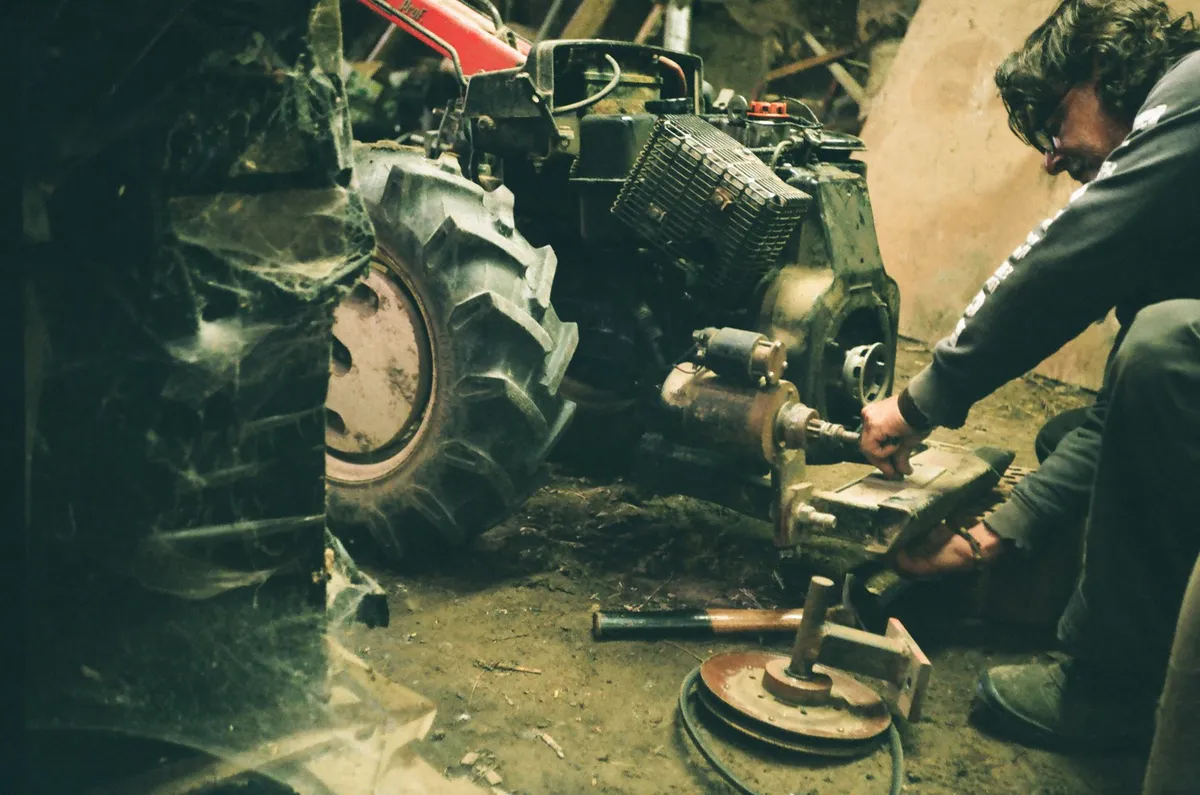
The settlement requires Deere to provide farmers and independent repair providers with access to diagnostic tools and repair resources equivalent to those available to authorized dealers. This access will last for a decade, allowing farmers the ability to maintain their equipment more effectively and at lower costs. Furthermore, the agreement stipulates that new repair resources must be made available once more than 50% of authorized dealers have access.
Financial Impact of the Settlement
As part of the settlement, Deere will also pay $1 million to cover the legal fees incurred by the states involved in the lawsuit. While Deere did not admit to any wrongdoing, the financial implications of this agreement are significant. Earlier, the company had settled a related private class-action litigation for $99 million, indicating the mounting pressures and costs associated with its previous repair policies.
The Right to Repair Movement
The Deere case is a critical part of the broader right to repair movement, which advocates for the rights of consumers and businesses to repair their own devices and machinery without being beholden to manufacturers. This movement has gained momentum in recent years, with various industries, from electronics to automotive, facing scrutiny over similar restrictive practices.
Proponents argue that allowing independent repair options can lead to:
- Lower costs: Farmers often face high repair bills when relying solely on authorized dealers.
- Increased competition: Independent repair providers can foster a competitive environment that benefits consumers.
- Reduced downtime: Farmers can address equipment failures more swiftly without waiting for dealer availability.
Historical Context and Regulatory Landscape
The lawsuit against Deere emerged from a broader initiative during the Biden administration aimed at addressing anti-competitive practices across various sectors. Agriculture, a cornerstone of the U.S. economy, has long faced scrutiny regarding monopolistic behavior, particularly as it pertains to essential equipment used in farming.
This case highlights the importance of antitrust laws, which have been foundational in American economic policy since the late 19th century. Historical figures like Thomas Jefferson recognized the significance of protecting farmers as vital contributors to the nation. Today, the FTC's actions reflect a renewed commitment to ensuring that farmers have the tools they need to operate effectively and competitively.
Reactions from Stakeholders
The settlement has drawn praise from various stakeholders, including farmers and agricultural advocates. Daniel Guarnera, the director of the FTC competition bureau, emphasized that this decision restores the traditional rights of farmers to repair their own machinery without incurring unnecessary costs. Furthermore, FTC Chairman Andrew Ferguson underscored the role of competition in agriculture as vital to preserving the American way of life.
However, some critics argue that the settlement does not go far enough. They contend that the agreement should include more stringent measures to ensure ongoing compliance and transparency in repair practices. As the agricultural landscape continues to evolve, stakeholders will be closely monitoring Deere's adherence to these new obligations.
Future Considerations for Farmers and the Industry
As the agricultural sector adapts to this new regulatory framework, farmers and independent repair providers should remain vigilant. Understanding the specifics of this settlement will be crucial for all parties involved. Farmers should:
- Educate themselves: Familiarize themselves with their rights under the settlement.
- Engage with independent providers: Explore partnerships with independent repair services that can offer competitive pricing and timely service.
- Advocate for transparency: Demand clear communication from Deere and other manufacturers regarding available repair resources.
Key Takeaways
- Deere's settlement allows farmers greater freedom to repair their own equipment.
- The agreement mandates access to diagnostic tools for the next 10 years.
- Farmers should leverage independent repair providers to reduce costs.
- This case reflects the growing right to repair movement across various industries.
Frequently Asked Questions
What does the Deere settlement mean for farmers?
The settlement allows farmers to access the same repair resources that authorized dealers use, enabling them to repair their own machinery or seek help from independent providers. This change aims to lower repair costs and reduce delays in service, ultimately benefiting farmers' operations.
How long will the settlement's terms last?
The settlement's terms will be in effect for ten years, during which Deere is required to provide farmers and independent repair providers access to diagnostic resources and tools necessary for repairs.
What should farmers do to take advantage of this settlement?
Farmers should educate themselves about their rights under the settlement, engage with independent repair services, and advocate for transparency from Deere regarding available repair resources. This proactive approach will help them maximize the benefits of the settlement.
How does this settlement fit into the larger right to repair movement?
The Deere settlement is a significant step in the right to repair movement, which seeks to empower consumers and businesses by allowing them the freedom to repair their own devices and machinery. This case exemplifies the ongoing efforts to enhance competition and accessibility in various industries, particularly in agriculture.
Comments
Arch Insurance Launches Direct Transactional Liability Team Amid Market Changes
Arch Insurance North America has unveiled a direct transactional liability team focusing on representations and warranties and tax coverage products. This strategic move comes at a critical juncture in the market, where underwriting capacity and claims experiences are increasingly significant for M&A transactions.

Related articles







Popular in Business Insurance
- Surging War-Risk Insurance Rates in the Strait of Hormuz: What It Means for Shipping
- Ross & Yerger Insurance Faces Class Action Over Data Breach Allegations
- Sompo Expands U.S. Workers' Compensation Portfolio with Service Insurance Acquisition
- Legal Battle Unfolds Over $1 Million Truck Crash Insurance Payout
- Howden Group's Ambitious Journey Toward IPO and Expansion