Legal Battles Erupt Over Trump's Environmental Rollbacks
The Trump administration's aggressive environmental deregulations face significant legal challenges, with federal courts frequently ruling against the EPA's rollbacks. This article explores the implications of these rulings and the ongoing struggle for environmental protection in the U.S.
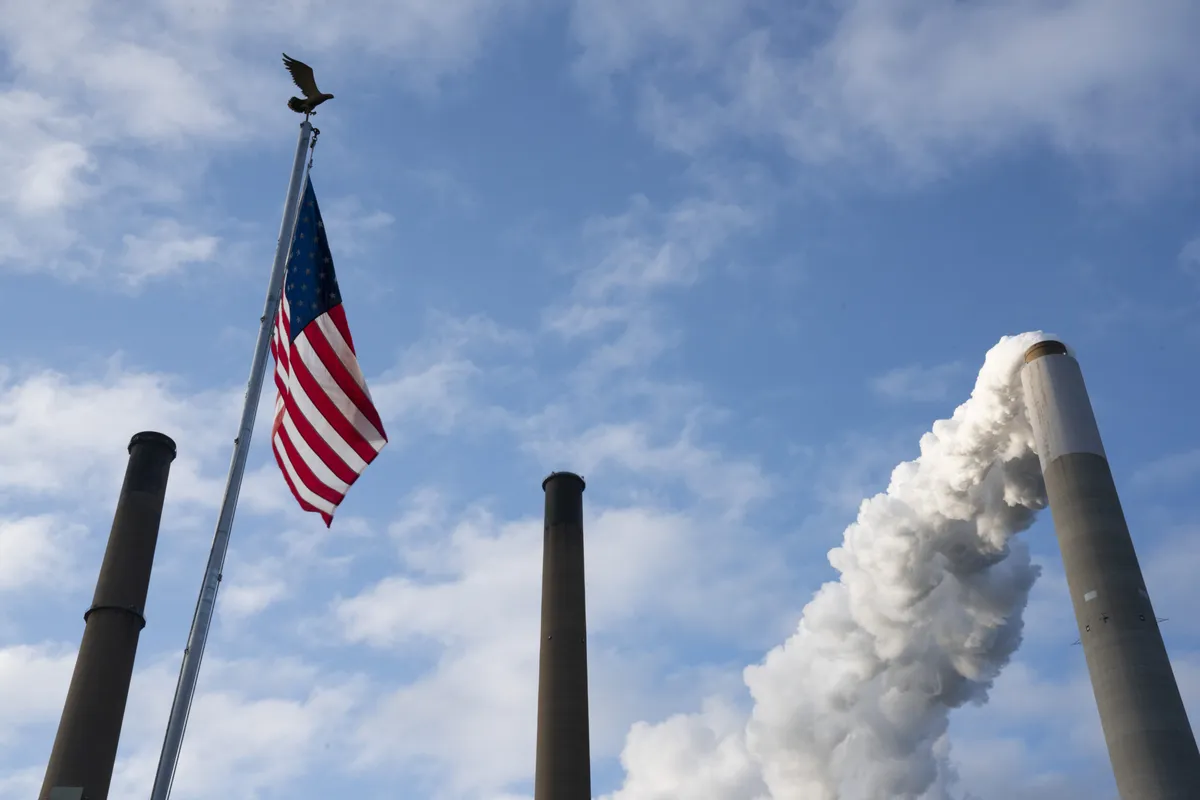
In a significant turn of events, the Trump administration's attempts to dismantle federal environmental protections are being met with staunch resistance in the courts. Over the last several months, federal judges across the nation have issued a series of rulings that challenge the Environmental Protection Agency's (EPA) efforts to roll back measures aimed at combating climate change and regulating pollution. This article delves into the complexities of these legal battles, the implications for environmental policy, and what these developments mean for the future of environmental protection in the United States.
The Landscape of Environmental Deregulation
Since taking office, the Trump administration has championed a deregulation agenda that seeks to undo many of the environmental policies established during the previous administration. This has included attempts to eliminate billions in climate grants and roll back air quality standards established during the Biden era. However, this aggressive approach has led to a surge of legal challenges from environmental groups, state officials, and even some companies that fear the long-term implications of such rollbacks.
As legal battles unfold, federal courts have increasingly sided against the EPA in its endeavors to rescind environmental protections. As of mid-2026, judges have ruled against the agency in over half of the cases regarding its deregulatory initiatives. Legal experts argue that these decisions represent a crucial check on the agency's power and a reaffirmation of the importance of environmental protections.
Key Legal Challenges and Outcomes
The legal challenges against the Trump administration's environmental policies are varied, encompassing a range of issues from air quality standards to grant program cancellations. The recent rulings highlight a few significant cases that illustrate the complexity and stakes involved.
Soot Standards and Air Quality Regulations
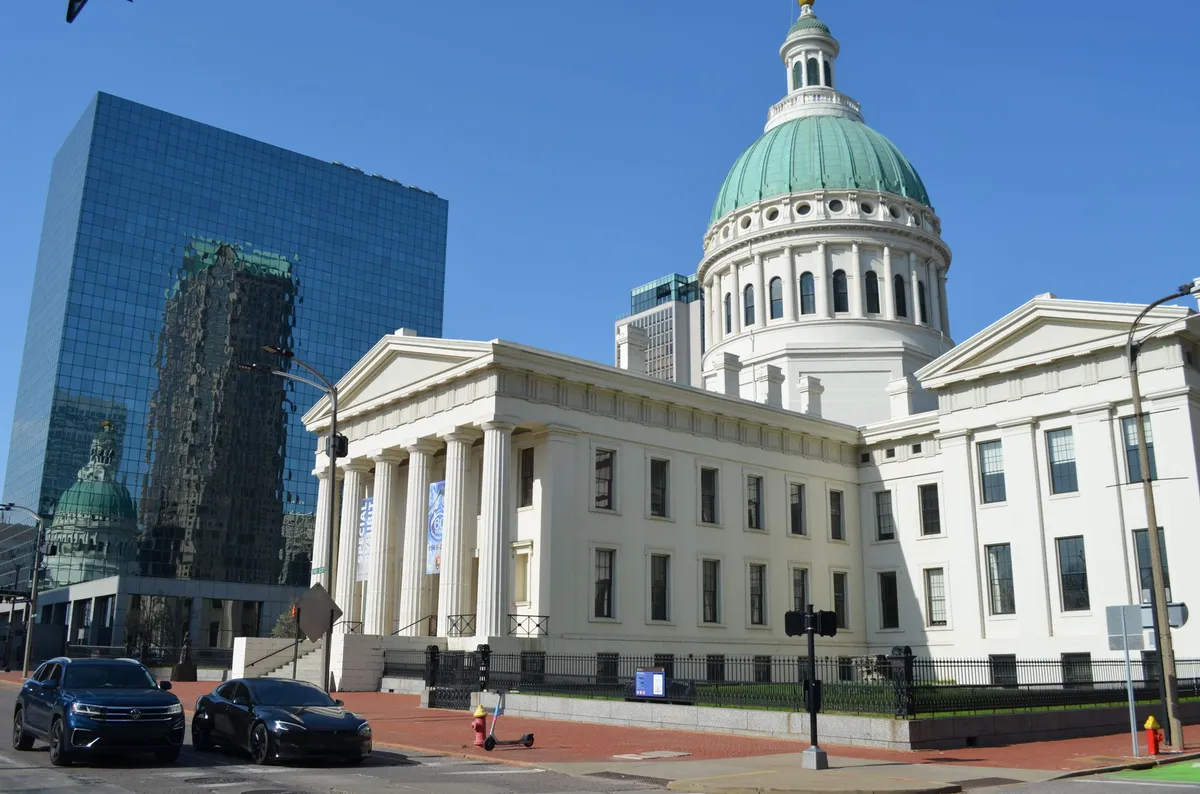
One of the most notable rulings came from the U.S. Court of Appeals for the D.C. Circuit, which upheld stricter soot standards originally implemented by the Biden administration. These standards, designed to reduce air pollution and protect public health, faced opposition from more than 20 Republican-led states that argued they were overly burdensome. However, the court's unanimous decision to reaffirm these standards marked a critical victory for environmental advocates.
In a related case, a California federal judge ordered the Trump EPA to comply with a legal deadline for implementing these soot standards, emphasizing the agency's legal obligation to uphold the Clean Air Act as written. The ruling underscores the judiciary's role in ensuring that regulatory agencies adhere to established environmental laws.

The Battle Over Environmental Grants
Another area of contention has been the EPA's termination of multiple grant programs aimed at supporting climate initiatives. In a case involving the $7 billion Solar for All program, a federal judge dismissed challenges to the program's cancellation, stating that the case belonged in a different court. However, the agency faced setbacks in other cases, such as the ruling in South Carolina where the court deemed the termination of the Environmental and Climate Justice grant program to be "arbitrary and capricious," requiring the EPA to restart the program.
These rulings highlight a growing trend where courts are willing to intervene when they perceive agency actions as lacking a solid legal foundation. This trend is significant as it ensures that federal agencies remain accountable to both the law and the public interest.
The Implications of Court Rulings
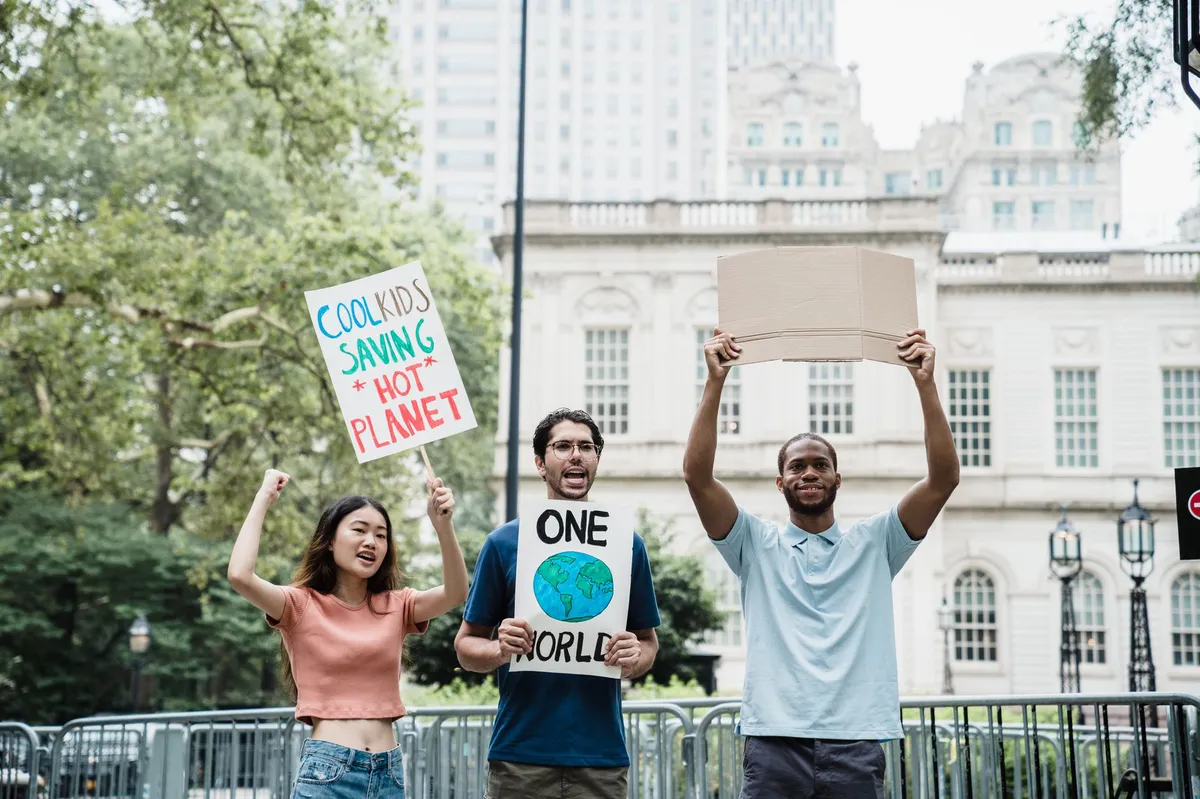
The recent court rulings against the Trump administration's environmental rollbacks signify more than just legal victories for environmentalists; they also have profound implications for the future of environmental policy in the United States. As legal expert Jody Freeman of Harvard University points out, these decisions reflect a judicial commitment to maintaining robust environmental protections, even amidst aggressive attempts at deregulation.
Moreover, the legal outcomes are critical for ongoing climate action. Delays and setbacks in implementing environmental protections can hinder progress in reducing greenhouse gas emissions and addressing climate change. As Freeman noted, "Delay is a problem, especially with climate action because the lost time is lost momentum to cut greenhouse gases." This sentiment resonates deeply in a time when immediate action is necessary to mitigate the impacts of climate change.
What Lies Ahead for the EPA
As the EPA navigates these legal challenges, agency spokesperson Brigit Hirsch has maintained that the agency is committed to following the law and intends to appeal several unfavorable rulings. The agency's ability to successfully appeal these decisions will determine how much leeway it has in implementing its deregulatory agenda moving forward.
While the Trump administration has found some success in smaller deregulatory efforts—such as adjustments to emission calculations for industrial facilities—its broader ambitions face significant legal hurdles. The outcomes of these appeals will not only shape the regulatory landscape but also set important precedents for future administrations.
Key Takeaways
- The Trump administration's environmental rollbacks are facing significant legal challenges, with courts frequently ruling against the EPA.
- Recent rulings have upheld stricter air quality standards and reinstated key grant programs aimed at supporting climate initiatives.
- These judicial decisions underscore the importance of legal accountability in environmental regulation.
- The outcomes of appeals will be crucial for the EPA's future regulatory authority and the direction of U.S. environmental policy.
Frequently Asked Questions
What are the implications of the court rulings against the Trump administration's environmental policies?
The court rulings signal a strong judicial commitment to uphold established environmental protections, emphasizing the legal accountability of federal agencies. These decisions not only protect public health by maintaining stricter air quality standards but also ensure that grant programs aimed at combating climate change are not arbitrarily dismantled. This commitment is vital as the U.S. grapples with urgent environmental challenges.
How does the EPA plan to respond to unfavorable court rulings?
The EPA has expressed its intention to appeal several of the recent unfavorable rulings. Agency officials, including spokesperson Brigit Hirsch, assert their commitment to following the law and fulfilling their regulatory obligations. The appeals will be crucial in determining the agency's latitude in implementing its deregulatory agenda and may shape the future of environmental policy in the United States.
What role do state officials and environmental groups play in these legal challenges?
State officials and environmental groups have been instrumental in challenging the Trump administration's environmental rollbacks. By filing lawsuits and advocating for stronger protections, they have served as a check on the agency's attempts to dismantle regulations. Their involvement not only highlights the importance of public advocacy in shaping environmental policy but also underscores the collaborative efforts needed to ensure robust protections for the environment.
Comments
Ben & Jerry's Legal Battle: A Case of Corporate Activism and Censorship
A federal judge has dismissed significant portions of Ben & Jerry's lawsuit against Unilever, raising questions about corporate governance and social activism in business. This article explores the implications of the ruling and what it means for the future of socially responsible companies.

Related articles







Popular in Business Insurance
- Surging War-Risk Insurance Rates in the Strait of Hormuz: What It Means for Shipping
- Ross & Yerger Insurance Faces Class Action Over Data Breach Allegations
- Sompo Expands U.S. Workers' Compensation Portfolio with Service Insurance Acquisition
- Legal Battle Unfolds Over $1 Million Truck Crash Insurance Payout
- Howden Group's Ambitious Journey Toward IPO and Expansion