Tesla's Massive Recall: Door Handle Safety Concerns Affect 3 Million EVs
Tesla's recent recall of nearly 3 million vehicles in China highlights serious safety issues related to electric door handles, raising concerns about occupant safety during emergencies. This unprecedented action, part of a broader recall affecting over 4 million vehicles, underscores the growing scrutiny on EV safety standards.
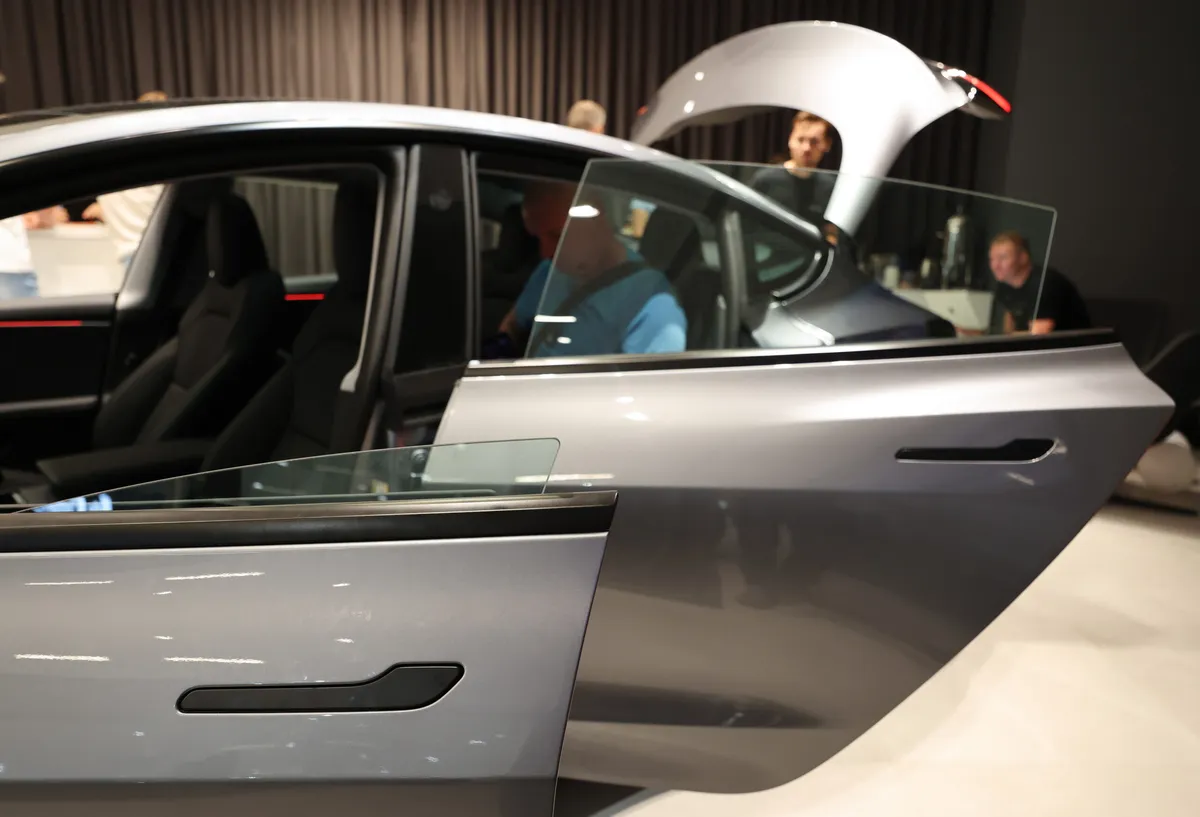
In a staggering move that underscores the heightened focus on automotive safety in the electric vehicle (EV) sector, Tesla has announced a recall of nearly 3 million cars in China due to serious concerns regarding the safety of its electronically controlled door handles. This recall, one of the largest in history, is part of a wider initiative affecting over 4 million vehicles across multiple automakers in the world's largest auto market. The decision comes amid escalating scrutiny of EV safety standards and the tragic consequences of design flaws that have placed drivers and passengers at risk.
The door handles in question, designed to be flush with the vehicle's body, have been implicated in multiple incidents where occupants found themselves trapped inside their vehicles following collisions. In some harrowing cases, individuals survived the initial impact of high-speed crashes only to suffer severe injuries or fatalities due to their inability to exit the vehicle, particularly when fires erupted post-collision. This situation has prompted significant alarm among regulators, consumers, and safety advocates alike.
The Nature of the Recall
The recall affects Tesla vehicles equipped with an electronic door handle mechanism that can fail in the event of a crash, potentially preventing occupants from escaping and obstructing rescue efforts. According to China's State Administration for Market Regulation, the flaws associated with these door handles represent a serious safety hazard. As part of the remedy, Tesla will implement a software update that automatically lowers the windows after an accident, while also adding warning labels to indicate the location of emergency door release mechanisms.
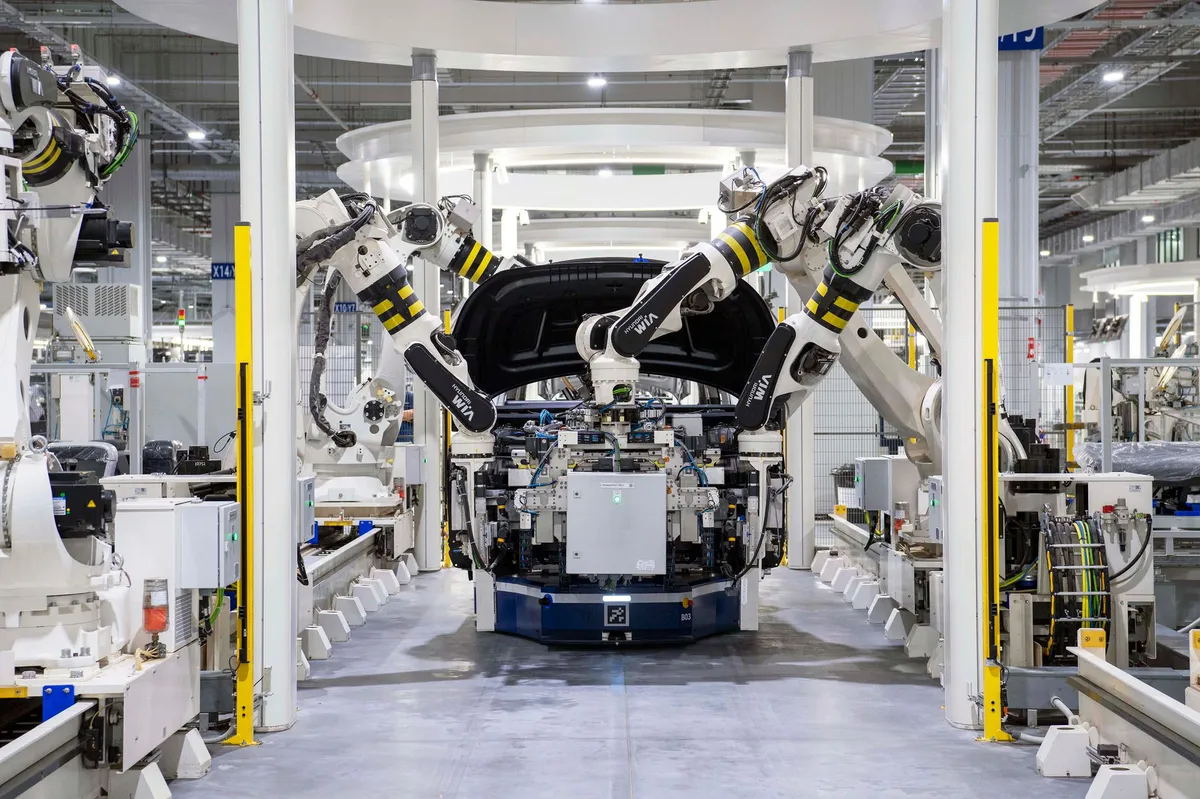
In addition to Tesla's massive recall, other manufacturers are also responding to similar safety concerns. For instance, Xiaomi is recalling approximately 390,435 of its SU7 electric sedans, while Zhejiang Leapmotor Technology Co. Ltd. is recalling around 371,200 vehicles. The total number of EVs affected by safety risks associated with door handles across nine different automakers has reached an alarming 4.27 million.
The Broader Context of EV Safety
China's regulatory response comes in the wake of rising fatalities linked to door handle malfunctions, including incidents involving Xiaomi vehicles that prompted the government to ban concealed door handles in electric vehicles earlier this year. This regulatory action signals a shift towards more stringent safety standards in the rapidly evolving electric vehicle market, where innovation often outpaces regulatory frameworks.
Despite Tesla's proactive measures to address these safety concerns, critics argue that the fixes may not adequately resolve the inherent risks posed by combining electronic and manual door-release systems. Michael Brooks, executive director of the Center for Auto Safety, has emphasized the need for a more robust solution, stating that integrating both mechanisms into a single handle could significantly enhance occupant safety during emergencies. The current approach, while a step in the right direction, may not be sufficient to truly mitigate the risks associated with electric door handles.
Implications for U.S. Consumers
The ramifications of Tesla's recall extend beyond China, as U.S. auto safety regulators are closely monitoring the situation. The National Highway Traffic Safety Administration (NHTSA) has initiated an investigation into complaints regarding door-related entrapment in certain Tesla Model Y vehicles, raising the possibility of a similar recall in the United States. Lawmakers are also considering legislation that would mandate manual door releases in new vehicles, along with provisions for first responders to access locked cars when power is lost.
As these developments unfold, consumers in the U.S. should remain vigilant and informed. A recall similar to the one initiated in China could very well be on the horizon, as manufacturers typically align their safety measures across different markets. For Tesla owners and other EV drivers, understanding the potential risks associated with electronic door mechanisms is critical for ensuring personal safety.
Consumer Safety and Advocacy
The growing number of recalls and safety concerns surrounding electric vehicles has prompted increased advocacy for consumer safety. Organizations like the Center for Auto Safety are urging manufacturers to prioritize mechanical and component-level safety in their designs, rather than relying solely on software updates and electronic systems that may fail under duress. This advocacy is crucial in a market that is evolving rapidly, with many consumers unaware of the potential risks associated with modern vehicle features.
For consumers, staying informed about vehicle recalls and safety issues is essential. Websites like the NHTSA's recall portal provide up-to-date information on vehicle safety recalls, allowing consumers to check if their vehicles are affected. Additionally, engaging with automakers directly and voicing concerns can influence the speed and efficacy of safety improvements.
- Be proactive: Regularly check for recalls on your vehicle through the NHTSA website.
- Know your rights: Familiarize yourself with consumer protection laws related to automotive safety.
- Advocate for safety: Support organizations that push for stricter auto safety regulations and advocate for consumer rights.
Key Takeaways
- Tesla's recall of nearly 3 million vehicles in China highlights significant safety risks associated with electronic door handles.
- Over 4 million vehicles from various manufacturers are affected by similar safety concerns.
- U.S. regulators are investigating potential entrapment issues and may introduce new legislation requiring manual door releases in vehicles.
- Consumers should remain vigilant and informed about vehicle recalls and safety issues.
Frequently Asked Questions
Why is Tesla recalling so many vehicles in China?
Tesla is recalling nearly 3 million vehicles in China due to safety concerns regarding its electronic door handles. These handles can fail during accidents, preventing occupants from escaping and hindering rescue efforts. The recall is part of a broader initiative affecting more than 4 million vehicles across various automakers in response to similar safety issues.
What safety measures is Tesla implementing as part of the recall?
As part of the recall, Tesla will update the software in affected vehicles to automatically lower the windows after an accident. Additionally, the company will affix warning labels to indicate where the emergency door releases are located. However, safety advocates argue that these measures may not fully address the inherent risks associated with electronic door handles.
Could a similar recall occur in the United States?
Yes, a similar recall could potentially occur in the United States. The National Highway Traffic Safety Administration is currently investigating door-related entrapment complaints involving certain Tesla models. Furthermore, U.S. lawmakers are considering legislation that would require manual door releases in new vehicles, which may lead to recalls if safety concerns are validated.
What should consumers do if their vehicle is recalled?
If your vehicle is recalled, it's important to stay informed about the specific issues and remedies being implemented. Check the NHTSA website for updates, and contact your vehicle manufacturer for instructions on how to proceed. Additionally, consider advocating for safer vehicle designs and practices by engaging with consumer safety organizations.
Comments
Ben & Jerry's Legal Battle: A Case of Corporate Activism and Censorship
A federal judge has dismissed significant portions of Ben & Jerry's lawsuit against Unilever, raising questions about corporate governance and social activism in business. This article explores the implications of the ruling and what it means for the future of socially responsible companies.

Related articles




Popular in Business Insurance
- Surging War-Risk Insurance Rates in the Strait of Hormuz: What It Means for Shipping
- Ross & Yerger Insurance Faces Class Action Over Data Breach Allegations
- Sompo Expands U.S. Workers' Compensation Portfolio with Service Insurance Acquisition
- Legal Battle Unfolds Over $1 Million Truck Crash Insurance Payout
- Howden Group's Ambitious Journey Toward IPO and Expansion