Nuclear Verdicts Surge 40.7% in 2025: What It Means for Businesses
In 2025, nuclear verdicts against corporations skyrocketed by over 40%, totaling $25.6 billion. This article explores the implications of these record-breaking judgments for businesses and the insurance industry.
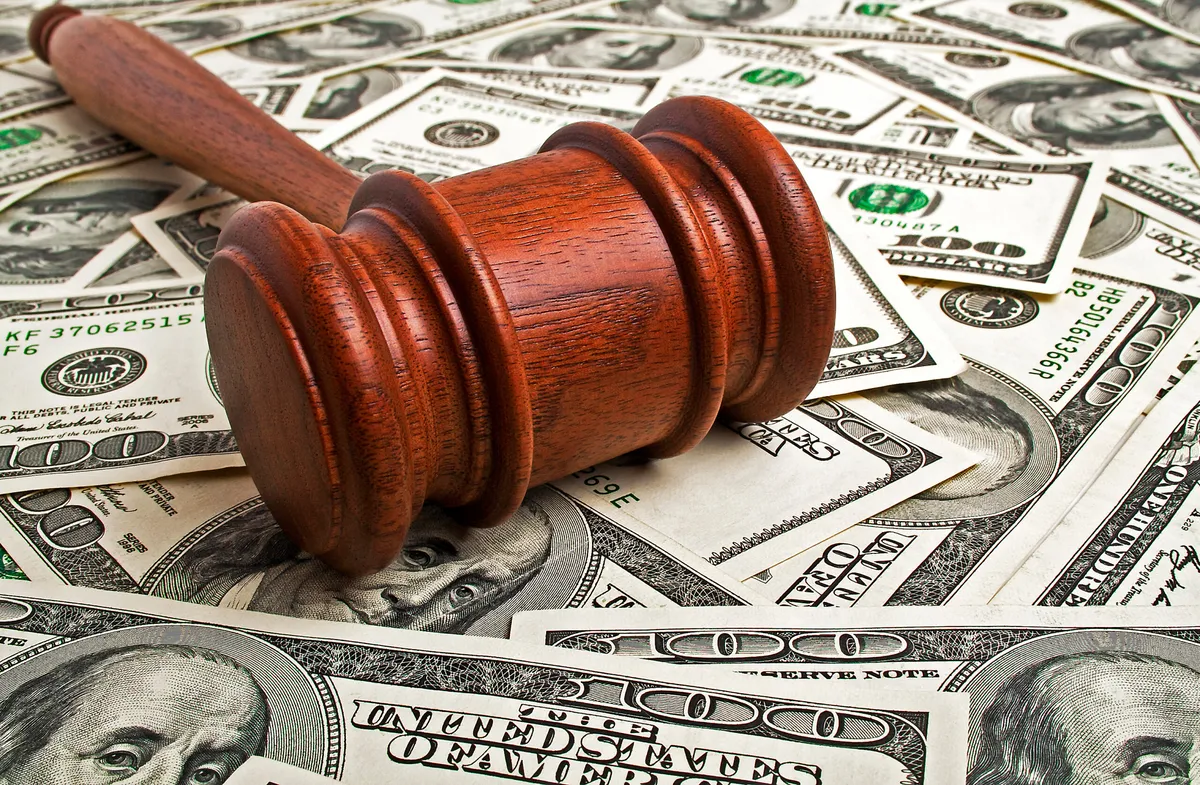
The legal landscape in the United States saw an alarming trend in 2025 as the phenomenon of nuclear verdicts—judgments exceeding $10 million against companies—reached unprecedented levels. A report by Marathon Strategies revealed that the number of these verdicts surged by **40.7%** compared to 2024, amounting to nearly **200 cases** and a staggering **$25.6 billion** in total awards. This increase marks the highest yearly total since 2009 and reflects a growing trend of public mistrust towards corporations and a shift in jury demographics.
As the legal system grapples with these record-breaking verdicts, it raises pressing questions for businesses, especially in terms of liability, risk management, and insurance coverage. Navigating this evolving legal environment is critical for companies across various sectors, from pharmaceuticals to automotive industries, as they grapple with the implications of these large-scale judgments.
Nuclear Verdicts: Defining the Term and Its Implications
In legal terminology, a **nuclear verdict** refers to an exceptionally high jury award, typically exceeding $10 million. These verdicts are increasingly prevalent in cases involving significant corporate misconduct, product liability, and other disputes where public sentiment runs high. The term reflects not just the financial implications of such judgments but also their capacity to significantly impact a company's reputation and operational viability.
The consequences of nuclear verdicts can be dire for companies. An award of $100 million or more—termed a **thermonuclear verdict**—can cripple a business, leading to bankruptcy or significant operational changes. In 2025, four verdicts surpassed the $1 billion mark, signaling a shift in how juries perceive corporate accountability.
Key Factors Driving the Increase
According to Marathon's report, multiple factors contributed to the surge in nuclear verdicts:
- Corporate Mistrust: Growing skepticism towards big corporations has fueled a pro-plaintiff sentiment among jurors.
- Social Pessimism: A general sense of pessimism in society has led jurors to seek accountability from corporations they perceive as unethical.
- Erosion of Tort Reform: Legal reforms aimed at limiting damages have weakened, making it easier for plaintiffs to secure large verdicts.
- Demographics of Jurors: An increase in younger jurors, particularly Millennials and Gen Z, who prioritize ethics and corporate responsibility.

Industries Most Affected by Nuclear Verdicts
The report highlights that **68 industries** were impacted by nuclear verdicts in 2025, a significant rise from **55 in 2024**. Key sectors included:
- Beverage and Food Industries: Faced substantial product liability claims.
- Pharmaceuticals: Known for high-stakes litigation, particularly regarding drug safety.
- Automotive Sector: Liability claims related to safety standards and product defects.
- Hotels and Restaurants: Often involved in negligence claims.
- Banking and Financial Services: Liable for breaches of trust and ethical misconduct.
Notably, the insurance industry itself encountered five nuclear verdicts totaling **$390 million** in 2025, underscoring the critical need for insurance providers to reassess risk exposure.
Emerging Areas of Risk
As we move forward, new areas of potential liability are emerging:
- PFAS Litigation: Companies involved in the production of per- and polyfluoroalkyl substances are facing increasing litigation over environmental damage.
- AI Liability: As artificial intelligence technology proliferates, questions about accountability for AI-driven decisions become paramount.
- Deepfakes: The rise of deepfake technology invites risks related to misinformation and defamation.
- Climate Attribution: Companies may soon face lawsuits for their role in climate change.

State Responses: Tort Reform Measures
In response to the rising tide of nuclear verdicts, several states enacted tort reform laws in 2025. Eight states, including Arkansas, Georgia, and South Carolina, implemented measures aimed at capping damages and increasing transparency regarding third-party litigation funding. While these reforms may mitigate some risks, they highlight a complex relationship between legal frameworks and public sentiment.
For instance, Florida experienced a notable resurgence in nuclear verdicts, totaling **$2.5 billion** in 2025 despite previous tort reforms aimed at reducing such outcomes. This illustrates the ongoing tension between legislative efforts and the unpredictable nature of jury decisions.
Analyzing the Impact on Insurance Premiums
The surge in nuclear verdicts is likely to have profound implications for insurance premiums across various industries. As insurers grapple with the increased risk, businesses may face rising premiums, stricter underwriting guidelines, and more comprehensive coverage requirements. The insurance industry must adapt quickly to these changes to remain viable.
For example, a company that previously paid **$50,000** annually for general liability insurance might see that premium double or triple in light of increased claims related to nuclear verdicts, depending on the risk profile established by the insurance provider.
Key Takeaways
- Nuclear verdicts increased by 40.7% in 2025, totaling $25.6 billion.
- 68 industries were affected by these verdicts, with significant impacts on pharmaceuticals and automotive sectors.
- Emerging risks such as AI, PFAS, and deepfakes are becoming critical considerations for businesses.
- State tort reforms are being enacted, but their effectiveness remains uncertain amidst public sentiment.
- Insurance premiums are likely to rise in response to the increased risk from nuclear verdicts.
Frequently Asked Questions
What constitutes a nuclear verdict?
A nuclear verdict is defined as a jury award that exceeds $10 million, typically arising from high-stakes litigation involving corporate misconduct or negligence. These verdicts can significantly impact a company's financial health and public image.
How are insurance companies affected by nuclear verdicts?
Insurance companies face increased claims and liabilities due to the rise in nuclear verdicts, leading to higher premiums and stricter underwriting criteria. Insurers must adjust their risk models to account for the heightened potential for large awards in litigation.
What trends are driving the rise in nuclear verdicts?
The rise in nuclear verdicts is driven by factors such as corporate mistrust, social pessimism, and demographic shifts in juries. Younger jurors tend to prioritize ethical considerations and may be more inclined to award larger sums against companies perceived as unethical.
Are state tort reforms effective in reducing nuclear verdicts?
While some states have enacted tort reforms aimed at capping damages, the effectiveness of these measures remains uncertain. Public sentiment and jury dynamics play a significant role in determining verdict outcomes, often overriding legislative changes.
Comments
Transforming Employee Benefits: The Journey of Mitch Davis
Mitch Davis's unconventional path to becoming an employee benefits advisor highlights the profound impact of personal experiences on professional choices. Through his work, he redefines how businesses approach employee benefits, emphasizing strategic relationships and innovative solutions in a complex landscape.

Related articles


Popular in Business Insurance
- Surging War-Risk Insurance Rates in the Strait of Hormuz: What It Means for Shipping
- Ross & Yerger Insurance Faces Class Action Over Data Breach Allegations
- Sompo Expands U.S. Workers' Compensation Portfolio with Service Insurance Acquisition
- Legal Battle Unfolds Over $1 Million Truck Crash Insurance Payout
- Howden Group's Ambitious Journey Toward IPO and Expansion