Navigating the Claims Gap in Freight's Green Transition
As freight operations shift towards electrification and alternative fuels, insurers and brokers face new and complex challenges. This article explores the claims gap that is emerging and what it means for the future of freight insurance.
The global freight industry is undergoing a seismic shift as it pivots toward decarbonization. With transportation being the second-largest source of carbon emissions worldwide, the need to transition from fossil fuels has never been more pressing. However, as this transition accelerates, a troubling gap is emerging in the insurance coverage and claims processes that are necessary to support this evolution. Electric trucks, cargo ships adopting alternative fuels, and the maritime sector's adaptation to new regulations are creating unprecedented challenges for brokers and insurers alike. A recent report by Reuters Events and AXA XL sheds light on these issues, revealing the urgent need for a comprehensive understanding of the risks involved in the transition to a low-carbon economy.
The report highlights a critical situation: the pace of energy transition is outstripping the development of repair infrastructures and insurance policies that align with new technologies. With brokers working closely with clients in various sectors—ranging from haulage to maritime trade—the ramifications of this claims gap are already becoming apparent. As businesses scramble to adapt to electric vehicles (EVs) and alternative fuels, the implications for claims, coverage, and overall risk management are complex and multifaceted.
Understanding the Claims Gap in Road Freight
The most immediate concern lies within the realm of road freight. According to DNV's 2026 Energy Transition Outlook, battery-electric drive trains have emerged as the preferred option over hydrogen fuel cells for heavy-duty trucks. However, the transition has not come without its challenges. Electric vehicles are reported to cost between 20% and 25% more to repair than their internal combustion engine counterparts, raising significant concerns for fleet operators and insurers alike.
Several factors contribute to this increased cost of repair:
- High battery replacement costs
- Shortages of specialist technicians
- Calibration equipment requirements to meet manufacturer standards
Thomas Saive, AXA XL's head of underwriting for motor in Asia Pacific and Europe, notes that while collision frequencies for electric vehicles may be comparable to traditional vehicles, the severity of losses can increase dramatically due to these heightened repair costs. Poonam Sejpal, head of motor underwriting for UK and Lloyds at AXA XL, cites average repair times of up to three months for some electric vehicle models, resulting in replacement hire costs that can exceed the vehicle's market value.

The Financial Implications for Fleet Operators
For freight operators, the financial stakes are high. Take, for instance, the Tesla Semi, which retails for approximately $290,000. Operators need to keep these vehicles on the road for years to recoup their investment. Extended repair times pose a significant threat to their operations, as downtime translates to lost revenue and increased operational costs. The situation is exacerbated by the limited repair capacity in the UK, which has resulted in over £461 million in annual write-off costs for electric vehicles due to rising collision rates and insufficient national repair infrastructure.
Research indicates that approximately one in five electric vehicles involved in a collision is written off, even for minor impacts. This alarming statistic signals a systemic issue rather than a series of isolated incidents. The implications for freight operators are profound, as the unpredictable nature of repair processes can jeopardize their ability to serve clients effectively.
The Maritime Sector's Regulatory Confusion
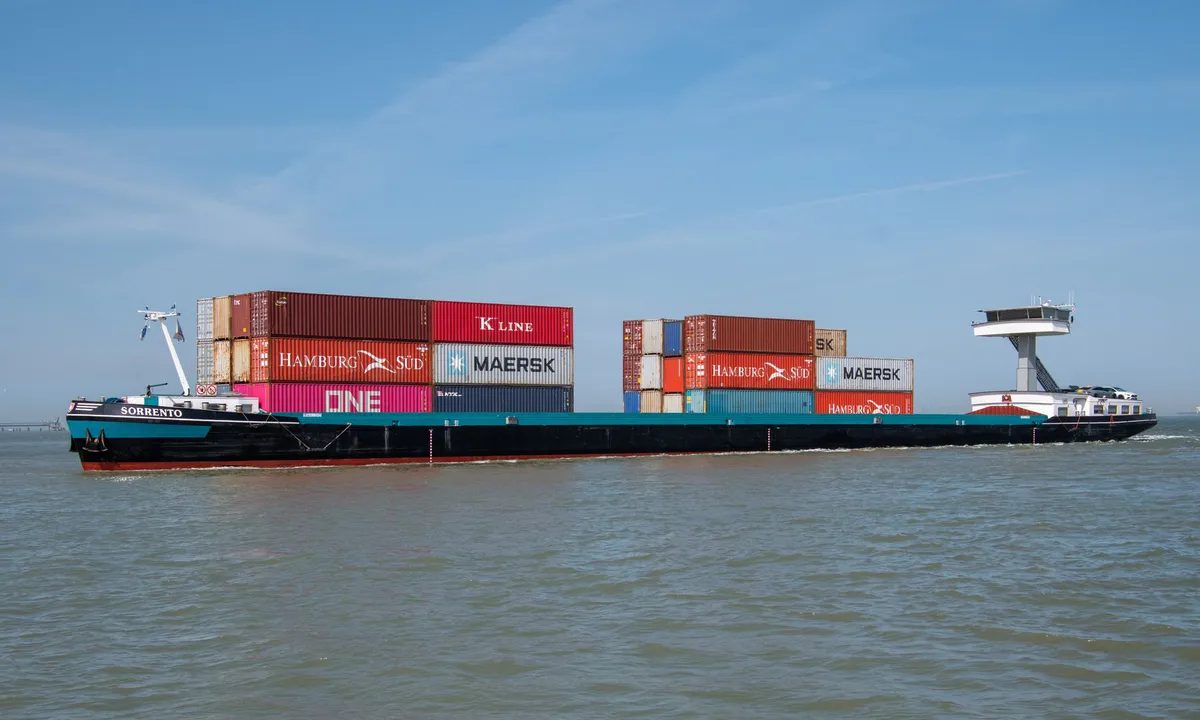
Beyond road freight, the maritime industry is facing its own set of challenges as it grapples with the transition to cleaner fuels. According to DHL Freight Connections, about 90% of the world's freight is transported by sea, and the sector is heavily reliant on bunker fuel—an oil type that is now subject to increasingly stringent sulfur and carbon regulations. The journey toward a decarbonized fleet is fraught with uncertainty, as there is no consensus on the best alternative fuels or propulsion methods.
The Reuters Events report assessed various alternative fuels, including liquefied natural gas (LNG), ammonia, battery-electric, and even nuclear power. However, each option presents its own unique challenges in terms of safety, infrastructure readiness, regulatory acceptance, and overall carbon reduction potential. Jarek Klimczak, chief risk consulting officer at AXA XL, emphasizes that the maritime industry is currently in a state of confusion as modern engines are designed to operate on multiple fuel types, increasing the complexity of operations and risk profiles.
The Risks of New Fuels
One of the most promising options, ammonia, has the potential to reduce greenhouse gas emissions by around 90% when produced using renewable hydrogen. However, it comes with significant hazards: ammonia is highly toxic and less energy-dense than traditional fuels, necessitating larger fuel volumes per journey and reducing cargo capacity. The International Maritime Organization (IMO) only recently approved interim guidelines on ammonia as a shipping fuel, indicating that the regulatory framework is still in its infancy.
Implications for Insurance Brokers and Underwriters
As the marine sector transitions to alternative fuels, insurance brokers are faced with the daunting task of navigating an evolving market where underwriters are still developing the necessary products and pricing models. Understanding the risks associated with these new fuel types is crucial for brokers who aim to provide their clients with adequate coverage. Effective communication between brokers, clients, and insurers is essential to ensure that all parties are on the same page regarding the unique risks and requirements of a decarbonized fleet.
Insurers are positioned to assist through various means, including risk consulting, captive structures, and political risk coverage. To ensure that clients can effectively manage their risks, brokers must become well-versed in the intricacies of these new technologies and their implications for insurance coverage.
Key Takeaways
- The shift to electric vehicles and alternative fuels is creating significant challenges for freight insurance.
- Electric vehicles are approximately 20%-25% more expensive to repair than traditional vehicles.
- The maritime industry is facing regulatory confusion as it transitions to cleaner fuels.
- Brokers must adapt to a rapidly changing market to provide effective coverage for clients.
- Effective communication between brokers, clients, and insurers is essential for managing new risks.
Frequently Asked Questions
What is the main concern for insurers regarding electric vehicles in freight operations?
The primary concern for insurers revolves around the increased costs associated with repairing electric vehicles. These vehicles have higher repair costs, and extended downtime can lead to significant financial losses for fleet operators. If the costs of repairs surpass the value of the vehicle, it creates a challenging situation for both the operator and the insurer.
How are alternative fuels influencing maritime insurance?
Alternative fuels are introducing complexities into maritime insurance as the industry grapples with regulatory uncertainty and varying safety standards. Insurers are tasked with developing new coverage products that account for the risks associated with these fuels, which often have unique hazards and operational requirements. The lack of a standardized regulatory framework further complicates underwriting processes.
What steps can brokers take to better support their clients during this transition?
Brokers can enhance their support for clients by staying informed about the latest developments in electric vehicle technology and alternative fuels. They should foster open communication with clients and insurers to ensure all parties understand the unique risks involved. Additionally, brokers can leverage risk consulting services and tailor coverage options to meet the specific needs of clients as they navigate this transition.
Are there any financial implications for businesses utilizing electric vehicles or alternative fuels?
Yes, businesses that adopt electric vehicles or alternative fuels may face higher initial costs due to expensive repairs and longer downtime. These financial implications can affect their operational efficiency and overall profitability. It is crucial for businesses to understand these risks and plan accordingly, ensuring that they have the appropriate insurance coverage to mitigate potential losses.
Comments
Canada Imposes $20 Billion in Retaliatory Tariffs Against U.S.
In a fierce response to U.S. tariffs, Canada has announced $20 billion in counter-tariffs targeting a wide range of American goods. This move signifies escalating trade tensions and its implications for both economies.

Related articles






Popular in Business Insurance
- Surging War-Risk Insurance Rates in the Strait of Hormuz: What It Means for Shipping
- Ross & Yerger Insurance Faces Class Action Over Data Breach Allegations
- Sompo Expands U.S. Workers' Compensation Portfolio with Service Insurance Acquisition
- Legal Battle Unfolds Over $1 Million Truck Crash Insurance Payout
- Howden Group's Ambitious Journey Toward IPO and Expansion