Hurricane Andrew: Lessons Learned from a Pivotal Insurance Event
Hurricane Andrew reshaped the landscape of catastrophe risk assessment and insurance in the U.S. This article explores its impact, the lessons learned, and what a similar storm would mean today.
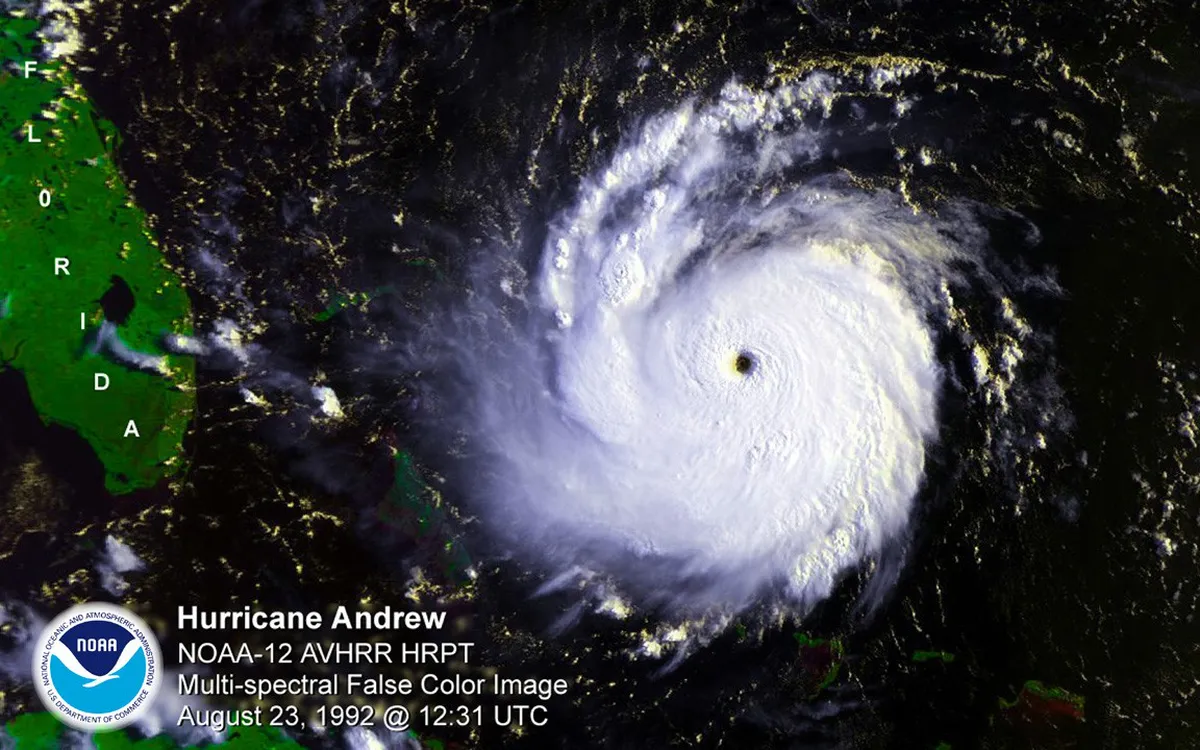
On August 24, 1992, Hurricane Andrew made landfall near Homestead, Florida, unleashing catastrophic destruction as a Category 5 storm. With winds gusting up to 177 miles per hour, it was one of only four hurricanes in recorded history to strike the continental United States at this intensity. Over the next few hours, Andrew would flatten neighborhoods, displace approximately 250,000 residents, and ultimately cause an estimated $26.5 billion in economic damage, marking it as one of the costliest natural disasters in American history.
This pivotal event not only devastated South Florida but also revolutionized the insurance industry. As we mark the anniversary of Hurricane Andrew, it is crucial to reflect on its legacy and consider the implications of a similar storm striking today. The cost of such an event has escalated dramatically due to population growth, increased property values, and the concentration of assets in vulnerable areas.
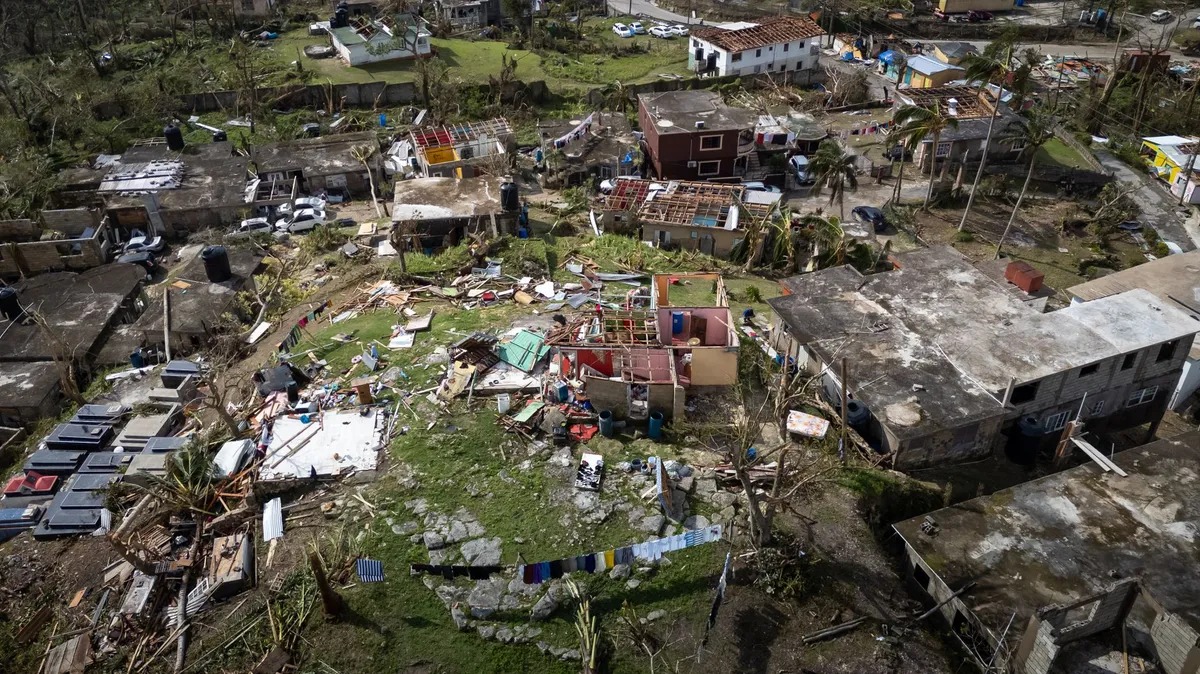
The Immediate Impact of Hurricane Andrew
Hurricane Andrew formed from a tropical wave on August 16, 1992, and initially appeared unremarkable. However, as it passed over the warm waters of the Gulf Stream, it rapidly intensified. By the time it struck Florida, it was a compact but powerful storm, causing extensive wind damage rather than flooding, which was a hallmark of later hurricanes like Katrina.
Casualties and Economic Losses
The storm claimed 65 lives, including 23 in the United States and three in the Bahamas. The economic toll was staggering, with approximately $15.5 billion in insured losses reported in 1992 dollars. The direct impact on the insurance industry was severe; numerous insurers failed due to their inability to absorb the catastrophic losses.
The Insurance Industry's Reckoning
The fallout from Hurricane Andrew was profound. The event exposed the vulnerabilities in the insurance market and prompted a significant reassessment of risk management strategies. As insurers faced unprecedented losses, at least 11 companies became insolvent, with some estimates suggesting up to 16 failures during 1992 and 1993. This crisis forced the industry to rethink how it assessed and priced catastrophic risk.
Transitioning to Catastrophe Modeling
Before Andrew, many insurers relied on historical data and actuarial methods for underwriting. However, the storm's aftermath highlighted the inadequacy of these methods, leading to a shift towards more sophisticated catastrophe models. Karen Clark, an early advocate for probabilistic modeling, predicted insured losses in excess of $13 billion shortly after the storm made landfall. This kind of predictive modeling quickly became essential for insurers, altering the landscape of risk assessment.

Rebuilding and Regulatory Changes
The devastation of Hurricane Andrew spurred significant reforms in the insurance sector. The Florida Hurricane Catastrophe Fund was established, along with the creation of Citizens Property Insurance Corporation to provide coverage for homeowners unable to secure insurance through the private market. Additionally, the event prompted a comprehensive overhaul of building codes in Florida, leading to the implementation of the Florida Building Code, which aimed to improve the resilience of structures against future hurricanes.
A New Era of Reinsurance
The hurricane also catalyzed the growth of the Bermuda reinsurance market as capital flooded in to fill the gap created by substantial losses. The changes initiated by Andrew established a new paradigm for how the industry approached underwriting, exposure management, and risk transfer.
Assessing Today's Vulnerability
If Hurricane Andrew were to strike today, the financial implications would be staggering. Florida’s population has surged from 13.6 million in 1992 to approximately 23.5 million in 2025, with the most substantial growth in areas directly impacted by the storm. The concentration of property values in Miami-Dade, Broward, and Palm Beach counties now exceeds $1.2 trillion.
Projected Losses from a Modern Andrew
Current models estimate that a storm of Andrew's intensity would result in insured losses ranging from $70 to $100 billion. If Andrew had made direct landfall in Miami, estimates suggest losses could exceed $200 billion. This stark increase in potential losses reflects both the growth in property values and the density of structures in vulnerable areas.
Lessons for the Insurance Industry
The anniversary of Hurricane Andrew serves as a critical reminder of the lessons learned from this catastrophic event. Four key takeaways can guide underwriting practices today:
- Data Quality is Essential: Accurate exposure data is foundational to effective risk assessment. Insurers must ensure that their data is up-to-date and comprehensive to avoid inaccurate loss estimates.
- Understanding Accumulation Risk: Concentrated risks can lead to significant losses. Insurers should analyze their portfolios to understand the potential for unmodeled peak losses across geographic and structural concentrations.
- Averaging Can Mislead: Insurers must avoid pricing based solely on average expected losses while ignoring tail risks, which could lead to insolvency in extreme events.
- Integrate Models into Decision-Making: Catastrophe models should inform underwriting decisions, not just serve as retrospective analyses. Insurers should embed these models into their workflows to guide capital allocation and risk management strategies.
Key Takeaways
- Hurricane Andrew fundamentally transformed the insurance industry’s approach to catastrophe risk.
- Modern projections suggest that a similar storm today could result in insured losses exceeding $100 billion.
- Data quality, accumulation risk, and proactive modeling are critical for effective underwriting.
Frequently Asked Questions
What was Hurricane Andrew's impact on the insurance industry?
Hurricane Andrew exposed vulnerabilities in the insurance market, leading to multiple insurer failures and prompting a shift toward sophisticated catastrophe modeling. The disaster redefined how insurers assess risk and manage exposure, resulting in significant regulatory changes and the establishment of funds to support homeowners.
How have property values changed since Hurricane Andrew?
Since 1992, Florida's population has grown significantly, with property values in vulnerable areas rising to over $1.2 trillion. This increase in asset concentration heightens the potential financial impact of future storms, particularly in densely populated regions like Miami-Dade County.
What lessons can insurers learn from Hurricane Andrew?
Insurers must focus on improving data quality, understanding accumulation risk, avoiding reliance on average loss estimates, and integrating catastrophe models into their underwriting processes. These lessons are crucial for ensuring the industry's resilience in the face of future catastrophic events.
Comments
Canada Imposes $20 Billion in Retaliatory Tariffs Against U.S.
In a fierce response to U.S. tariffs, Canada has announced $20 billion in counter-tariffs targeting a wide range of American goods. This move signifies escalating trade tensions and its implications for both economies.

Related articles



Popular in Business Insurance
- Surging War-Risk Insurance Rates in the Strait of Hormuz: What It Means for Shipping
- Ross & Yerger Insurance Faces Class Action Over Data Breach Allegations
- Sompo Expands U.S. Workers' Compensation Portfolio with Service Insurance Acquisition
- Legal Battle Unfolds Over $1 Million Truck Crash Insurance Payout
- Howden Group's Ambitious Journey Toward IPO and Expansion