Steadfast's Transition to Private Ownership: Financial Insights and Impacts
Steadfast Group reports solid financial growth while preparing for a major transition to private ownership. As a consortium of American firms moves to acquire the company, what does this mean for stakeholders?

Steadfast Group, a leading player in the insurance brokerage sector, has recently announced its financial results for the fiscal year ending June 30, 2026. The company reported an underlying net profit after tax of A$319.5 million, reflecting a robust 8.2% increase compared to the previous year. This announcement coincides with significant news regarding its impending acquisition by a consortium of three American firms, which raises questions about the future of the company as it transitions to private ownership. This article delves into Steadfast's financial performance, the acquisition details, and the implications for its stakeholders.
Financial Performance: A Closer Look
In the recently released fiscal report, Steadfast showcased impressive underlying revenue of A$2,104.7 million, marking a 15.3% increase year-on-year. The underlying earnings before interest, tax, and amortization (EBITA) rose to A$669.8 million, up 13.8%. This growth highlights the company's resilience and effective management, particularly in a challenging economic landscape.
Key Financial Metrics
- Underlying Net Profit After Tax: A$319.5 million (up 8.2%)
- Underlying Revenue: A$2,104.7 million (up 15.3%)
- EBITA: A$669.8 million (up 13.8%)
- Underlying Diluted Earnings per Share: 28.8 cents (up 7.7%)
- Final Dividend: 12.75 cents per share (up 9.0%)

Steadfast’s financial success is attributed to both organic growth and strategic acquisitions. Notably, its American division, housing ISU Steadfast, was the most rapid growth contributor, highlighting the potential of international markets. The division reported a staggering 95.4% growth in revenue, driven primarily by profit-sharing and network membership fees.
Acquisition by American Consortium: Details and Implications
As Steadfast prepares to transition into private ownership, the acquisition led by Amwins Australasia Group, Starboard BidCo, and backed by Dragoneer Investment Group and Kohlberg Kravis Roberts & Co, has drawn attention. The consortium's offer of A$6.00 per share represents a significant 51.9% premium over the stock's closing price of A$3.95 prior to the announcement. The board's unanimous recommendation of the scheme indicates confidence in the deal, pending necessary approvals.
What Does the Acquisition Mean for Steadfast?
The transition to private ownership could alter the operational landscape of Steadfast in various ways. The consortium's backing may provide the financial resources necessary for expansion and innovation, especially in the competitive insurance market. However, questions remain regarding the continuity of programs like the Trapped Capital initiative and the Novum wholesale access for U.S. agents, which are pivotal for growth in the American sector.

Challenges and Future Outlook
The fiscal report also paints a picture of the challenges ahead. While Steadfast has seen considerable growth, the company has acknowledged a slowdown in its core Australasian broking sector, with underlying EBITA growth of only 2.7% coming from organic sources. The reliance on acquisitions to drive growth may pose risks, especially as the market begins to stabilize after a hard insurance cycle.
Market Conditions and Predictions
Looking forward, Steadfast anticipates a modest rise in Australian insurance premium pricing of just 2% to 3%. The projected underlying EBITA for the coming year is estimated between A$700 million and A$715 million, alongside an expected diluted earnings per share growth of 4% to 8%. These forecasts suggest that while growth may continue, it will require careful navigation of market conditions and strategic planning.

Leadership Transition: What's Next?
Another layer of uncertainty surrounds the leadership of Steadfast. CEO Robert Kelly, who co-founded the company and has been instrumental in its growth since its ASX listing in 2013, has announced his intention to retire. The search for a successor has been paused due to the acquisition, raising concerns about leadership continuity during this pivotal transition.
Impact on Employees and Stakeholders
For employees and stakeholders, the transition could bring both challenges and opportunities. While some may fear potential changes in company culture or operational shifts, the financial backing from the American consortium could lead to enhanced resources for growth and innovation. Employees may also benefit from the new leadership direction as the company adapts to its new ownership structure.
Key Takeaways
- Steadfast Group reported strong financial growth, with a net profit increase of 8.2%.
- The company is set to be acquired by a U.S. consortium at a significant premium, pending approvals.
- Future market conditions are uncertain, with modest growth predictions for the insurance sector.
- Leadership changes could impact the company's direction during and after the acquisition.
Frequently Asked Questions
What will happen to Steadfast's operations after the acquisition?
The acquisition by the American consortium is expected to bring financial resources and strategic direction that may enhance Steadfast's operations. However, specific changes to operations and programs like Trapped Capital and Novum access for U.S. agents remain unclear until the transaction is finalized and the new leadership is established.
How will the acquisition impact shareholders?
For shareholders, the acquisition offers a significant premium on their shares, representing a lucrative exit opportunity. However, the long-term implications depend on the new ownership's strategic decisions and how they choose to develop the company post-acquisition.
What are the main growth drivers for Steadfast going forward?
Steadfast's growth will likely hinge on its ability to navigate the competitive landscape of the insurance market, particularly through strategic acquisitions and organic growth initiatives. The performance of its American operations, especially ISU Steadfast, will be crucial in driving future growth while adapting to changing market conditions.
What challenges does Steadfast face in the coming years?
Steadfast faces several challenges, including the potential slowdown in organic growth within its core Australasian market and the need to adapt to new leadership dynamics post-acquisition. Additionally, the company must respond effectively to evolving market conditions and pricing pressures to sustain its growth trajectory.
Comments
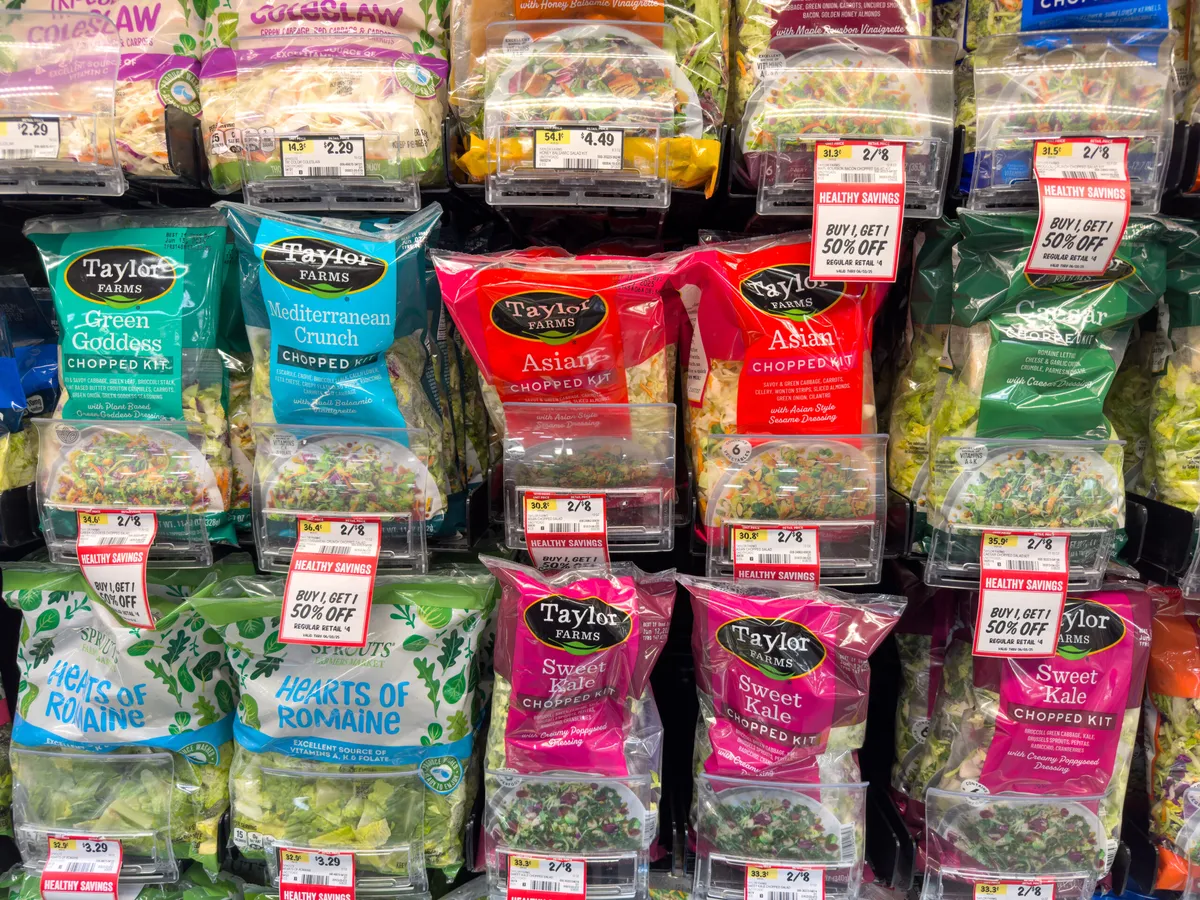
Taylor Farms Under Scrutiny for Workplace Safety Violations
Taylor Farms, a major produce supplier, has faced significant scrutiny for failing to submit mandatory workplace injury reports, raising concerns about worker safety and regulatory compliance.
Related articles







Popular in Business Insurance
- Surging War-Risk Insurance Rates in the Strait of Hormuz: What It Means for Shipping
- Ross & Yerger Insurance Faces Class Action Over Data Breach Allegations
- Sompo Expands U.S. Workers' Compensation Portfolio with Service Insurance Acquisition
- Legal Battle Unfolds Over $1 Million Truck Crash Insurance Payout
- Howden Group's Ambitious Journey Toward IPO and Expansion