Taylor Farms Under Scrutiny for Workplace Safety Violations
Taylor Farms, a major produce supplier, has faced significant scrutiny for failing to submit mandatory workplace injury reports, raising concerns about worker safety and regulatory compliance.
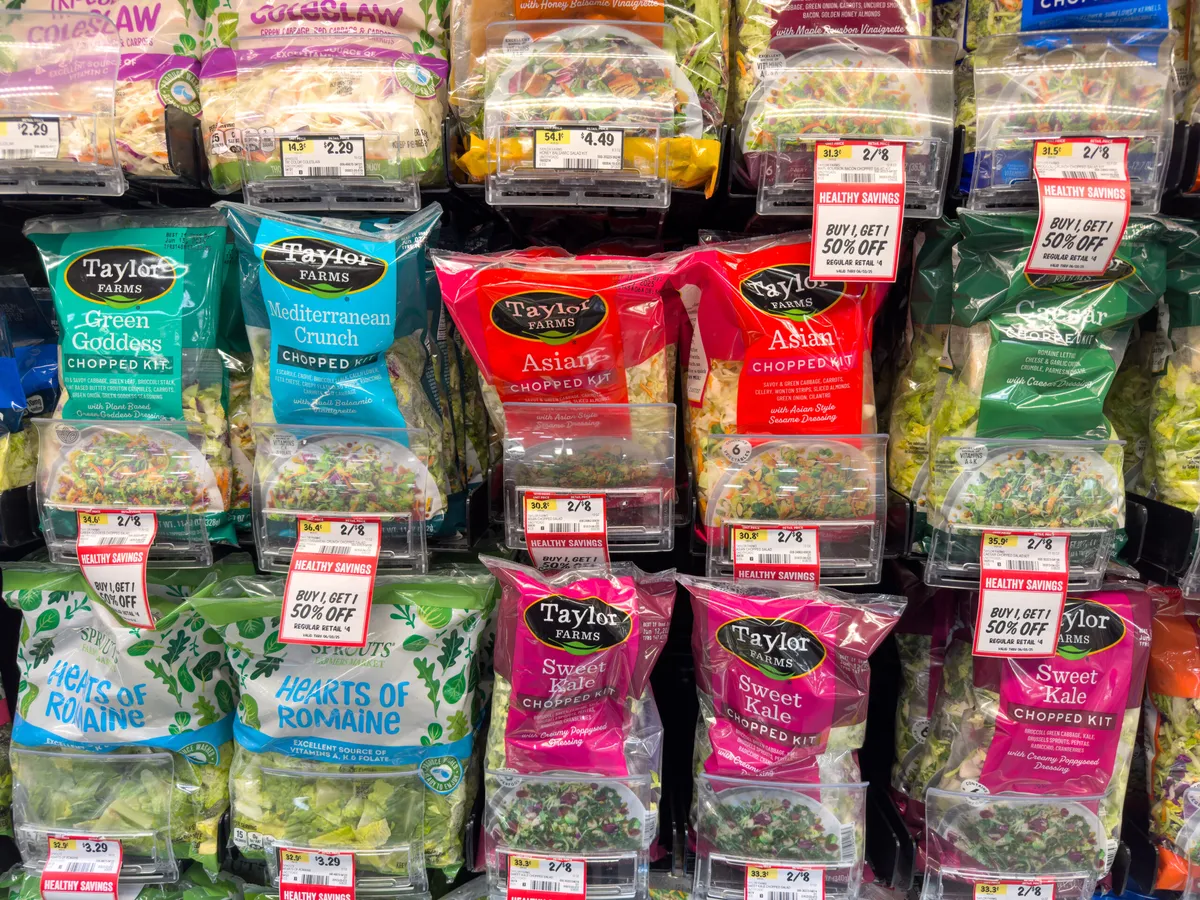
The produce industry is one of the most rigorous sectors in terms of safety and health regulations, yet some companies, like Taylor Farms, are coming under fire for their compliance records. As North America’s largest salad producer, Taylor Farms has not only been linked to a recent cyclospora outbreak that has resulted in multiple fatalities and illnesses but has also drawn attention for its failure to submit federally mandated annual workplace injury reports.
A recent analysis of federal records has revealed that Taylor Farms has repeatedly failed to submit these crucial logs from several of its facilities, raising alarms among workplace safety advocates and regulatory agencies. This situation highlights systemic issues within the company and possibly the food manufacturing sector as a whole, where the risks associated with heavy machinery and hazardous materials can lead to serious workplace injuries.
Understanding the Importance of Workplace Injury Reports
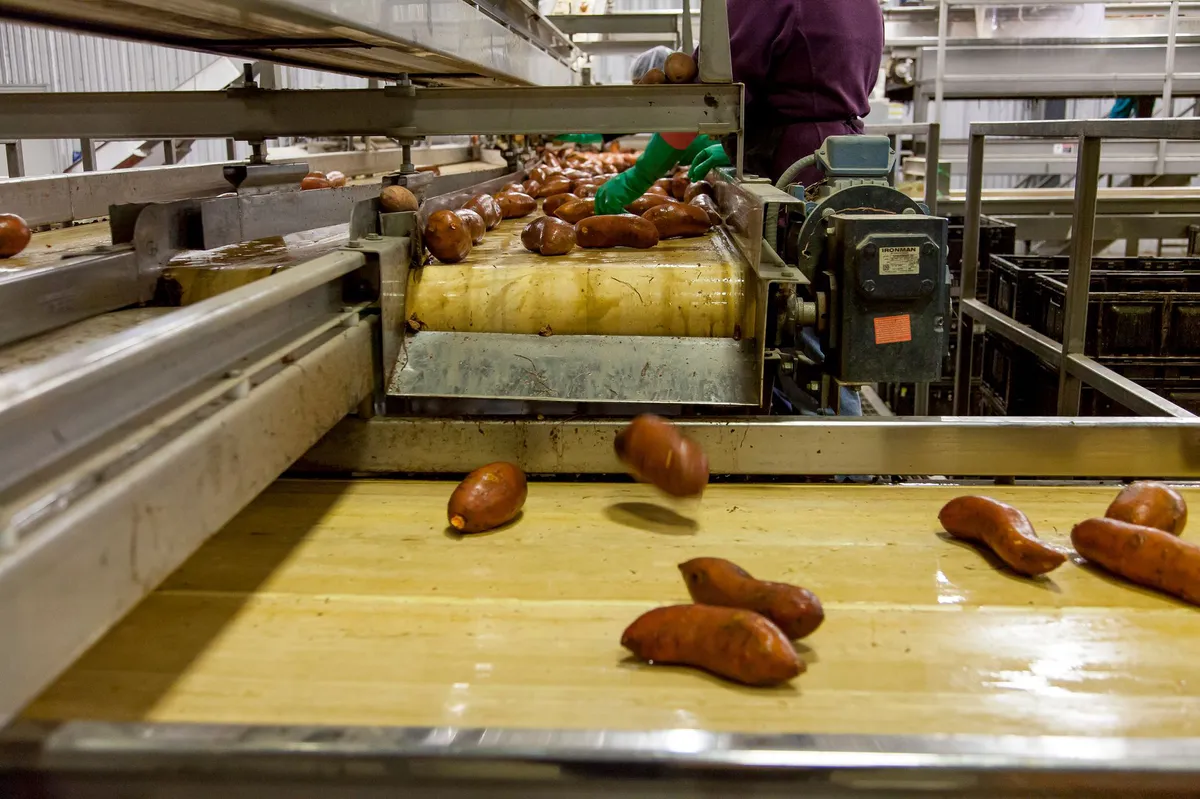
Workplace injury logs are not merely bureaucratic formalities; they are vital tools for identifying hazards, implementing safety measures, and ensuring regulatory compliance. The U.S. Occupational Safety and Health Administration (OSHA) mandates that nearly all worksites in higher-hazard industries submit annual injury and illness reports by March 2 of each year. For Taylor Farms, which operates numerous facilities across the country, these logs are essential for maintaining transparency about workplace conditions and employee safety.
Current Reporting Practices at Taylor Farms
According to a review of OSHA records, Taylor Farms has submitted injury reports inconsistently over the past five years. Out of the 17 facilities that were required to file reports, only five to seven have complied within the stipulated timeframe. The industry average for reporting compliance stands at approximately 78%, yet Taylor Farms has managed to fall significantly below this benchmark.
This lack of consistent reporting not only obscures the company’s safety record but also raises questions about its commitment to workplace safety. Critics argue that these gaps in reporting can hinder effective oversight and regulatory enforcement, making it more challenging to protect workers from unsafe conditions.

Consequences of Non-Compliance
The ramifications of failing to file required injury reports can be severe for companies like Taylor Farms, which has faced nearly $1.8 million in citations from OSHA and state regulators since 2021. These penalties are primarily linked to machine hazards, employee training deficiencies, and violations of safety protocols. For instance, a significant fine of over $1 million was levied after a worker died from injuries sustained at a processing plant in Swedesboro, New Jersey, while cleaning equipment. This incident underscores the potentially deadly consequences of inadequate safety practices.
Industry Context: Higher Risks in Food Manufacturing
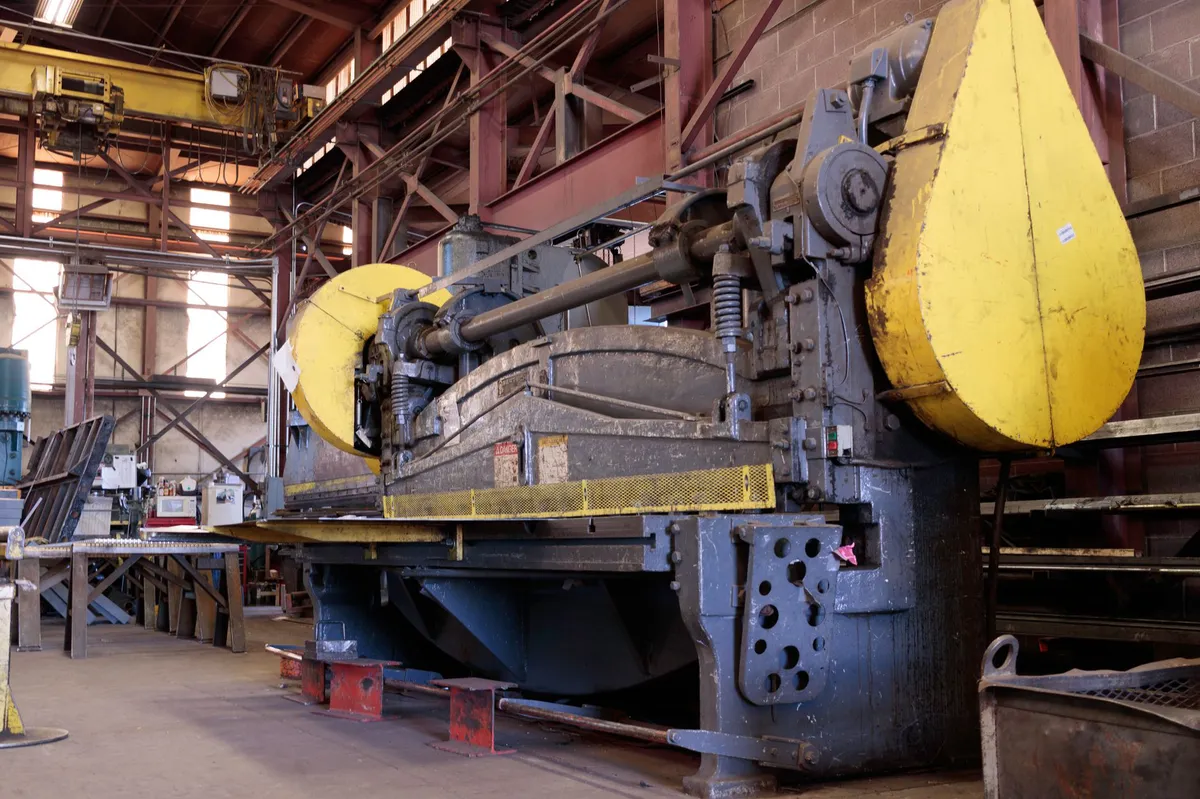
Food manufacturing, particularly in perishable goods, has a higher injury rate compared to the broader private industry. The U.S. Bureau of Labor Statistics indicates that workers in this sector face increased risks due to the nature of their work, which often involves heavy machinery, chemicals, and other hazardous materials. As such, compliance with safety regulations is critical not just for legal adherence but also for the protection of workers’ lives.
- **Higher Injury Rate:** Food manufacturing has a higher injury rate compared to other sectors.
- **Mandatory Reporting:** OSHA requires annual reporting for most higher-risk industries.
- **Financial Penalties:** Companies can face significant fines for non-compliance.
- **Impact on Workers:** Reporting gaps can endanger worker safety and health.
Regulatory Oversight and the Role of OSHA
OSHA’s role is critical in ensuring that companies like Taylor Farms adhere to safety regulations. The agency has stated that electronic submission of injury reports allows it to focus its enforcement efforts more effectively. However, the agency’s response to Taylor Farms’ repeated failures to file injury logs raises questions about the effectiveness of enforcement mechanisms in place.
Critics, including workplace safety advocates, argue that OSHA must take a more proactive approach to enforcement, especially given the high stakes involved. Jessica Martinez, executive director of the National Council for Occupational Safety and Health, emphasizes that these records are essential for identifying and preventing workplace hazards. Without accurate reporting, it becomes increasingly difficult to implement corrective measures and hold companies accountable.
Public Health Concerns Linked to Workplace Safety
The implications of workplace safety extend beyond the confines of the factory floor. Taylor Farms has recently been linked to a cyclospora outbreak traced back to its lettuce sourced from Mexico, which has sickened thousands and resulted in at least two deaths. Such public health crises underscore the importance of adhering to safety protocols within the food supply chain and maintaining comprehensive reporting practices.
When companies fail to prioritize safety and transparency, the risks are not just limited to their employees but can also affect consumers who rely on their products. The connection between workplace safety and public health exemplifies why robust reporting and compliance are essential in the food industry.
Key Takeaways
- **Inconsistent Reporting:** Taylor Farms has failed to meet OSHA’s reporting requirements across multiple facilities.
- **High Penalties:** The company faces significant financial penalties for safety violations.
- **Public Health Risks:** Poor workplace safety practices can lead to consumer health crises.
- **Need for Enforcement:** Advocates call for stronger regulatory oversight of companies that fail to comply with safety regulations.
Frequently Asked Questions
What are the consequences for Taylor Farms due to reporting failures?
Taylor Farms has faced nearly $1.8 million in citations from OSHA and state regulators for various safety violations, including failing to submit required injury reports. Companies that do not comply with OSHA regulations can incur hefty fines, which for reporting violations can reach up to $16,550 per incident.
How does workplace safety affect public health?
Workplace safety and public health are intrinsically linked, especially in industries like food manufacturing. Poor safety practices can lead to unsafe products reaching consumers, which can result in public health crises, as evidenced by the recent cyclospora outbreak linked to Taylor Farms' lettuce. Ensuring a safe working environment helps minimize risks for both employees and consumers.
What steps can Taylor Farms take to improve compliance?
Taylor Farms can improve compliance by investing in better reporting systems, providing comprehensive training for employees, and actively engaging with OSHA to ensure they meet all regulatory requirements. Transparency in reporting and a commitment to safety are also essential for rebuilding trust with both employees and consumers.
What should employees do if they encounter unsafe conditions?
Employees who encounter unsafe conditions should report their concerns to their supervisors or human resources departments. If the issues are not adequately addressed, they can contact OSHA to file a complaint. Whistleblower protections are in place to safeguard workers who report unsafe practices, ensuring they can do so without fear of retaliation.
Comments
Meta Faces Legal Reckoning Over Teen Addiction Claims: Settlement Talks Underway
Meta Platforms Inc. is embroiled in a major legal battle over allegations that its platforms are designed to addict teens. With a potential settlement on the table, the implications for social media regulation could be profound.

Related articles







Popular in Business Insurance
- Surging War-Risk Insurance Rates in the Strait of Hormuz: What It Means for Shipping
- Ross & Yerger Insurance Faces Class Action Over Data Breach Allegations
- Sompo Expands U.S. Workers' Compensation Portfolio with Service Insurance Acquisition
- Legal Battle Unfolds Over $1 Million Truck Crash Insurance Payout
- Howden Group's Ambitious Journey Toward IPO and Expansion