Navigating the Risks: Insurance Implications in the Strait of Hormuz
Despite claims of a safe environment in the Strait of Hormuz, insurance premiums continue to reflect ongoing risks. This article explores how geopolitical tensions are reshaping marine insurance in one of the world's most critical shipping lanes.
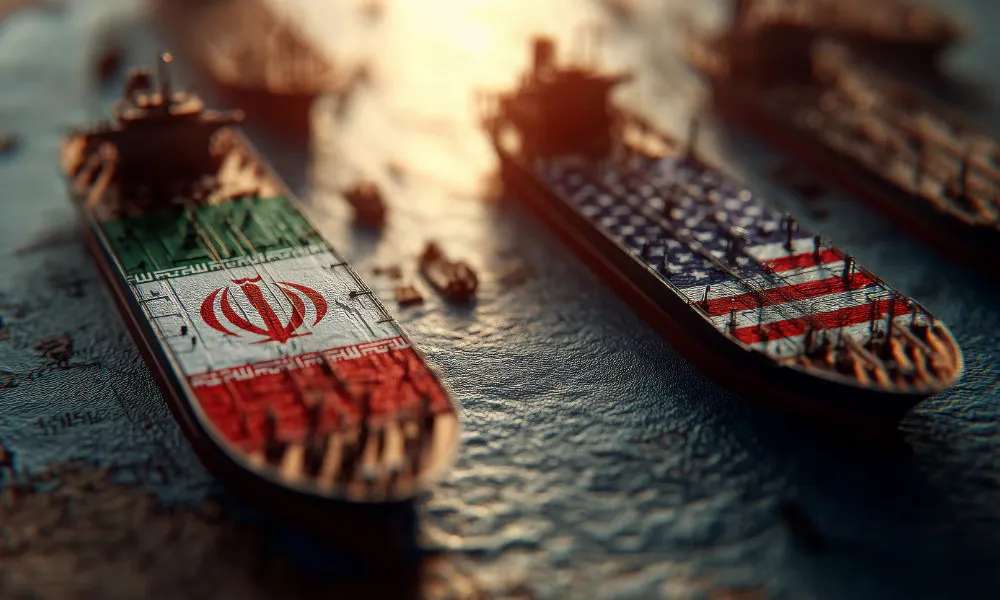
The Strait of Hormuz, a narrow passage critical for global oil and liquefied natural gas (LNG) transport, continues to be a focal point of geopolitical tension and economic uncertainty. President Trump recently asserted that the U.S. Navy has successfully cleared mines from the strait, suggesting a return to normalcy for maritime operations. However, the insurance market paints a starkly different picture. In the realm of marine insurance, risks and premiums are dictated not just by political proclamations but by the realities on the ground—or in this case, under the waves.
Following a series of strikes involving U.S. and Israeli forces against Iranian targets, the region has witnessed a significant spike in war risk premiums for vessels traversing the strait. The insurance implications are profound, affecting everything from shipping costs to operational decisions for maritime companies. As tensions persist, understanding these risks becomes increasingly crucial for stakeholders in the shipping and insurance industries.
Current Geopolitical Climate and Its Impact on Shipping
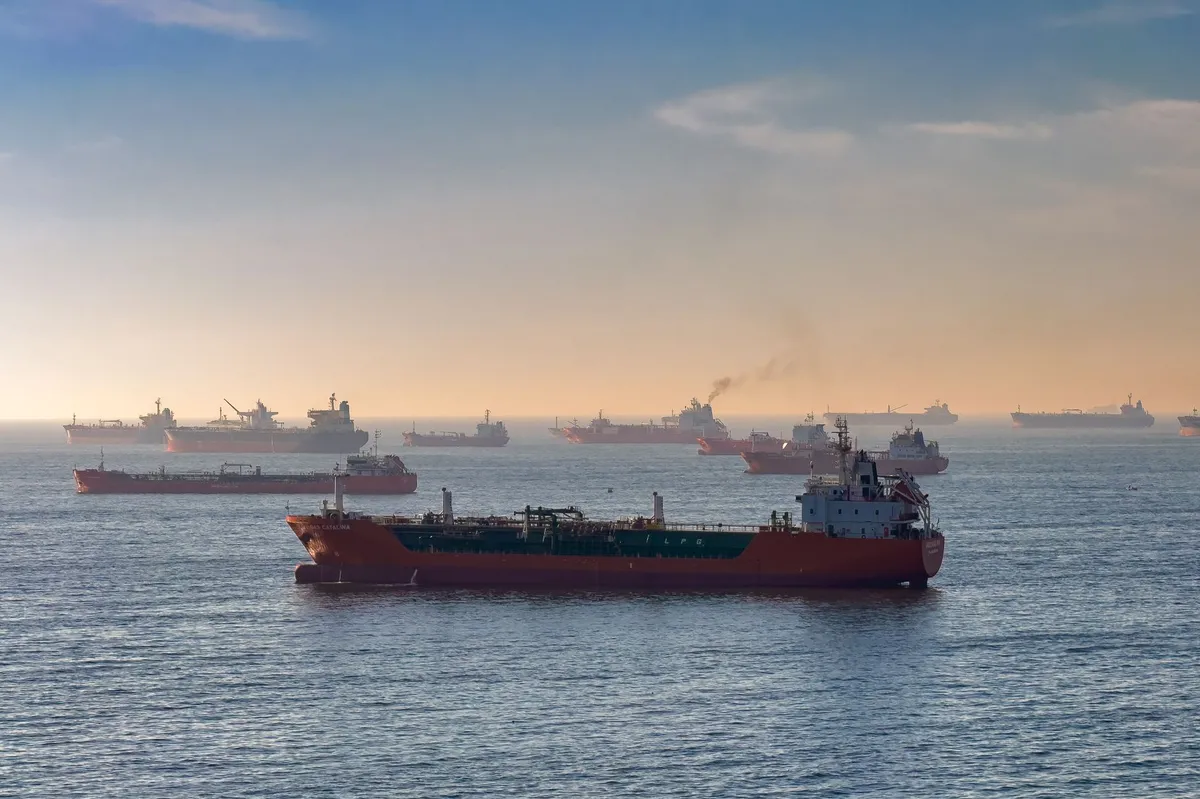
The Strait of Hormuz is a critical artery for international trade, with approximately 20% of the world’s oil and LNG transiting its waters daily. The onset of conflict in late February has created a precarious environment for commercial shipping. Just a day before Trump’s announcement, a tanker was struck near the strait, underscoring the ongoing dangers. The UK Maritime Trade Operations agency reported that the incident left the vessel disabled but its crew unharmed, highlighting the unpredictable nature of operations in the area.
In light of these developments, Omani Foreign Minister Badr Albusaidi’s declaration of a joint mine-clearing project with Iran suggests that the situation remains fluid. While diplomatic efforts are underway, the presence of mines and the threat of further hostilities complicate the insurance landscape. The Lloyd’s Market Association’s Joint War Committee has expanded its designation of high-risk areas to cover the entire Persian Gulf, reflecting the heightened dangers faced by vessels operating in this region.
Understanding War Risk Premiums
War risk premiums are additional insurance costs that reflect the heightened danger of operating in conflict zones. Before the conflict escalated, these premiums were approximately 0.25% of a vessel's hull value. However, as hostilities intensified, premiums surged dramatically—ranging from 3% to 10%—with some reports indicating that a $150 million tanker could face insurance costs as high as $15 million for a single transit compared to around $375,000 prior to the crisis.
Such increases in insurance costs have led many shipping companies to reconsider their routes, opting to avoid the strait altogether. The impact of these premiums is not limited to immediate costs; they can also affect long-term operational strategies and profit margins for shipping companies.
Legal and Regulatory Challenges
The new framework for navigation established by Iran and Oman introduces further complexities for insurers and shipowners. Iranian Minister Kazem Gharibabad has indicated that military vessels will be unwelcome in the proposed corridor, raising questions about the implications for international shipping practices. The corridor is set to run inbound through Iranian waters and outbound through Omani waters, adding layers of regulatory scrutiny.
Moreover, the U.S. Treasury’s Office of Foreign Assets Control (OFAC) has designated the Persian Gulf Strait Authority (PGSA), linking it to the Islamic Revolutionary Guard Corps. This means any parties engaging in transit fee payments to the PGSA could face exposure to sanctions, including secondary sanctions which could impact non-U.S. entities as well. This regulatory landscape necessitates that brokers and shipping companies confirm the terms of their coverage and ensure compliance to avoid potential penalties.

Market Dynamics and Future Considerations
The ongoing conflict and its ramifications have led to significant market-wide claims, estimated between $2 billion and $3 billion across the war, terror, and political violence segment. This is unprecedented, as it exceeds the estimated annual global premium volume for this segment, which ranges from $1.5 billion to $2 billion. The implications for the marine insurance market are profound, as underwriters grapple with the need to balance risk and capacity.
Neil Roberts, head of marine and aviation at the Lloyd’s Market Association, has noted that while there remains sufficient capacity in the market, the price for coverage has surged due to perceived risks. The market is now faced with a structural repricing of marine war risk, influenced by both the current crisis and past experiences, such as the conflicts in the Red Sea.
Key Takeaways
- War risk premiums for vessels in the Strait of Hormuz have surged from 0.25% to between 3% and 10%.
- Geopolitical tensions continue to influence operational and insurance decisions for shipping companies.
- New regulations and potential sanctions complicate the insurance landscape for vessels operating in the region.
- Market-wide claims related to war and political violence have reached unprecedented levels, testing the marine insurance sector.
- Ongoing diplomatic negotiations may impact the future of insurance coverage and maritime operations in the strait.
Frequently Asked Questions
What are war risk premiums and why are they significant?
War risk premiums are additional charges that marine insurers levy on shipping companies when they operate in high-risk areas, such as conflict zones. These premiums are significant because they reflect the heightened risk of loss or damage to vessels and cargo due to potential hostilities. In the case of the Strait of Hormuz, the premiums have surged dramatically since the escalation of conflict, impacting the overall cost of maritime operations.
How do geopolitical tensions affect shipping routes?
Geopolitical tensions can lead to increased risks for commercial vessels, including the potential for attacks, piracy, or other forms of disruption. As a result, shipping companies may choose to reroute their vessels to avoid conflict zones, which can lead to longer transit times and increased operational costs. Insurers also adjust premiums to reflect the heightened risks associated with specific routes, further complicating decision-making for shipping companies.
What should shipping companies do to manage their insurance risks?
Shipping companies should conduct thorough risk assessments before planning transits through high-risk areas. This involves consulting with their insurers to understand coverage terms, including the implications of any changes in routing or regulations. Companies should also stay informed about geopolitical developments and assess the potential impact on their operations to make informed decisions about whether to navigate through conflict-prone regions.
What is the role of the Lloyd's Market Association in marine insurance?
The Lloyd's Market Association (LMA) plays a critical role in the marine insurance market by providing guidance and setting standards for insurers. The LMA's Joint War Committee, for example, assesses risks in various regions and designates high-risk areas for insurance purposes. Their assessments influence underwriting practices and help ensure that marine insurers have the necessary information to price coverage appropriately based on current geopolitical conditions.
Comments
Top Emerging Risks for Businesses: Navigating the AI Landscape
As artificial intelligence evolves, businesses face unprecedented risks, particularly in cybersecurity. This article explores the emerging threats and offers strategies for organizations to mitigate their impact.

Related articles




Popular in Business Insurance
- Surging War-Risk Insurance Rates in the Strait of Hormuz: What It Means for Shipping
- Ross & Yerger Insurance Faces Class Action Over Data Breach Allegations
- Sompo Expands U.S. Workers' Compensation Portfolio with Service Insurance Acquisition
- Legal Battle Unfolds Over $1 Million Truck Crash Insurance Payout
- Howden Group's Ambitious Journey Toward IPO and Expansion