The Rise of Robots: What Insurers Need to Know About Automation Risks
Recent advancements in robotics have led to humanoid robots breaking world records, but the real implications for insurers lie beyond the spectacle. From liability shifts to emerging coverage needs, the insurance industry must adapt to a future dominated by autonomous systems.
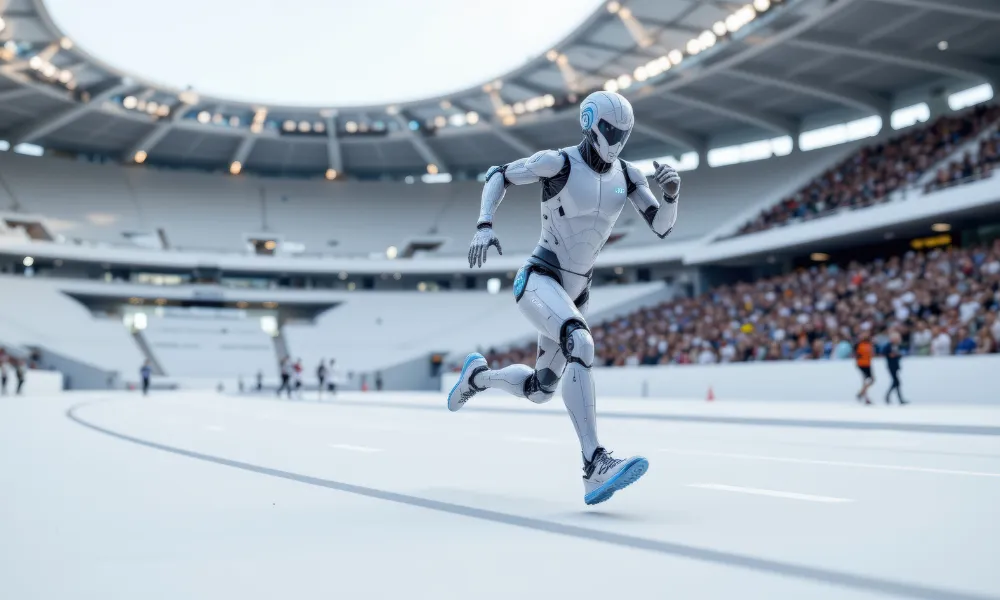
In a remarkable display of technological advancement, a humanoid robot recently sprinted 100 meters in just 9.39 seconds, shattering Usain Bolt's long-standing world record of 9.58 seconds. This feat occurred at the World Humanoid Robot Games in Beijing, where over 2,000 robots competed across various events. However, while these sprinting robots may steal the show, the true implications for the insurance industry lie in the more complex tasks performed by robots in real-world applications, such as warehouse operations and autonomous systems.
The emergence of robots capable of performing intricate tasks without human intervention presents a host of challenges and opportunities for insurers. As Chris Raimondo, insurance consulting leader for the Americas at EY, points out, the focus is shifting from evaluating risks associated with human operators to understanding and pricing risks related to autonomous systems. This article explores the implications of this shift, the current state of the robotics market, and what insurers need to prepare for in the coming years.
The Evolution of Robotics and Insurance
The robotics landscape is evolving rapidly. The recent competition showcased not just robots racing but also their ability to perform complex tasks, such as charging electric vehicles, sorting packages, and taking restaurant orders. Approximately 40% of the events at the games required robots to execute work-style tasks independently, indicating a significant shift in how robotics is perceived in the business world.
This evolution is critical for insurers, as the liabilities associated with robotic operations differ significantly from those linked to human workers. The traditional model of pricing insurance based on human operators is increasingly becoming outdated. Instead, insurers must adapt to a model that includes hardware manufacturers, AI software platforms, and commercial operators as potential liabilities in the event of accidents or malfunctions.
The Impact of Automation on the Labor Market
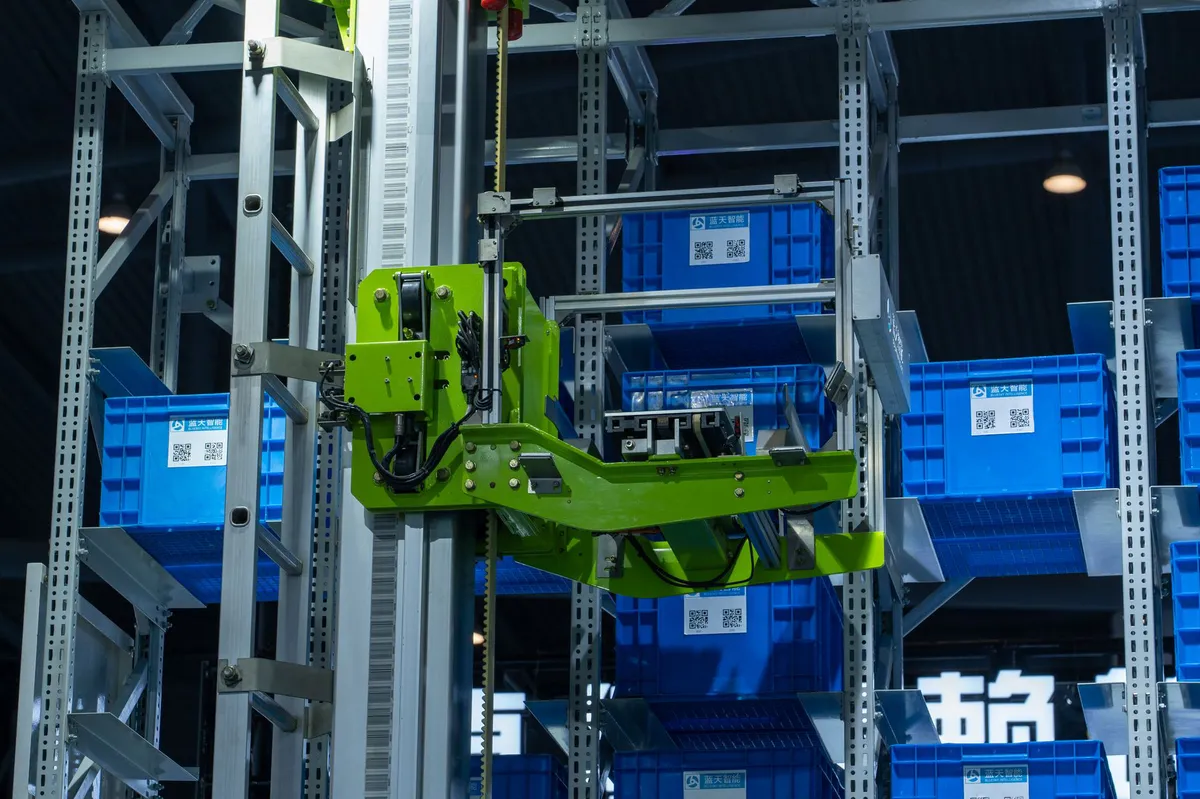
As robots become more prevalent in the workplace, the labor market is expected to undergo significant changes. The World Economic Forum's Future of Jobs Report 2025 predicts that automation will displace approximately 5 million more jobs than it creates by 2030. While this figure may seem daunting, it’s essential to note that most job displacement currently stems from conventional industrial robotics rather than humanoids.
For instance, Amazon's internal documents suggest that automation could help the company avoid hiring more than 600,000 workers by 2033. While this development might not directly relate to humanoid robots, it highlights the broader trend of increasing reliance on automation in fulfilling tasks traditionally performed by humans.
Key Takeaways on Job Displacement
- Automation, including robotics, is set to displace millions of jobs by 2030.
- Most displacement is driven by traditional industrial robots, not humanoid robots.
- The impact of automation will vary across industries, with some sectors experiencing more significant changes than others.
Challenges for Insurers: Liability and Coverage
The introduction of autonomous robots into the workforce presents new liability challenges for insurers. When accidents occur, liability can extend across multiple parties, including manufacturers, software providers, and operators. Unlike traditional claims based on eyewitness accounts, future claims may rely on sensor data and software diagnostics, drastically changing how insurers assess and process claims.
As robots take over more repetitive and physically demanding tasks, traditional injury claims may decline. However, new risks will emerge, including system failures, cyber vulnerabilities, and business interruptions. Insurers must be prepared to address these changing dynamics in their coverage offerings.
Regulatory Considerations for Robotics
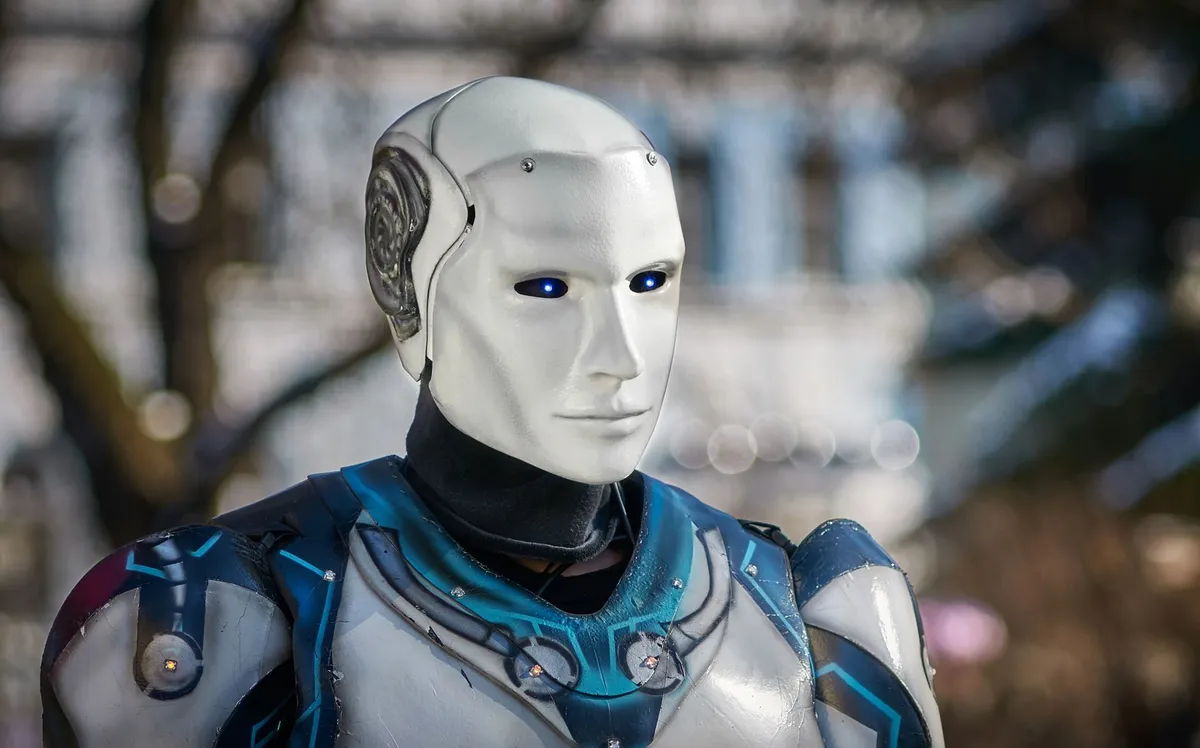
Another layer of complexity arises from the regulatory landscape surrounding robotics. In late July, the Federal Communications Commission (FCC) added advanced robotic devices, including humanoids, to its “Covered List.” This regulation requires conditional approval for new models to be imported into the U.S., primarily affecting Chinese manufacturers who produce a significant portion of the world's humanoid robots.
This regulatory shift necessitates that insurers and brokers pay closer attention to supply chain risks when advising clients. Questions about the origin of robotic devices, their eligibility for FCC authorization, and potential impacts on contracts must be considered in liability assessments. Additionally, insurers should review existing policies to ensure that coverage accounts for evolving risks associated with robotics.
Preparing for the Future of Robotics in Insurance
As the robotics market continues to grow, with projections estimating the global humanoid market could reach $50 billion by 2035, insurers must remain vigilant. The current landscape is characterized by uncertainty, with estimates varying widely. Insurers should consider several strategies to prepare for the future:
- **Regularly review and update policies:** As new risks associated with autonomous systems emerge, insurers need to adjust their coverage offerings accordingly.
- **Educate clients on robotics risks:** Insurers should inform clients about the potential liabilities and coverage needs connected to robotic technology.
- **Monitor regulatory changes:** Keeping abreast of regulatory developments will help insurers navigate compliance challenges and potential impacts on coverage.
Ultimately, the spectacle of sprinting robots may capture headlines, but the real story lies in the myriad ways automation is reshaping industries and the insurance landscape. Insurers who adapt to these changes proactively will be better positioned to navigate the complexities of a future increasingly dominated by robotics.
Key Takeaways
- The insurance industry must shift its focus from human operators to autonomous systems.
- Robotics is expected to displace millions of jobs, primarily driven by traditional automation.
- Liability models will evolve to encompass multiple parties, including manufacturers and software providers.
- Regulatory changes will impact the import and use of robotic devices in the U.S.
- Insurers should prepare for new risks and adjust policies to reflect the realities of a robotic future.
Frequently Asked Questions
What are the key risks associated with robotics in the workplace?
The key risks include system failures leading to accidents, cyber vulnerabilities that can compromise operations, and business interruptions caused by robotic malfunctions. Additionally, as robots take over more tasks, liability may extend to multiple parties, complicating claims processes.
How will the labor market be affected by the rise of humanoid robots?
The labor market is expected to see significant changes, with many traditional jobs being displaced by automation. However, the precise impact will vary by industry, with some sectors experiencing greater disruption than others. Studies indicate that while robots may displace jobs, they can also create new opportunities in different areas.
What should insurers do to adapt to the changing landscape of robotics?
Insurers should regularly review and update their policies to account for new risks associated with robotics. Educating clients about these risks and monitoring regulatory changes will also be crucial in ensuring that coverage remains relevant and effective.
How can businesses prepare for the regulatory changes affecting robotics?
Businesses should stay informed about the latest regulatory developments concerning robotics and ensure that their supply chains are compliant with any new requirements. This includes verifying the eligibility of robotic devices for import and adjusting contracts to address potential disruptions.
Comments
Top Emerging Risks for Businesses: Navigating the AI Landscape
As artificial intelligence evolves, businesses face unprecedented risks, particularly in cybersecurity. This article explores the emerging threats and offers strategies for organizations to mitigate their impact.

Related articles




Popular in Business Insurance
- Surging War-Risk Insurance Rates in the Strait of Hormuz: What It Means for Shipping
- Ross & Yerger Insurance Faces Class Action Over Data Breach Allegations
- Sompo Expands U.S. Workers' Compensation Portfolio with Service Insurance Acquisition
- Legal Battle Unfolds Over $1 Million Truck Crash Insurance Payout
- Howden Group's Ambitious Journey Toward IPO and Expansion