Healthcare Costs Drive Shift in Broker Hiring: Alliant Welcomes Riexinger
In response to rising healthcare costs, Alliant Insurance Services has hired Andrew Riexinger, a seasoned expert from Mercer, to enhance its employee benefits group. This strategic move underscores a broader trend in the insurance brokerage industry as firms adapt to evolving employer needs amid escalating expenses.
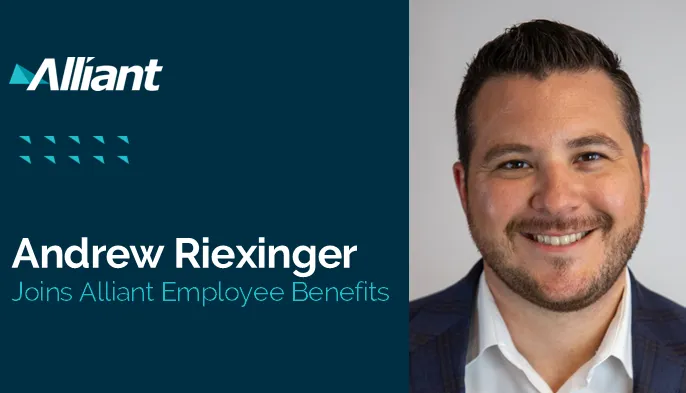
The landscape of employer-sponsored health benefits is undergoing a significant transformation as rising costs compel companies to rethink their strategies. In this evolving environment, insurance brokerages are not just seeking professionals with traditional placement skills; they are looking for individuals who can integrate financial acumen with benefits strategy. A notable example of this trend is the recent hiring of Andrew Riexinger by Alliant Insurance Services, who brings nearly 14 years of experience from Mercer to his new role as a vice president in the employee benefits group in New Jersey.
Riexinger's transition from a principal at Mercer, a global consulting firm, to a vice president at Alliant reflects a broader movement within the insurance industry. As healthcare costs are projected to rise by 6.5 percent on average in 2026—the highest increase since 2010—brokers are now expected to provide more than just quotes during renewal meetings. Employers are increasingly demanding actionable insights that can help them navigate this challenging landscape, making Riexinger's expertise particularly valuable.
Understanding the Financial Landscape of Employer Health Benefits
The healthcare market is not just about providing coverage; it’s about managing costs effectively. According to Mercer's 2025 National Survey of Employer-Sponsored Health Plans, if employers take no action, they could see an average increase of nearly 9 percent in their health benefit costs. This scenario creates a pressing need for brokers who can analyze claims data, design effective benefit plans, and provide strategic insights that align with organizational goals.
The Financial Underwriting Expertise of Riexinger
Riexinger's background in financial underwriting, claims analysis, and benefits strategy equips him to address the complex needs of Northeast employers. His previous role at Mercer involved guiding clients through renewals and helping them evaluate market trends. By leveraging financial models, he assisted organizations in making informed decisions about their health benefits, an approach that is becoming increasingly critical as costs continue to rise.

The Shift Toward Strategic Benefits Conversations
Employers are evolving in their expectations of insurance brokers. Traditionally, brokers were engaged primarily at renewal time, but the current market dynamics necessitate ongoing conversations that are grounded in data. Employers now want to understand how claims experience impacts renewal rates and how different plan designs can mitigate costs. This shift is not an isolated trend; it reflects a broader demand for brokers who can provide comprehensive strategies that account for both financial and clinical considerations.
Rising Healthcare Costs and Their Implications
The increase in healthcare costs is not limited to general expenses; pharmacy costs alone are expected to climb by 11 to 12 percent. This reality highlights the importance of having knowledgeable advisors who can model various scenarios and help employers choose the best course of action. With organizations facing median healthcare cost trends projected at 9 percent, according to the Business Group on Health's 2026 Employer Health Care Strategy Survey, the need for strategic planning becomes even more critical.
Alliant's Strategic Staffing Initiatives
Alliant's recent hiring spree in its employee benefits group signals a commitment to providing clients with the most relevant expertise. The firm has actively sought out advisors like Riexinger who can bridge the gap between financial analysis and client strategy. This approach not only enhances the value proposition for clients but also positions Alliant as a leader in a competitive market.
- Financial Acumen: Brokers with a strong understanding of financial principles can guide employers through complex healthcare decisions.
- Data-Driven Insights: Organizations benefit from ongoing analytics that assess claims and project future costs.
- Holistic Strategies: Effective brokers can design multi-faceted benefits packages that address both current needs and future trends.
- Proactive Engagement: Continuous discussions around benefits can lead to better decision-making and cost management.

The Importance of Claims Analysis in Benefits Design
Claims analysis is a crucial component of managing health benefit costs. Brokers who can dissect claims data and understand its implications for renewal rates enable organizations to make informed decisions. This analytical approach allows employers to explore various plan structures and their potential financial impacts, ultimately leading to better outcomes for both the company and its employees.
Integrating Clinical Insights into Benefits Strategies
As healthcare becomes increasingly complex, brokers must also be equipped with clinical insights that inform benefits strategies. Understanding the healthcare landscape, including emerging trends and treatment modalities, allows brokers to craft plans that not only meet regulatory requirements but also provide value to employees. This integration of clinical knowledge is essential for developing benefit designs that are both cost-effective and comprehensive.

Key Takeaways
- Rising healthcare costs are reshaping the insurance brokerage landscape, necessitating a more strategic approach.
- Employers now expect brokers to provide actionable insights based on claims analysis and financial modeling.
- Alliant's hiring practices reflect a growing demand for professionals with expertise in both finance and healthcare strategy.
- Effective benefits design requires ongoing engagement and analysis of healthcare trends and costs.
Frequently Asked Questions
What factors are driving the increase in healthcare costs for employers?
Several factors contribute to the rising healthcare costs that employers are facing. First and foremost is the increasing price of medical services and prescription drugs. Additionally, the aging population is leading to higher healthcare utilization rates. Chronic diseases and lifestyle-related health issues also play a significant role, as they require ongoing medical care and treatment. As these costs continue to rise, employers must be proactive in managing their health benefits to mitigate financial impacts.
How can employers effectively manage rising health benefit costs?
Employers can manage rising health benefit costs through several strategies, including implementing wellness programs, exploring self-funding options, and leveraging technology for better data analytics. Engaging in proactive claims analysis allows employers to identify trends and areas for improvement. Additionally, redesigning health plans to include more cost-effective options, such as telemedicine and preventive care, can also help control expenses while maintaining quality care.
Why is claims analysis important in designing health benefits?
Claims analysis is critical in designing health benefits because it provides insights into how employees are utilizing healthcare services. By examining claims data, employers can identify high-cost areas and potential cost-saving opportunities. This information informs the design of benefit plans that address employees' actual needs while controlling costs. Moreover, such analysis helps in forecasting future healthcare expenditures, allowing employers to make informed decisions during renewals.
What role do brokers play in the healthcare benefits landscape?
Brokers serve as intermediaries between employers and insurance carriers, providing valuable insights and guidance on health benefit options. They help employers navigate the complex healthcare landscape, ensuring they select the most suitable plans for their workforce. In the current environment, brokers are increasingly expected to provide strategic advice based on data analysis and market trends, making their role more critical than ever in managing health benefit costs effectively.
Comments
Top Emerging Risks for Businesses: Navigating the AI Landscape
As artificial intelligence evolves, businesses face unprecedented risks, particularly in cybersecurity. This article explores the emerging threats and offers strategies for organizations to mitigate their impact.

Related articles







Popular in Business Insurance
- Surging War-Risk Insurance Rates in the Strait of Hormuz: What It Means for Shipping
- Ross & Yerger Insurance Faces Class Action Over Data Breach Allegations
- Sompo Expands U.S. Workers' Compensation Portfolio with Service Insurance Acquisition
- Legal Battle Unfolds Over $1 Million Truck Crash Insurance Payout
- Howden Group's Ambitious Journey Toward IPO and Expansion