University of Utah Cuts Retirement Contributions: Implications for Employees and Employers
The University of Utah's recent decision to reduce retirement contributions for new hires by nearly 30% has sparked controversy among faculty. This move reflects a broader trend in the corporate world, as employers reassess retirement benefits amidst rising costs.
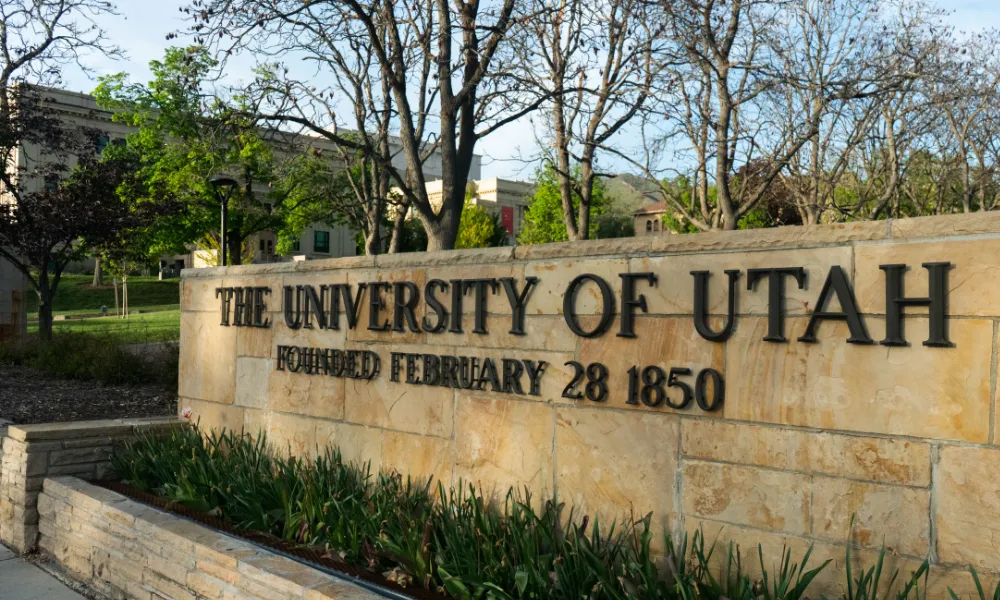
In a significant shake-up of employee compensation, the University of Utah has announced a nearly 30% reduction in retirement contributions for new hires, a move that is resonating throughout the higher education sector and beyond. Effective July 1, 2027, the university will lower its contribution to the 401(a) retirement plan from 14.2% to a maximum of 10%. This decision has raised eyebrows among faculty and staff, who see it as a troubling signal of a shift in how institutions value their employees’ long-term financial well-being.
The reduction in retirement benefits is not just an isolated incident; it exemplifies a growing trend among employers across various sectors who are pulling back on retirement contributions to reallocate resources within their compensation budgets. Jeff Herring, the university's chief human resource officer, described the previous contribution rate as a "national outlier," suggesting that the university has been overly generous at the expense of competitive salary structures.
Understanding the Changes to Retirement Contributions
Under the new contribution structure, employees hired after July 1, 2027, will see a significant decrease in the employer's automatic contribution to their 401(a) retirement accounts. Specifically, the contribution will fall to:
- 6% university contribution to the 401(a) retirement account.
- Employees who contribute at least 4% of their own salary to a supplemental 403(b) account will receive an additional 4% match from the university.
This means that the maximum combined employer contribution for new hires will be capped at 10%, a stark contrast to the previous automatic contribution of 14.2% that required no employee match. Existing employees and those hired before the cut-off date will remain on the old plan, effectively grandfathering them into the more favorable retirement benefit.
Impact on Current and Future Employees
The change has already provoked a strong response from faculty members, many of whom are concerned about the implications for new employees' financial security. Gerald Mace, a professor at the university, articulated this concern by questioning whether the reduction would facilitate higher starting salaries for new faculty members. Herring's vague response, which did not provide a commitment to increased salaries, left many faculty feeling unsettled about the future.
Currently, only about 40% of university employees are actively contributing to their retirement accounts, a statistic Herring referenced to argue that the previous high contribution rate was not fully appreciated by the workforce it intended to attract. The implication here is that many employees may not prioritize retirement savings, leading employers to reconsider their investment in retirement benefits.

The Broader Trend: Retirement Benefits Under Scrutiny
The University of Utah's decision mirrors a larger trend documented in Lockton's 2026 National Benefits Survey, which found that over half (54%) of employers now prioritize cost reduction in their benefits offerings over talent attraction. This shift is notable, as it marks the first time cost-cutting has taken precedence over the goal of attracting talent. For benefits brokers and employers, this raises critical questions about the sustainability of generous retirement contributions in a tightening economic landscape.
The Employee Benefit Research Institute's 2024 Workplace Wellness Survey supports this trend, revealing that employees often undervalue employer retirement contributions compared to their take-home pay. This perception creates a rationale for reducing high-level contributions while attempting to maintain a perceived level of compensation that employees find satisfactory.
The Employee Perspective: Financial Strain and Retirement Security
While cost-cutting may seem like a sensible decision from a fiscal perspective, it poses potential risks to employees already grappling with financial stress. As noted by associate professor Yvette Romero Coronado, the rising costs of living—especially food and housing—are forcing employees to prioritize immediate financial needs over long-term retirement benefits. This reality raises the question: can employers afford to diminish retirement contributions when employees are already facing increasing financial pressures?
Reducing retirement contributions could exacerbate financial insecurity, undermining the very financial wellness programs that employers are attempting to implement. As faculty members at the University of Utah voiced their concerns, it became clear that many employees are wary of any changes that may jeopardize their future financial stability, especially in a climate where inflation and living costs are rising.

What This Means for Employers and Employees
The University of Utah's decision serves as a cautionary tale for employers across industries. While reducing retirement contributions may help alleviate budget constraints in the short term, it risks alienating employees and diminishing their overall job satisfaction. Employers must carefully consider how such changes will impact their ability to attract and retain talent in an increasingly competitive job market.
For employees, the changes underscore the importance of being proactive in retirement planning. With retirement contributions being scaled back, workers may need to take greater responsibility for their financial futures by seeking out additional savings options, such as contributing to individual retirement accounts (IRAs) or increasing contributions to 403(b) plans if available.
Key Takeaways
- The University of Utah is cutting retirement contributions for new hires by nearly 30%.
- New hires will receive a maximum contribution of 10% instead of the previous 14.2%.
- This change reflects a broader trend as employers prioritize cost reduction over generous benefits.
- Current employees will remain under the old contribution structure, but new hires face a more challenging financial landscape.
- Employees are encouraged to be proactive in their retirement planning amidst these changes.
Frequently Asked Questions
Why is the University of Utah reducing retirement contributions?
The University of Utah is reducing retirement contributions to address budget constraints and reallocate resources within its compensation budget. The decision aims to make the university more competitive in salary offerings, especially for positions that face recruitment challenges. By reducing the automatic employer contribution, the university hopes to reinvest those savings into a broader compensation pool, although there is no guarantee that individual salary increases will occur.
How will this affect new employees at the university?
New employees hired after July 1, 2027, will receive a significantly lower employer contribution to their retirement accounts compared to existing employees. They will receive a maximum contribution of 10% instead of the previous 14.2%. This change may impact their long-term financial security and necessitate a greater personal investment in retirement savings.
What can employees do to prepare for retirement in light of these changes?
In light of the changes to retirement contributions, employees should take proactive steps to secure their financial futures. This includes increasing contributions to any available retirement accounts, such as 403(b) plans or IRAs, and evaluating their overall financial strategies to ensure they are saving adequately for retirement. Additionally, employees may benefit from consulting with financial advisors to tailor their retirement planning to their specific needs.
What is the broader trend regarding retirement benefits among employers?
The broader trend indicates that many employers are reevaluating their retirement benefits due to increasing financial pressures. A significant number of employers are prioritizing cost reduction in their benefits offerings, often at the expense of robust retirement plans. This shift has been documented in several studies, reflecting a growing concern among employers about balancing employee benefits with overall compensation strategies.
Comments
Innovative Underwriting: How Trucking Apps are Reshaping Insurance for Small Fleets
As commercial truck insurance premiums soar, small fleets face unique challenges. New data-driven underwriting models from Corgi Insurance and Trucker Path are paving the way for more equitable insurance solutions.

Related articles







Popular in Business Insurance
- Surging War-Risk Insurance Rates in the Strait of Hormuz: What It Means for Shipping
- Ross & Yerger Insurance Faces Class Action Over Data Breach Allegations
- Sompo Expands U.S. Workers' Compensation Portfolio with Service Insurance Acquisition
- Legal Battle Unfolds Over $1 Million Truck Crash Insurance Payout
- Howden Group's Ambitious Journey Toward IPO and Expansion