The Rise of Claude: How AI Models Are Transforming the Insurance Landscape
As insurance companies increasingly adopt artificial intelligence, Anthropic's Claude emerges as a frontrunner. Discover how user satisfaction and strategic partnerships are reshaping the industry's future.
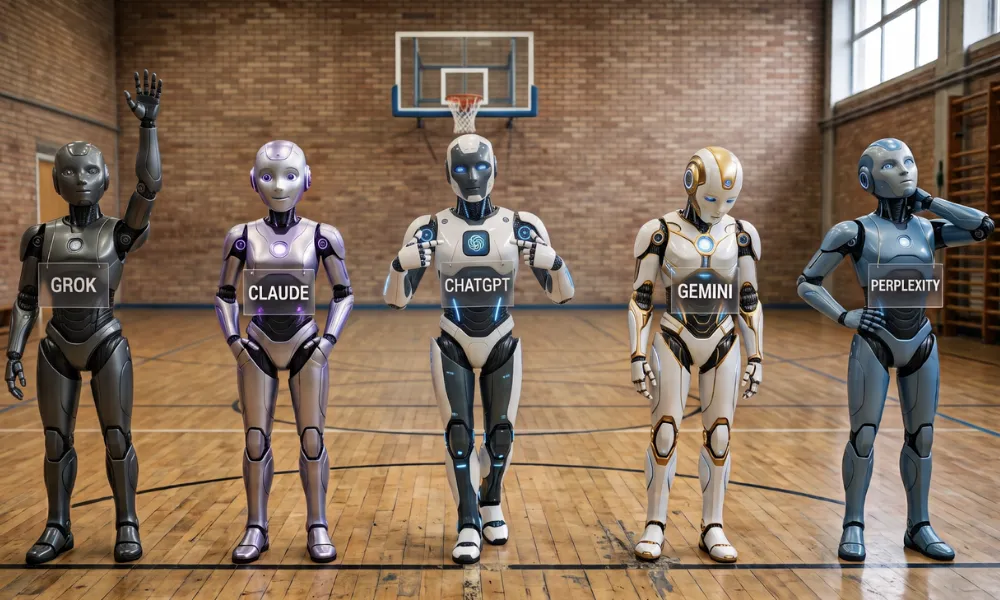
The integration of artificial intelligence (AI) into the insurance sector is rapidly evolving, with carriers and brokers seeking to enhance operational efficiency and customer satisfaction. Over the past year, a notable trend has emerged: the significant adoption of Anthropic's Claude by various insurance entities. This trend is not merely a technological shift; it encapsulates broader themes of user satisfaction, strategic partnerships, and the evolving landscape of AI tools in underwriting, claims processing, and customer service.
As organizations like Baldwin Group and HUB International embrace Claude, reports indicate substantial productivity gains and satisfaction levels that could redefine how insurance operations function. HUB International's rollout of Claude across its workforce led to an impressive 85% increase in productivity for specific tasks, alongside a staggering 90% internal user satisfaction rate. Such metrics illustrate not only the potential of AI in improving workflows but also the significance of user experience in the selection of AI models.
The Satisfaction Factor: A Closer Look at User Experience
According to recent consumer research from YouGov's BrandIndex, user satisfaction plays a critical role in determining the success of AI tools in the insurance market. Claude emerged as the leader in net satisfaction scores, with a remarkable score of 59.3 among users who have interacted with the tool. This figure places Claude ahead of major competitors like Apple Intelligence (57.7), OpenAI's ChatGPT (53.5), and Google's Gemini (51.3). While ChatGPT dominates in terms of overall market preference, satisfaction reflects a deeper understanding of user experience.
Understanding User Satisfaction Metrics
The net satisfaction score is calculated by subtracting the percentage of dissatisfied users from satisfied users. This nuanced measure offers valuable insights into how users feel after prolonged engagement with AI tools. For example, while Claude and Apple Intelligence maintain high scores among current users—76.0 and 75.1, respectively—ChatGPT's satisfaction score among lapsed users drops dramatically to -2.8, highlighting a significant divergence in user experience over time. This shift emphasizes the importance of sustained satisfaction, which can impact long-term relationships with customers.

Adoption Trends: The Multi-Vendor Approach
Despite Claude's rising popularity, the reality of AI integration in insurance is more complex than a single-model dominance. Research indicates that the AI landscape within U.S. carriers resembles a multi-vendor patchwork rather than a monolithic structure. A survey conducted by IA Capital Group found that OpenAI's technology is embedded in about 90% of insurance carriers' tech stacks, often through Microsoft Copilot. In contrast, Claude appears as a secondary model in 55% of these stacks. Google's Gemini, notably, did not appear in any surveyed technology stacks.
The Implications of a Multi-Vendor Strategy
This multi-faceted approach allows insurance companies to leverage the strengths of different AI models, tailoring solutions to specific operational needs. For example, while Claude excels in conversational tasks and analytical document drafting, Microsoft Copilot serves as an operational layer for firms already integrated into the Microsoft ecosystem. Such strategies enable insurers to achieve a balance between immediate operational needs and long-term user satisfaction.

The Changing Landscape of Consumer Interaction
As AI tools evolve, insurance companies are exploring innovative ways to connect with consumers directly through AI chat interfaces. For instance, Spanish digital insurer Tuio made headlines by integrating its services within ChatGPT's app ecosystem, becoming the first carrier to do so. Following suit, Liberty Mutual launched an auto-quoting app within ChatGPT's platform, a move that could significantly shift the insurance distribution landscape.
Challenges and Opportunities for Intermediaries
This shift raises concerns for traditional intermediaries, as evidenced by a notable dip in brokerage stocks following announcements of AI-driven apps. Major players like Aon and Willis Towers Watson saw their stocks drop by 8% to 11% as investors grappled with the potential disruption caused by AI. Insurify's comparable app launch further underscores the urgency for brokers to adapt to this new reality, as insurers increasingly recognize the value of AI in streamlining customer interactions.

The Financial Stakes of AI Integration
The financial implications of adopting AI technology in insurance are significant, with average deal sizes for insurance AI transactions reaching $23.23 million in the second quarter of 2026. As the competition for AI contracts intensifies, insurance companies must navigate complex pricing structures that vary widely between vendors. For instance, while Microsoft's Copilot is marketed at $30 per seat, the true cost can balloon to $42.50 per user per month when factoring in required subscriptions.
Strategic Decision-Making in AI Procurement
Choosing the right AI model is not merely a matter of cost; it involves considering the long-term ramifications of integrating a specific tool into existing workflows. Insurance companies that invest in training staff and restructuring operations around a particular model face a multi-year commitment. This underscores the importance of closely monitoring user satisfaction, both for current and former users, as a critical metric in evaluating AI's ongoing effectiveness.
Key Takeaways
- Claude Leads in User Satisfaction: Anthropic's Claude has emerged as the top AI model based on user satisfaction, outperforming competitors like ChatGPT and Apple Intelligence.
- Multi-Vendor Strategies Are Common: Most insurance carriers utilize a combination of AI models, with OpenAI dominating while Claude serves as a secondary option.
- AI Tools Are Reshaping Consumer Interactions: Insurers are increasingly integrating AI chat interfaces to improve customer engagement and streamline service delivery.
- Financial Stakes Are High: The average deal size for AI transactions in insurance is substantial, necessitating careful consideration in vendor selection.
- User Experience Matters: Long-term user satisfaction is critical for the success of AI models in the insurance sector, impacting retention and operational effectiveness.
Frequently Asked Questions
What factors contribute to AI model selection in the insurance industry?
Insurance companies consider several factors when selecting AI models, including user satisfaction, functionality, integration with existing systems, and cost. The long-term effectiveness of an AI tool is often assessed through user feedback, particularly looking at both current and former users' experiences. This holistic view helps insurers make informed decisions about which AI models to incorporate into their operations.
How does user satisfaction impact AI implementation in insurance?
User satisfaction is vital for successful AI implementation, as it can affect employee productivity, customer retention, and the overall effectiveness of AI tools. High satisfaction scores among current users indicate that the AI model meets their needs and enhances their workflows. Conversely, declining satisfaction scores among former users can signal potential issues that may hinder long-term adoption and success.
What challenges do insurers face when integrating AI technology?
Insurers encounter various challenges when integrating AI, including the complexity of existing workflows, the need for staff training, and the potential for disruption to traditional business models. Additionally, varying pricing structures and the financial implications of multi-year commitments can complicate decision-making. Insurers must navigate these challenges carefully to ensure successful AI integration.
Will AI tools replace traditional insurance roles?
While AI tools have the potential to enhance efficiency and streamline processes within the insurance industry, they are unlikely to completely replace traditional roles. Instead, AI is expected to augment human capabilities, allowing insurance professionals to focus on more complex tasks that require critical thinking and human interaction. The future of insurance will likely involve a collaborative approach between AI and human employees.
Comments
Reinsurance Industry Sees Near-Record Returns: What It Means for the Future
The reinsurance sector has reported its second-highest half-year return on equity in a decade, but a deeper analysis reveals complexities that may impact future performance. This article delves into the numbers, trends, and challenges facing the reinsurance market.

Related articles







Popular in Business Insurance
- Surging War-Risk Insurance Rates in the Strait of Hormuz: What It Means for Shipping
- Ross & Yerger Insurance Faces Class Action Over Data Breach Allegations
- Sompo Expands U.S. Workers' Compensation Portfolio with Service Insurance Acquisition
- Legal Battle Unfolds Over $1 Million Truck Crash Insurance Payout
- Howden Group's Ambitious Journey Toward IPO and Expansion