Navigating Construction Risk: The Rise of Off-Site Storage Challenges
As construction companies adapt to supply chain disruptions by ordering equipment earlier, the shift brings new risks associated with off-site storage. Understanding these challenges is vital for project success and insurance coverage.

The construction industry is undergoing a significant transformation as companies grapple with supply chain disruptions that have become all too common in recent years. In response to these challenges, many construction firms are adopting a proactive approach by ordering critical materials and equipment earlier than ever before. While this strategy aims to keep projects on schedule, it introduces a host of new risks, particularly regarding off-site storage. As highlighted in Arch Insurance International's inaugural Construction Risk Report, construction professionals must now navigate a complex landscape of insurance considerations, including theft, maintenance, natural disasters, and the management of high-value materials.
In a survey of 44 property owners, developers, and contractors worldwide, Arch found that a staggering 78% had experienced greater volatility in material sourcing and procurement. Moreover, over half of the respondents identified supply chain disruptions as one of their leading concerns. This shift in procurement strategy, moving away from the traditional "just in time" model, suggests that off-site storage arrangements are becoming a critical focal point for project managers and insurance underwriters alike.
The Shift to Early Procurement
Tim Chapman, head of construction at Arch, emphasizes that the move to buy materials earlier has become standard practice. This change is not merely a trend; it is a necessary adaptation to mitigate the risks associated with supply chain volatility. By purchasing materials sooner, companies aim to protect their project timelines against unforeseen delays caused by geopolitical tensions or natural disasters.
However, this proactive approach also creates new challenges that must be addressed during the project design phase. Insurers are increasingly scrutinizing the security arrangements for off-site storage locations, potential natural catastrophe exposures, and maintenance requirements for equipment that may sit idle for months. As Chapman notes, these considerations must be integrated into the risk assessment process, as they significantly affect overall project viability.
Off-Site Storage Risks
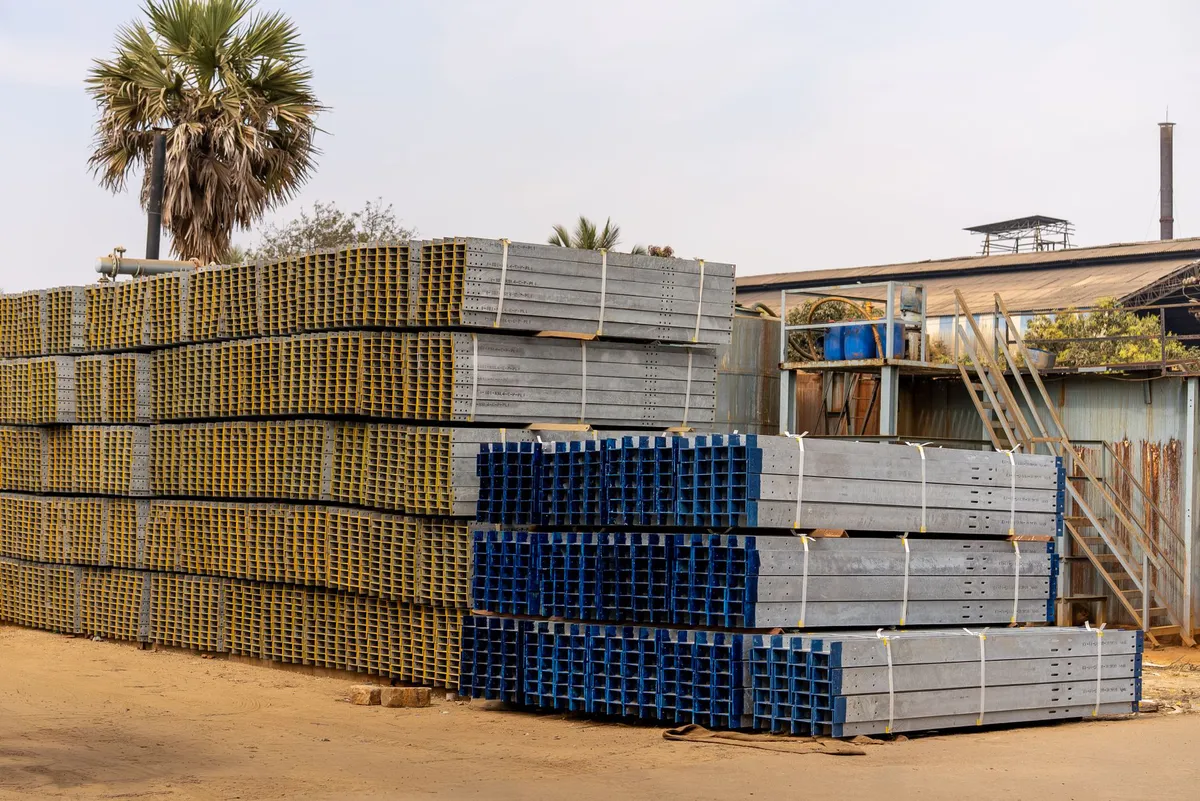
While off-site storage can be a practical solution to procurement challenges, it brings with it a unique set of risks. Some key concerns include:
- Theft and Vandalism: High-value materials stored off-site are often attractive targets for thieves. Construction companies must implement robust security measures to protect their assets.
- Natural Catastrophes: Off-site storage facilities may be exposed to risks from fires, floods, or other natural disasters. Understanding the geographical risks associated with storage locations is crucial.
- Equipment Maintenance: Extended storage periods can lead to deterioration or damage to equipment. Proper maintenance protocols must be established to ensure readiness when materials are eventually deployed.
- Value Accumulation: As materials sit in storage for longer periods, their value may increase. Insurers need to assess whether existing coverage is sufficient to protect against potential losses.
Managing Equipment Maintenance
One critical aspect of managing off-site storage is ensuring that equipment and materials are maintained properly. When equipment is not installed and commissioned within the expected timeframe, it may require specific preservation measures to prevent degradation. This need for maintenance introduces additional costs and complexities. For instance, if a piece of machinery is delayed and exceeds its warranty period, the construction company may have to pay for warranty extensions, which can significantly impact project budgets.
Insurance Implications
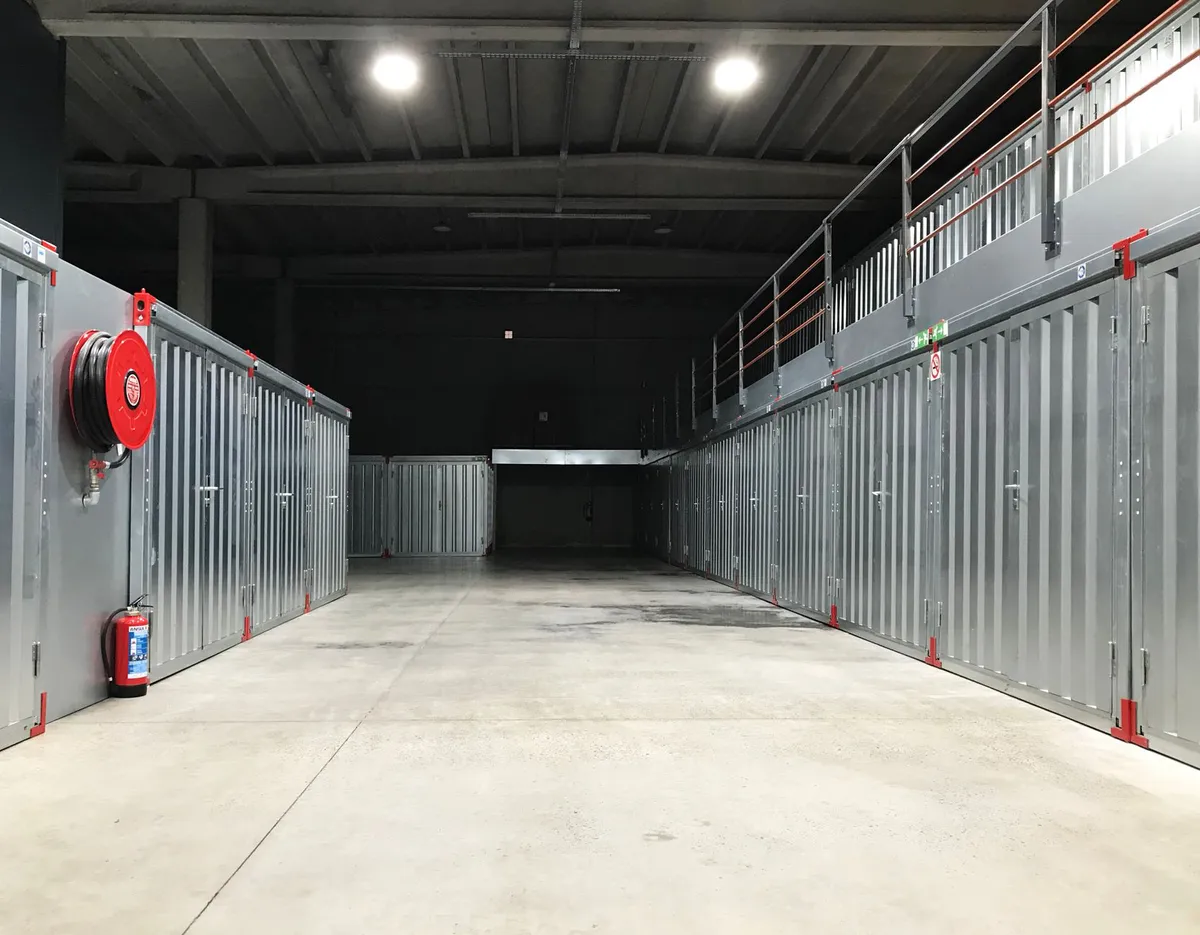
The evolving landscape of construction risk management necessitates a reevaluation of how insurance policies are structured. As off-site storage becomes more common, underwriters are likely to adjust their terms and conditions to reflect the increased risk exposure. Kevin Lumiste, a senior construction underwriter at Arch, highlights that insurers will be focusing on two main factors: the quality of storage facilities and the rising values of materials and equipment held in storage.
When off-site storage is not arranged in advance, finding suitable warehouses with adequate fire protection and security can become a challenge. This situation can lead to insured parties facing coverage gaps if they cannot find appropriate storage solutions. Furthermore, the accumulation of high-value materials in storage may compel insurers to reassess premiums and coverage limits.
Contractual Risk Allocation
As Stephen Convery, another senior construction underwriter at Arch, points out, the contractual allocation of risk between clients and contractors is a crucial factor in managing construction delays. While clients are taking steps to mitigate their risks through supply chain reviews and redundancy planning, not all supply chain risks can be effectively addressed through insurance or planning alone. Therefore, ongoing scrutiny of contractual agreements is essential to ensure that responsibilities are clearly defined and manageable.
Geopolitical Concerns and Future Impacts
Geopolitical tensions can have far-reaching implications for the construction industry. Although Arch's survey indicated that direct construction claims from geopolitical issues have not yet surged, the potential for increased Delay in Start-Up claims is significant. As components take longer to reach construction sites, projects may face costly delays that impact timelines and budgets.
Moreover, climate-related exposures are receiving closer scrutiny as weather events become increasingly unpredictable. More than three-quarters of survey respondents acknowledged that their exposure to climate-related risks has risen over the past five years. As such, underwriters must carefully evaluate risk factors associated with weather-related disruptions when determining policy terms.
Enhancing Risk Management Strategies
To improve the placement of coverage and ensure comprehensive risk management, brokers and construction companies should work together to provide detailed information to underwriters. This includes due diligence reports, risk registers, and technology readiness levels that clearly communicate how identified risks are being managed. The more data shared with insurers, the better equipped they are to make informed underwriting decisions that result in appropriate coverage tailored to the specific needs of the project.
Convery encourages brokers and clients to engage with underwriters early in the planning or design stages of a project. By doing so, they can collaboratively address key decisions that will shape the overall risk profile, such as procurement timing and storage locations. Waiting until a placement reaches the market often leads to missed opportunities for risk mitigation.
Key Takeaways
- Early procurement of materials can mitigate supply chain disruptions but increases off-site storage risks.
- Insurers are focusing on security, maintenance, and value accumulation in off-site storage assessments.
- Contractual agreements between clients and contractors should be continuously reviewed to manage risks effectively.
- Geopolitical tensions and climate exposure are emerging challenges requiring careful consideration in risk management.
- Brokers and clients should collaborate with underwriters early to address risk factors and improve coverage placement.
Frequently Asked Questions
What are the primary risks associated with off-site storage in construction?
Off-site storage introduces several risks, including theft, natural disasters, equipment maintenance challenges, and the accumulation of high-value materials that need adequate insurance coverage. Companies must implement strong security measures and maintain equipment properly to mitigate these risks effectively.
How can construction companies manage the costs associated with delayed equipment warranties?
To manage costs related to delayed equipment warranties, construction companies should proactively monitor their project timelines and coordinate closely with suppliers to ensure timely installation. If delays are unavoidable, companies may need to negotiate warranty extensions with manufacturers, keeping in mind that these extensions often come with additional fees.
How does geopolitical instability affect construction projects?
Geopolitical instability can lead to delays in material supply chains, resulting in increased Delay in Start-Up claims. While direct claims related to geopolitical events may not yet be significant, the potential for future disruptions necessitates careful planning and risk management by construction companies.
What role do brokers play in managing construction risks?
Brokers play a critical role in managing construction risks by acting as intermediaries between clients and insurers. They help clients understand their risk exposures, collaborate with underwriters to secure appropriate coverage, and provide essential data that can enhance underwriting decisions.
Comments
Reinsurance Industry Sees Near-Record Returns: What It Means for the Future
The reinsurance sector has reported its second-highest half-year return on equity in a decade, but a deeper analysis reveals complexities that may impact future performance. This article delves into the numbers, trends, and challenges facing the reinsurance market.
Related articles







Popular in Business Insurance
- Surging War-Risk Insurance Rates in the Strait of Hormuz: What It Means for Shipping
- Ross & Yerger Insurance Faces Class Action Over Data Breach Allegations
- Sompo Expands U.S. Workers' Compensation Portfolio with Service Insurance Acquisition
- Legal Battle Unfolds Over $1 Million Truck Crash Insurance Payout
- Howden Group's Ambitious Journey Toward IPO and Expansion