Understanding the Rising Tide of Insured Catastrophe Losses: A $171 Billion Challenge
The global insurance industry prepares for an unprecedented $171 billion in annual insured catastrophe losses. Explore the factors driving this increase and its implications for consumers and insurers alike.
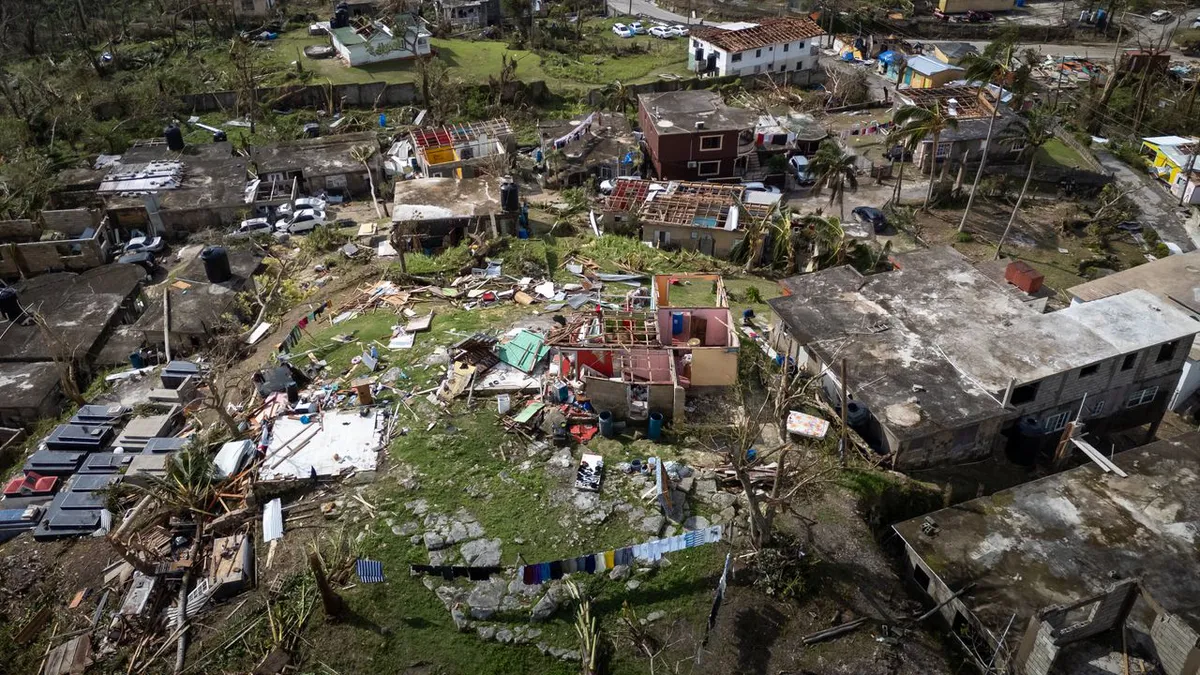
The global insurance landscape is evolving at a pace that is hard to ignore, particularly as recent studies indicate that the industry should brace for an average annual catastrophe loss of a staggering $171 billion. This figure, reported by Verisk in its 2026 Global Modeled Catastrophe Losses report, represents an alarming increase of $19 billion from the previous year, underlining a critical shift in how natural disasters impact the insurance sector. Even in a year devoid of major hurricane landfalls in the U.S., global insured losses exceeded $100 billion for the sixth consecutive year, driven by a combination of wildfires, severe thunderstorms, and the rising value of properties.
The implications of these rising figures go beyond mere statistics; they reflect a changing risk landscape that could affect policyholders, insurance companies, and regulators alike. As we delve deeper into this report, we will explore the factors contributing to this increase, the types of perils that are driving losses, and what individuals and businesses should consider moving forward.
Understanding the Rising Average Annual Loss
Verisk’s benchmark of $171 billion in average annual loss (AAL) is not merely an annual forecast; rather, it serves as a long-term benchmark derived from sophisticated simulations across over 120 countries and regions. This figure is particularly significant given that just over a decade ago in 2012, the equivalent number stood at only $59 billion. The report indicates that the shift in loss patterns is being driven by several key factors:
- Increased Property Exposure: Global property exposure has seen an annual growth of approximately 7% since 2021.
- Rising Rebuilding Costs: Reconstruction costs in the U.S. have risen by about 5% annually, outpacing general inflation.
- Demand Surge: Post-catastrophe demand for materials and labor increases costs significantly.
- Frequency of Secondary Perils: Severe thunderstorms and wildfires now contribute significantly to annual losses.
Shifting Risk Dynamics
The report emphasizes that a quiet hurricane season is no longer an indicator of reduced risk. In fact, severe convective storms, which include thunderstorms, now account for 40% of global insured average annual losses, surpassing tropical cyclones and other natural disasters. This shift underscores a crucial change in how insurers approach underwriting and risk assessment. Insurers may mistakenly view a lack of hurricanes as a sign to soften rates and relax underwriting standards, which could lead to significant repercussions when a severe event occurs.
The Impact of Climate Change and Economic Factors
Climate change and rising property values are not just buzzwords; they are pivotal in shaping the insurance landscape. Verisk identifies four primary drivers of the increasing AAL, including:
1. Near-Present Climate Modeling
Advanced climate modeling techniques allow insurers to better understand potential risks based on current trends rather than historical data alone. This approach helps to prepare for loss scenarios that may not have been evident in past experiences.
2. Demand Surge
When a disaster strikes, the immediate demand for construction materials and labor can outstrip supply, leading to skyrocketing costs. Verisk estimates that demand surge contributes approximately 10% ($15.7 billion) to the global modeled AAL.
3. Increased Property Exposure
As populations grow and urban sprawl continues, more properties are being built in high-risk areas. This not only increases the potential for losses but also complicates risk assessment for insurers.
4. Site-Specific Risk Precision
Insurers are increasingly using data-driven approaches to evaluate risks at specific locations, leading to more accurate premium calculations that reflect the true risk level of a property.
The Protection Gap: Who Is Left Vulnerable?
Despite the staggering figures of insured losses, a significant portion of economic losses remains unprotected. Global economic losses from natural catastrophes are estimated to exceed $450 billion annually, yet insured losses cover only about 38% of this total. This disparity is particularly pronounced in different regions:
- North America: Approximately 53% of economic losses are insured.
- Europe: Only about 22% of economic losses are covered.
- Asia: A mere 14% of economic losses are insured.
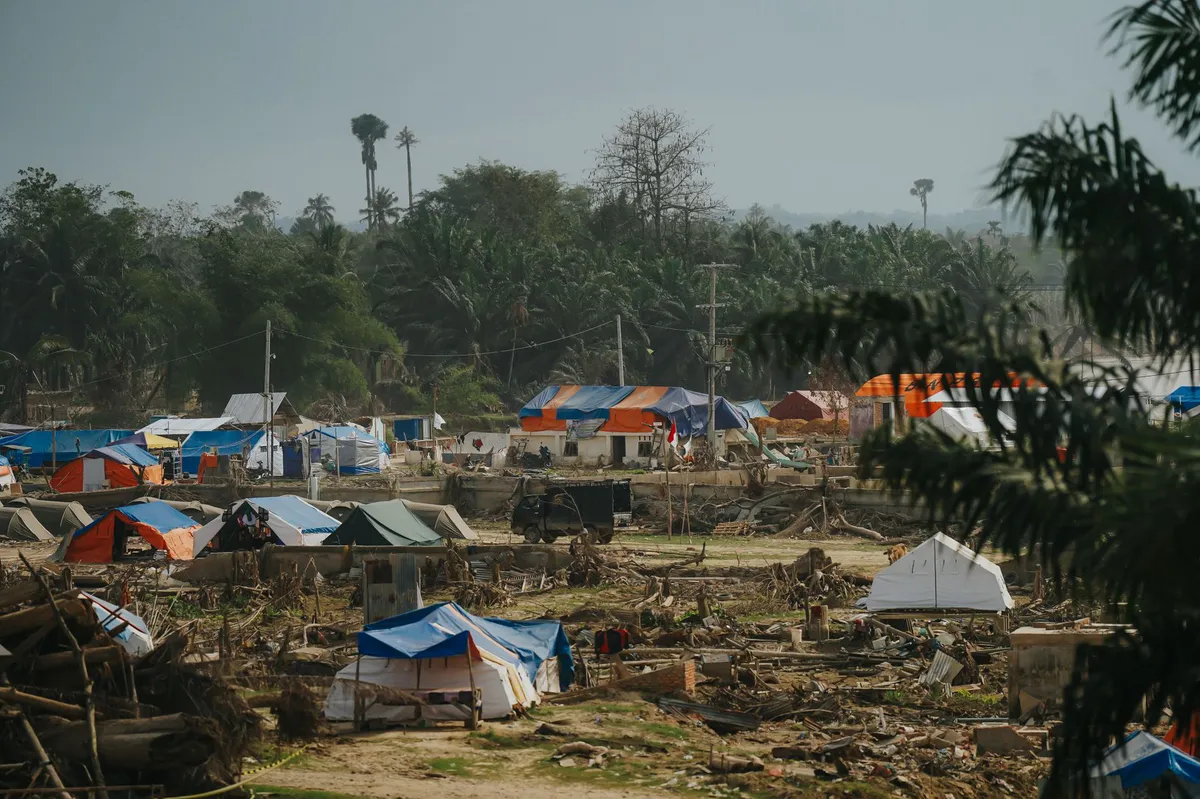
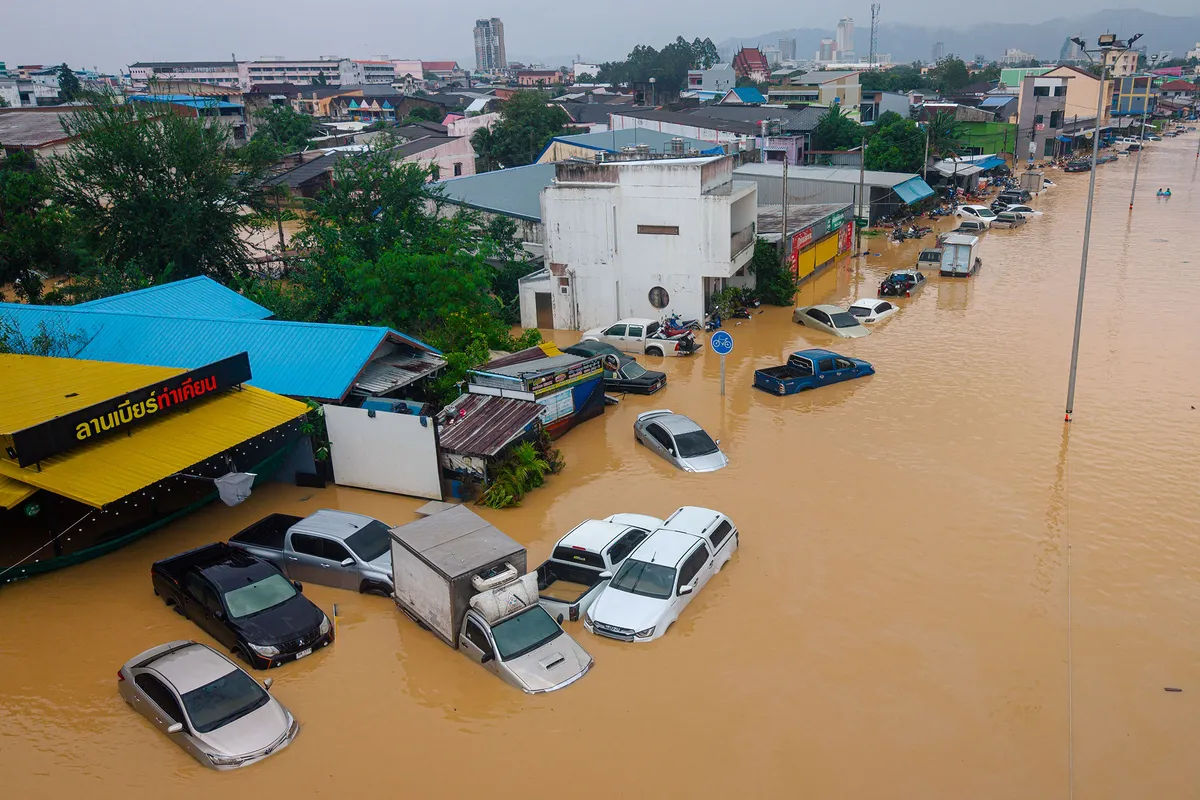
The July 2025 floods in Central Texas, which resulted in $1.1 billion in residential economic losses and over 130 fatalities, highlight the dangers of low insurance take-up rates. The national flood insurance take-up rate stands at just 3%, with even lower rates in high-risk areas. This gap illustrates the vulnerabilities many households face, especially in mature markets where awareness and accessibility to insurance solutions should ideally be higher.
Key Takeaways
- The global insurance industry should prepare for an average annual catastrophe loss of $171 billion.
- Severe thunderstorms are now the leading cause of insured losses, surpassing hurricanes.
- A quiet hurricane season does not indicate reduced risk; frequency perils are redefining the catastrophe landscape.
- Economic losses from natural disasters significantly exceed insured losses, highlighting a growing protection gap.
- Insurers must adapt to changing risk dynamics to maintain financial stability.
Frequently Asked Questions
What does the $171 billion average annual loss mean for policyholders?
The $171 billion average annual loss (AAL) figure serves as a benchmark for insurers to assess risk and set premiums. For policyholders, this could mean that insurance rates may rise as insurers adjust to the increasing costs associated with natural disasters. Understanding this benchmark can help consumers make informed decisions about their coverage options and whether they should seek additional protection against specific risks.
How can consumers protect themselves from rising insurance costs?
Consumers can take proactive steps to protect themselves from rising insurance costs by ensuring that they have adequate coverage for their property and liabilities. This might include reviewing and updating existing policies, considering additional coverage for floods or wildfires, and ensuring that they are aware of the specific risks associated with their geographic area. Additionally, consumers should shop around for competitive rates and consult with insurance agents to explore tailored coverage options.
What role does climate change play in increasing insurance losses?
Climate change is a significant factor contributing to the rising frequency and severity of natural disasters, which in turn leads to higher insured losses. As weather patterns become more unpredictable and extreme, the risk of catastrophic events increases. Insurers are now utilizing advanced climate models to better understand these risks and adjust their underwriting practices accordingly. This means that climate change is not just an environmental issue; it has direct implications for insurance pricing and availability.
Are there any measures being taken to address the protection gap?
Efforts are underway to address the protection gap through increased awareness, policy initiatives, and educational programs aimed at consumers in high-risk areas. Insurers and governments are collaborating to develop innovative solutions, such as microinsurance products and subsidized flood insurance, to improve coverage rates. Additionally, there is a push to enhance floodplain management and disaster preparedness to mitigate risks and encourage higher insurance take-up rates.
Comments
Kensington Insurance Faces Consequences for Discovery Failures
Kensington Insurance Company loses coverage dispute due to missed discovery deadlines, emphasizing the importance of timely legal compliance.

Related articles


Popular in Business Insurance
- Surging War-Risk Insurance Rates in the Strait of Hormuz: What It Means for Shipping
- Ross & Yerger Insurance Faces Class Action Over Data Breach Allegations
- Sompo Expands U.S. Workers' Compensation Portfolio with Service Insurance Acquisition
- Legal Battle Unfolds Over $1 Million Truck Crash Insurance Payout
- Howden Group's Ambitious Journey Toward IPO and Expansion