Judge Rules on Economic Claims Following Baltimore Bridge Collapse
A federal judge has dismissed most economic damage claims related to the Baltimore Bridge tragedy, invoking a 1927 Supreme Court precedent. This article explores the implications of the ruling, the background of the incident, and what it means for affected parties.
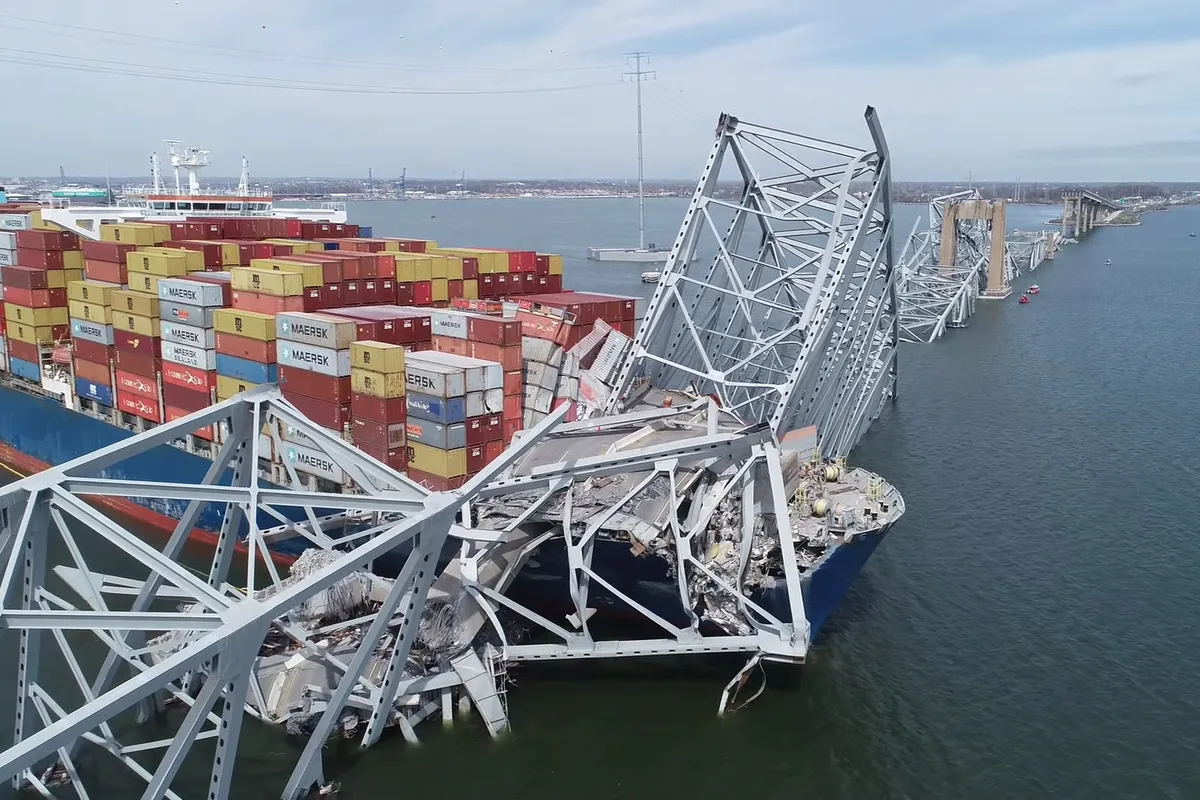
In a significant legal decision, U.S. District Senior Judge James K. Bredar has dismissed a majority of economic damage claims stemming from the tragic collapse of the Francis Scott Key Bridge in Baltimore. This ruling comes in the wake of a disastrous event where the cargo ship Dali struck the bridge on March 26, 2024, resulting in the deaths of six construction workers and substantial disruption to local commerce and shipping channels. The judge's ruling emphasizes the limitations of liability in maritime matters and reinforces a nearly century-old legal precedent, which could have far-reaching implications for municipalities and businesses seeking compensation for indirect economic losses.
The implications of this ruling are profound, not just for the parties involved in this case but for broader discussions on liability and economic recovery in maritime accidents. As Maryland grapples with the aftermath of the bridge's collapse, many stakeholders are left reassessing their potential for compensation. This article delves into the specifics of the court's decision, the context surrounding the tragedy, and the potential next steps for those impacted.

Background of the Francis Scott Key Bridge Collapse
The Francis Scott Key Bridge, a vital transportation link in Baltimore, collapsed after being struck by the Dali cargo ship during its departure from the Port of Baltimore. This catastrophic incident not only resulted in loss of life but also obstructed a significant shipping channel and disrupted local traffic and commerce. The bridge's collapse became a focal point for discussions on infrastructure safety, maritime regulations, and corporate accountability.
Legal Framework Governing Liability
The legal landscape surrounding maritime liability is complex, governed by a blend of federal and state laws. One significant component is the Limitation of Liability Act of 1851, which allows shipowners to limit their liability to the value of their vessel. In this case, the owners of the Dali, Grace Ocean Private Ltd. and Synergy Marine Group, have sought to invoke this law, arguing that their liability should be capped at approximately $44 million, the estimated value of the ship. This legal maneuvering has been a critical aspect of the ongoing litigation and settlements associated with the bridge collapse.
Judge's Ruling and Its Implications
On August 25, 2026, Judge Bredar ruled that many of the economic damage claims brought by the city and county of Baltimore, as well as private businesses, were invalid. The court cited the 1927 Supreme Court case Robins Dry Dock & Repair Co. v. Flint, which established that parties without a proprietary interest in damaged property cannot recover for purely economic losses resulting from physical damage. According to Judge Bredar, since the claimants did not own the bridge and could not demonstrate a recognizable interest in any other property that suffered physical damage, their claims were dismissed.
Claims Dismissed
The ruling dismissed a range of claims from various stakeholders, including:
- Claims for business interruption and lost revenue from local companies, including those in the longshore, manufacturing, and publishing sectors.
- Claims for increased shipping costs and lost economic revenue from private insurers such as Markel, Liberty Mutual, and AXA XL.
- Claims related to infrastructure damage and increased operational costs for the city and county.
While the court did allow some claims to proceed, including those related to damage to a 72-inch water main and potential damages to waterways and shorelines, the bulk of economic loss claims were rejected. This dismissal underscores the challenges municipalities and businesses face when seeking compensation for indirect economic losses following maritime accidents.

Settlements and Ongoing Legal Battles
Following the bridge collapse, several settlements have already been reached. Grace Ocean and Synergy Marine have settled claims with various parties, including a $102 million settlement with the federal government for cleanup costs and a $2.5 million settlement with the state of Maryland for environmental damage. Families of the deceased workers have also reached undisclosed settlements for wrongful death claims.
However, while significant financial settlements have been achieved, the court's recent ruling on economic claims may limit future recovery for affected parties. As many businesses and municipalities reassess their legal strategies, they must navigate a complex legal environment that balances corporate liability with the need for accountability in the maritime industry.
What This Means for Future Maritime Liability Cases
The dismissal of these economic claims is particularly notable in light of the broader implications for maritime liability law. The ruling emphasizes the importance of having a proprietary interest in property to recover economic losses and sets a precedent that may discourage future claims of this nature. Stakeholders in the maritime industry, including shipping companies and insurers, will be closely monitoring the outcomes of related cases to gauge the potential impact on their operations and liability exposure.
As municipalities and businesses continue to grapple with the fallout from the Baltimore bridge collapse, they may need to explore alternative avenues for compensation and consider the limitations imposed by existing legal precedents. Legal experts suggest that this case could serve as a catalyst for broader discussions on reforming maritime liability laws to better address the needs of affected parties in similar situations.

Key Takeaways
- The judge dismissed most economic claims related to the Baltimore Bridge collapse, citing a lack of proprietary interest.
- The Limitation of Liability Act of 1851 allows shipowners to cap their liability at the value of their vessel.
- Settlements have occurred for various claims, though many economic loss claims remain unresolved.
- This ruling may set a precedent that limits future recovery for indirect economic losses in maritime accidents.
- Stakeholders must reassess their legal strategies in the wake of this ruling and consider alternatives for compensation.
Frequently Asked Questions
What is the Limitation of Liability Act of 1851?
The Limitation of Liability Act of 1851 is a federal law that allows shipowners to limit their liability in maritime accidents to the value of their vessel. This law aims to encourage investment in maritime commerce by reducing the financial risks associated with maritime operations. In the case of the Dali cargo ship, the owners are seeking to limit their liability to approximately $44 million, the estimated value of the ship.
What are economic damages in the context of this case?
Economic damages refer to losses incurred by individuals or businesses as a result of an event, such as business interruption, lost profits, or increased operational costs. In the context of the Baltimore Bridge collapse, various businesses and municipalities sought compensation for economic damages resulting from the bridge's destruction, including lost revenue and increased shipping costs. However, many of these claims were dismissed due to a lack of demonstrated property interest.
How does the Robins Dry Dock precedent impact liability cases?
The Robins Dry Dock & Repair Co. v. Flint case established a significant precedent in maritime law, ruling that parties without a proprietary interest in damaged property cannot recover for purely economic losses. This precedent has been cited in the Baltimore bridge case to dismiss numerous economic claims, underscoring the importance of demonstrating a direct interest in property to seek compensation for losses.
What are the next steps for affected parties?
Affected parties, including businesses and municipalities, must reassess their legal strategies following the dismissal of economic claims. Many may consider pursuing claims related to property damage or exploring settlement options with the responsible parties. Additionally, stakeholders may advocate for reforms in maritime liability laws to better address the needs of those impacted by similar incidents in the future.
Comments
Kensington Insurance Faces Consequences for Discovery Failures
Kensington Insurance Company loses coverage dispute due to missed discovery deadlines, emphasizing the importance of timely legal compliance.

Related articles







Popular in Business Insurance
- Surging War-Risk Insurance Rates in the Strait of Hormuz: What It Means for Shipping
- Ross & Yerger Insurance Faces Class Action Over Data Breach Allegations
- Sompo Expands U.S. Workers' Compensation Portfolio with Service Insurance Acquisition
- Legal Battle Unfolds Over $1 Million Truck Crash Insurance Payout
- Howden Group's Ambitious Journey Toward IPO and Expansion