Tesla's Cybercab Launch: The Future of Autonomous Ride-Hailing
As Tesla prepares to unveil its Cybercab, questions loom over its regulatory compliance and market strategy. This article explores the implications of Tesla's ambitions in the autonomous vehicle space.
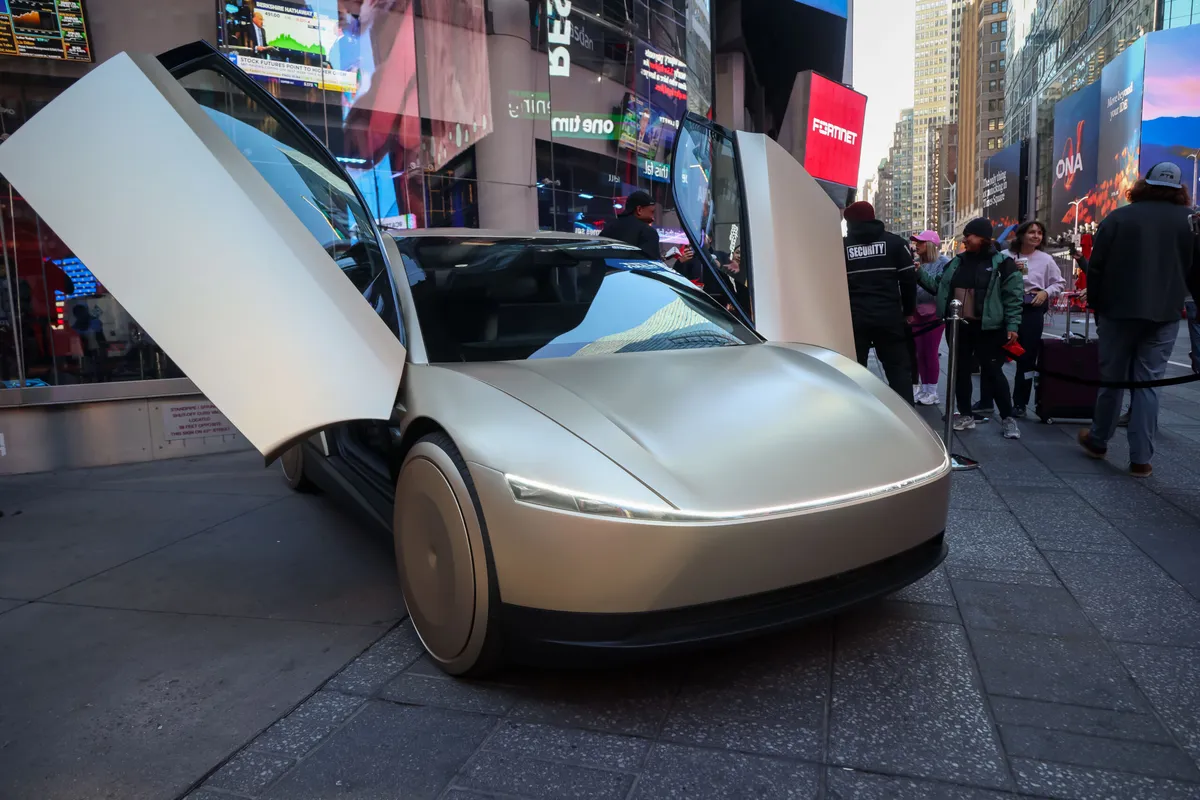
In a world increasingly driven by technological innovation, the automotive sector is undergoing a seismic shift, and at the forefront of this revolution is Tesla. In late 2024, Elon Musk introduced the Cybercab, a groundbreaking vehicle designed without traditional controls like steering wheels or foot pedals. As anticipation builds for another major announcement, Tesla is set to officially integrate the Cybercab into its robotaxi service during a launch event in Austin this Thursday. This reintroduction promises to redefine how Americans think about transportation, but a shroud of mystery surrounds the event, raising critical questions about the vehicle's deployment and regulatory status.
The Cybercab is not just another electric vehicle; it's a statement of intent from Tesla, as the company seeks to transition from being a prominent electric car manufacturer to a leader in artificial intelligence and autonomous transportation. However, the trajectory of this ambitious vision is fraught with uncertainties, particularly regarding the vehicle's regulatory compliance and market readiness.
Understanding the Cybercab: Features and Innovations
The Cybercab represents Tesla's latest foray into autonomous vehicle technology, boasting a design devoid of conventional driving controls. This departure from the norm is indicative of broader trends in the automotive industry, where electric and autonomous vehicles are becoming more prevalent. The absence of a steering wheel and pedals is not merely a design choice; it reflects the underlying technology that enables fully autonomous driving.
Technological Underpinnings
Central to the Cybercab's operation is Tesla's advanced AI system, which leverages machine learning to navigate urban environments safely and efficiently. The vehicle's sensors and cameras allow it to perceive its surroundings, making real-time decisions that mimic human driving behavior. However, this leap in technology invites scrutiny, particularly regarding safety and user trust.
Market Positioning
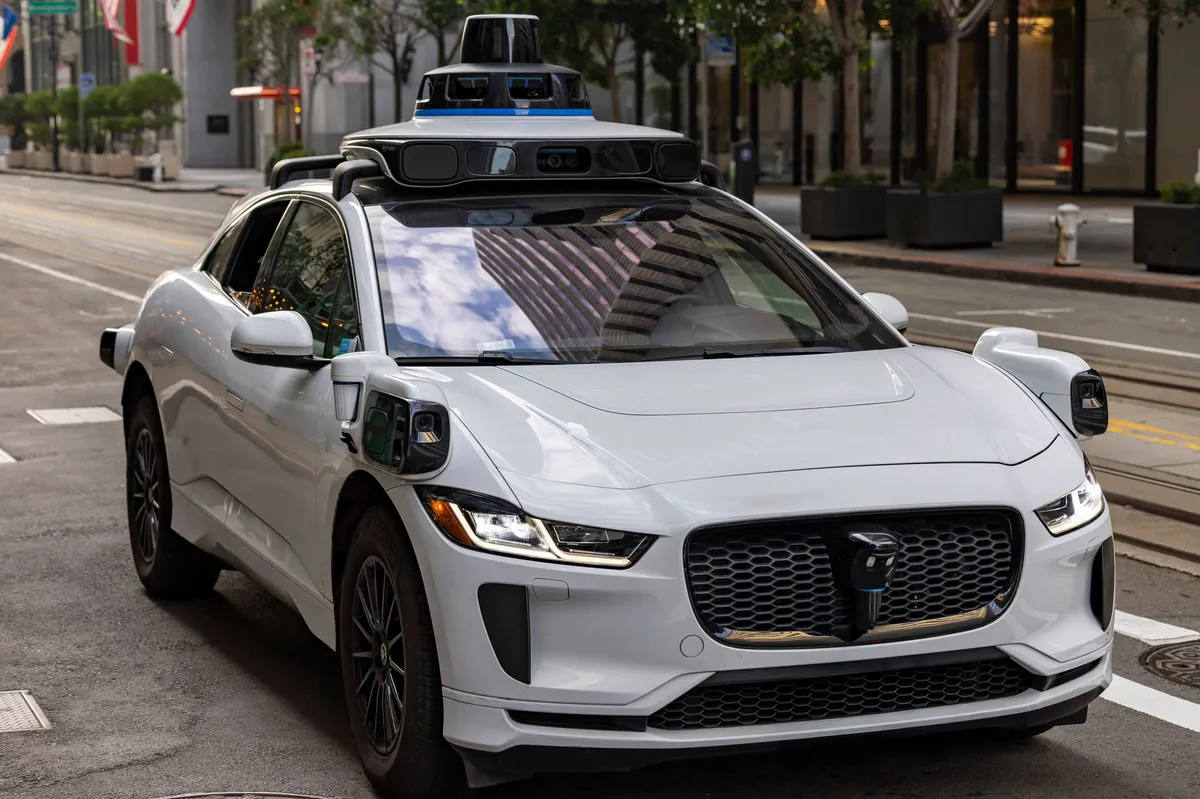
As Tesla gears up for the launch, it is essential to consider how the Cybercab fits into the broader landscape of autonomous vehicle services. Currently, Tesla operates a fleet of approximately 420 robotaxis in Texas, predominantly using modified Model Y vehicles. This is a fraction of the nearly 1,000 vehicles that Waymo, a subsidiary of Alphabet Inc., has on the road in the same region. The success of the Cybercab could either solidify Tesla's position in the rapidly evolving market or hinder its growth if regulatory hurdles remain unresolved.
Investor Sentiment and Market Implications
As Tesla approaches its launch event, investor sentiment is a crucial factor. The company's stock has experienced a significant decline of 21% this year, contrasting sharply with the S&P 500's 12% rise. However, leading up to the event, shares have seen a modest recovery, increasing by 20% since late July.
Analyst Perspectives
Market analysts are closely monitoring the upcoming event for clues about Tesla's strategy. Andrew Percoco of Morgan Stanley has highlighted the potential for varying investor reactions based on the scale of the Cybercab's rollout. A limited unveiling could lead to a drop in stock prices, while a broader deployment plan could excite investors, boosting confidence in Tesla's future.
Potential for a Broader Rollout
The current testing phase of the Cybercab includes trials in multiple U.S. cities, which suggests that Tesla is preparing for a more extensive rollout. As of now, Tesla has registered 45 Cybercabs with the Texas authorities, and if the company is indeed gearing up for a larger-scale launch, it could dramatically alter the competitive landscape of autonomous ride-hailing services.
Regulatory Landscape: Challenges Ahead
The path to deploying the Cybercab is not without significant regulatory challenges. Traditional vehicle design mandates certain features, such as brake pedals and mirrors, which the Cybercab lacks. Navigating this regulatory landscape will be a critical hurdle for Tesla as it seeks to deploy its autonomous vehicles commercially.
Current Regulatory Framework
In the U.S., the National Highway Traffic Safety Administration (NHTSA) has been actively engaged in discussions around updating safety regulations to accommodate autonomous vehicles. However, as of now, the proposed changes have not been finalized. Tesla has not yet filed for an exemption from these safety standards, a step taken by Zoox, Amazon's autonomous vehicle unit, to facilitate its own commercial deployment. Without a similar exemption, Tesla may face significant delays in bringing the Cybercab to market.
Potential Exemptions and Future Regulations
The NHTSA has indicated that it is in communication with Tesla regarding the Cybercab's regulatory status. The outcome of these discussions will be pivotal in determining whether Tesla can bring its vision to fruition. If the company can navigate these regulatory waters successfully, it could set a precedent for other manufacturers looking to enter the autonomous vehicle market.
Key Takeaways
- The Cybercab's launch could redefine ride-hailing services as Tesla aims to establish itself as a leader in autonomous transportation.
- Investor reactions are contingent on the scale of the Cybercab rollout, with a limited unveiling likely to impact stock performance negatively.
- Regulatory hurdles pose significant challenges to Tesla’s ambitions, particularly regarding compliance with existing vehicle safety standards.
- Successful navigation of regulatory challenges may pave the way for broader acceptance of autonomous vehicles in the U.S.
- As Tesla tests Cybercabs in various cities, the company is strategically positioning itself in a competitive market.
Frequently Asked Questions
What is the Cybercab, and how does it differ from traditional vehicles?
The Cybercab is Tesla's purpose-built autonomous vehicle designed for ride-hailing services. Unlike traditional vehicles, it lacks conventional controls such as a steering wheel or pedals, relying instead on advanced artificial intelligence and sensor technology to navigate and operate independently. This innovative design aims to enhance safety and efficiency in urban transportation.
How will regulatory challenges impact the Cybercab's rollout?
Regulatory challenges are significant for the Cybercab, particularly regarding compliance with traditional vehicle safety standards. The NHTSA requires vehicles to include certain features like brake pedals and mirrors, which the Cybercab does not possess. Tesla's ability to secure exemptions or navigate these regulations will determine how quickly and effectively it can deploy the Cybercab commercially.
What are analysts saying about Tesla's stock performance in relation to the Cybercab launch?
Analysts are closely watching Tesla's stock performance ahead of the Cybercab launch, with opinions divided. Some analysts believe that a limited rollout may negatively affect stock prices, while a broader deployment could boost investor confidence. The anticipation surrounding the launch is reflected in recent stock fluctuations, highlighting the market's sensitivity to Tesla's strategic decisions.
What does the future hold for Tesla and the autonomous vehicle market?
The future of Tesla and the broader autonomous vehicle market hinges on successful technology integration and regulatory navigation. If Tesla can effectively launch the Cybercab and address regulatory concerns, it could cement its role as a pioneer in autonomous transportation. However, competition from established players like Waymo presents ongoing challenges that Tesla will need to address to maintain its leadership position.
Comments
Insurance Leadership Changes: Key Moves at HDI, USAA, Davies, WTW, and ISC Group
This week, several prominent insurance organizations announced significant leadership changes. From HDI Global's new chief commercial officer to USAA's board appointment of retired Vice Admiral Craig Clapperton, these shifts reflect strategic realignments in the industry.

Related articles






Popular in Business Insurance
- Surging War-Risk Insurance Rates in the Strait of Hormuz: What It Means for Shipping
- Ross & Yerger Insurance Faces Class Action Over Data Breach Allegations
- Sompo Expands U.S. Workers' Compensation Portfolio with Service Insurance Acquisition
- Legal Battle Unfolds Over $1 Million Truck Crash Insurance Payout
- Howden Group's Ambitious Journey Toward IPO and Expansion